



Research
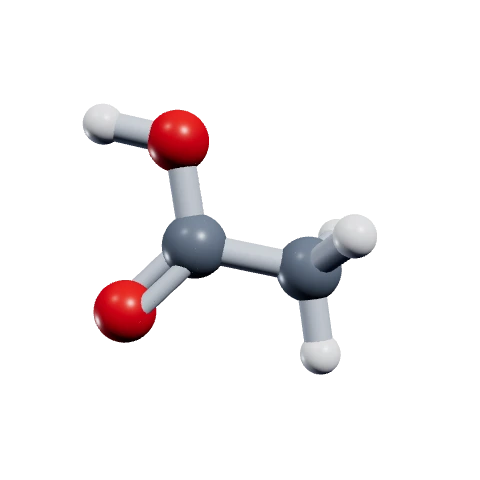
Researchers reported a sponge-like polymer that adsorbs acetic acid, a driver of vinegar syndrome in cellulose acetate film reels. The approach could reduce preservation costs if it scales.
Photo by contact me +923323219715 on Pexels
Key Facts
- Chemistry World reported that vinegar syndrome is degrading cellulose acetate film reels through acetic acid-driven autocatalysis.
- A team from the University of Florence and L'Immagine Ritrovata in Bologna developed a sponge-like material to adsorb acetic acid.
- The material was made by cryo-polymerising polyethyleneimine with 1,4-butanediol di-glycidyl ether.
- The report said even films stored in ideal conditions may develop vinegar syndrome about 70 years after they were made.
- The article said old film storage often relies on refrigeration and low humidity to slow damage.
What Happened
Chemistry World reported on a polymer sponge designed to capture acetic acid, the compound that drives the self-accelerating breakdown known as vinegar syndrome in cellulose acetate film.
The report said the work was carried out by researchers from the University of Florence and the Film Restoration Laboratory L’Immagine Ritrovata in Bologna. They made a sponge-like material by cryo-polymerising polyethyleneimine with 1,4-butanediol di-glycidyl ether.
Why It Matters
For archives and preservation teams, the practical issue is not only film loss but the cost of slowing it. The report said old reels currently need refrigeration and low humidity, and that scaling this approach could make storage far cheaper.
The chemistry also matters because vinegar syndrome is autocatalytic: once acetic acid is released, it accelerates further degradation. That makes early intervention and controlled storage conditions important for long-term asset protection.
Key Details
According to the report, cellulose nitrate was replaced by cellulose acetate in the early 20th century because nitrate was unstable and highly flammable. The long-term drawback is that cellulose acetate can deacetylate in warm, humid conditions and release acetic acid.
The article said low humidity and temperature can delay the problem, but even films stored in ideal conditions may develop vinegar syndrome roughly 70 years after manufacture.
- Target material: acetic acid
- Research collaborators: University of Florence and L’Immagine Ritrovata in Bologna
- Polymer system: polyethyleneimine with 1,4-butanediol di-glycidyl ether
- Intended use: slow or prevent autocatalysed film degradation
What To Watch Next
The key question is whether the material can be scaled into a practical preservation tool. If it can, archives may have a new option to protect cellulose acetate holdings without relying as heavily on cold storage.
For buyers and lab teams, the relevant signal is whether the sponge can be integrated into storage workflows as a durable adsorbent for acetic acid. The report did not give performance data, so follow-up work will determine how much acid it can capture and how long it remains effective.
Alliance's Take
For facilities handling aged cellulose acetate media, the report reinforces how important acetic-acid control, low humidity, and temperature management remain as preservation tools.
Any future adsorbent-based solution would be most relevant where refrigeration costs are high or storage conditions are hard to maintain consistently.
Related Products
Frequently asked questions
What problem is the polymer sponge meant to solve?
It is designed to adsorb acetic acid, which helps drive vinegar syndrome in cellulose acetate film reels.
Who developed the material?
The report said the work came from the University of Florence and the Film Restoration Laboratory L’Immagine Ritrovata in Bologna.
Why does this matter for storage operations?
If the material scales well, it could reduce reliance on refrigeration and very low humidity for aging film collections.
Sources
About the author
Andre Taki
This article is for informational purposes only.


