


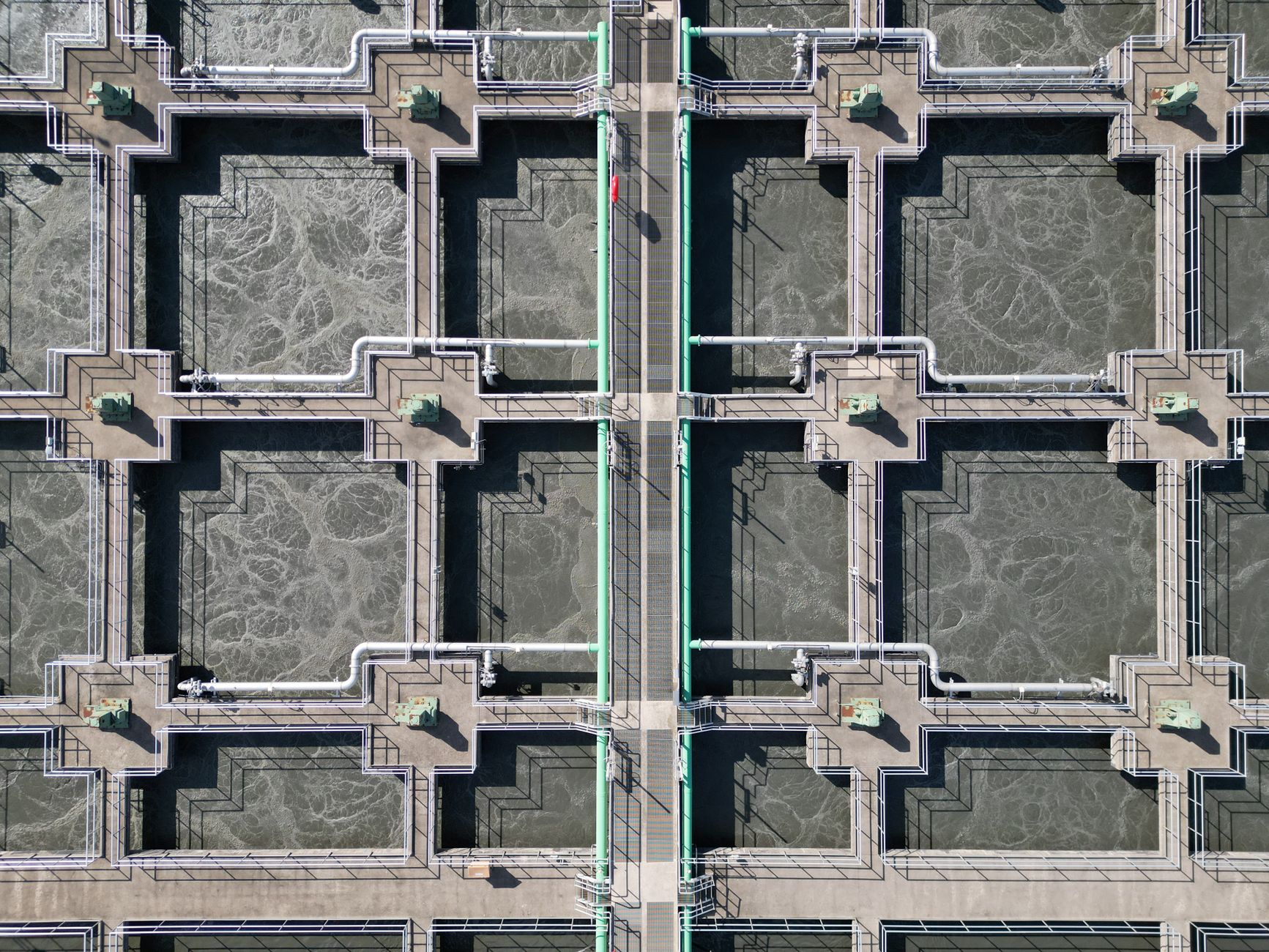
Photo by Giant Asparagus on Pexels
Scientists in the EU-backed SUPREME project are developing a PFAS-free electrolysis system to cut green hydrogen costs and reduce reliance on iridium. The work could affect ammonia, methanol, steel, and energy storage u…
Key Facts
- The EU-funded SUPREME project is aiming to develop a PFAS-free electrolysis system for green hydrogen.
- The project is led by the University of Southern Denmark with partners including Graz University of Technology (TU Graz).
- Researchers want to reduce reliance on critical raw materials such as iridium.
- The source says current PEM electrolysis systems depend on PFAS and are more expensive than fossil-based hydrogen.
- The project is planned to run over the next three years.
What Happened
ScienceDaily reported that an EU-backed project called SUPREME is working to redesign how green hydrogen is made. The effort is focused on proton exchange membrane, or PEM, electrolysis, which performs well with variable wind and solar power but remains costly and dependent on PFAS.
The project is led by the University of Southern Denmark and includes Graz University of Technology (TU Graz) and other partners across Europe. Researchers are developing a PFAS-free electrolysis system that uses much smaller amounts of critical raw materials such as iridium.
Why It Matters
For industrial users, the issue is not just climate policy. Hydrogen already matters to large-scale production of ammonia, methanol, and steel, and the report said demand is expected to keep rising.
If the project succeeds, it could make green hydrogen more attractive as a direct process input and as a storage option for surplus renewable energy. The report said the broader goal is to move green hydrogen closer to the economics of fossil-based hydrogen while removing substances the European Union plans to phase out.
Key Details
According to the source, current PEM systems face two linked problems: they rely on forever chemicals, and they are still more expensive than producing hydrogen from fossil fuels. The project is trying to address both issues at once.
TU Graz said its team is reviewing commercially available PFAS-free materials and comparing them with current industry standards. The core question is whether these alternatives can deliver the durability and efficiency needed for continuous industrial use.
- Project scope: PFAS-free electrolysis for green hydrogen
- Leadership: University of Southern Denmark
- Key partner named: TU Graz
- Focus materials: PFAS and iridium
- Timeframe: three years
What To Watch Next
For buyers and operators, the key signal will be whether the materials under review can meet industrial durability requirements without increasing system complexity or maintenance burden.
Watch for evidence that the approach can lower both compliance risk tied to PFAS and procurement pressure tied to critical raw materials, while still supporting high-volume hydrogen use in existing industrial applications.
Alliance's Take
Alliance Chemical customers should track PFAS-free electrolyzer developments as a potential compliance and sourcing shift. If the technology matures, it could reduce exposure to PFAS-related concerns in hydrogen production equipment and materials.
Industrial buyers and EHS teams should also watch whether reduced iridium use changes cost and supply assumptions for hydrogen systems tied to ammonia, methanol, steel, and energy-storage projects.
Related Products
Frequently asked questions
What problem is the SUPREME project trying to solve?
It is trying to make green hydrogen cheaper and remove PFAS from PEM electrolysis systems while reducing use of critical raw materials like iridium.
Why is PFAS important in this report?
The source says current PEM systems depend on PFAS, and the European Union plans to phase out these substances because of environmental and health risks.
Which industrial uses could be affected if the project succeeds?
The source points to ammonia production, methanol production, steel, and storing surplus renewable energy.
Sources
Related Chemical Collections
About the author
Andre Taki
This article is for informational purposes only.