


EPA Finalizes NESHAP Amendments for Plywood and Composite Wood Products
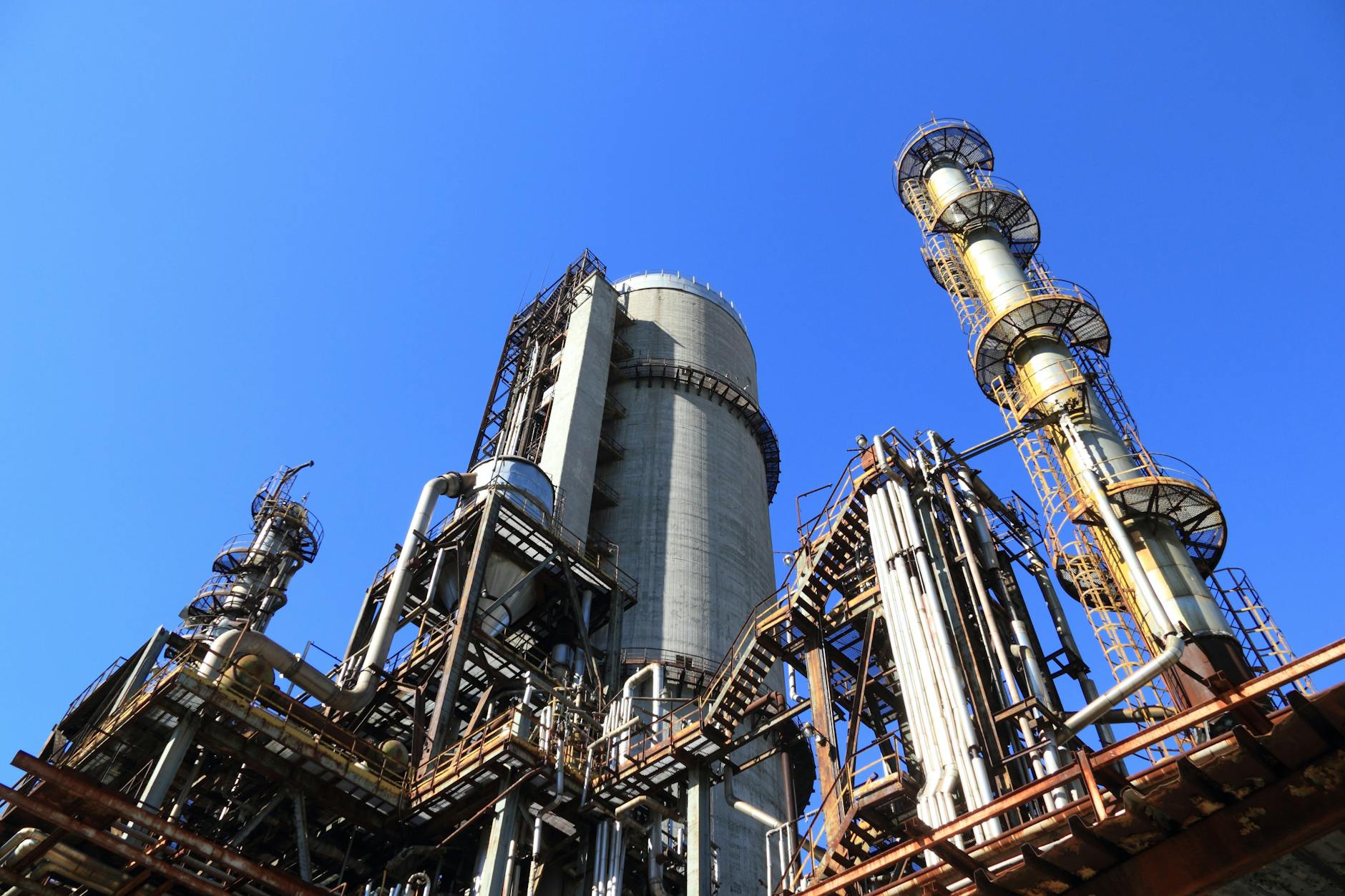
The EPA is finalizing amended NESHAP MACT standards for plywood and composite wood products, covering HAP emissions and work practices for the source category.
Key Facts
- The EPA is finalizing amendments to the NESHAP for the Plywood and Composite Wood Products (PCWP) source category.
- The action finalizes MACT standards in the form of emission limitations and work practices, as appropriate.
- The standards address total hazardous air pollutants (HAP).
- The source summary specifically names acetaldehyde, acrolein, formaldehyde, methanol, and phenol among the HAP covered.
- The source is a Federal Register regulatory action published on July 5, 2026, with a page published date of 2026-07-06.
What Happened
The U.S. Environmental Protection Agency is finalizing amendments to the national emissions standards for hazardous air pollutants for the Plywood and Composite Wood Products source category.
The action finalizes maximum achievable control technology standards using emission limitations and work practices, as appropriate, for total hazardous air pollutants.
Why It Matters
For plywood and composite wood operations, the final standards can affect emissions controls, operating practices, and compliance planning tied to HAP management.
Buyers, EHS teams, and plant operators should treat the rule as a potential driver for control equipment review, process documentation updates, and source-category-specific compliance checks.
Key Details
The source summary identifies several HAP in scope, including acetaldehyde, acrolein, formaldehyde, methanol, and phenol.
- Regulatory action: final amendments to NESHAP for PCWP.
- Standard type: MACT standards.
- Control approach: emission limitations and work practices, as appropriate.
- Scope: total hazardous air pollutants for the PCWP source category.
The Federal Register page notes that the document is available in PDF form for the official electronic version.
What To Watch Next
Facilities in the plywood and composite wood products chain should review the final rule text against current emissions controls, monitoring routines, and work practices.
Procurement and maintenance teams may need to assess whether any control-system or compliance-related purchases are required to align with the final amended standards.
Alliance's Take
Customers in plywood and composite wood products should compare current emission controls and operating practices against the final NESHAP amendments before the next compliance cycle.
If the rule drives equipment, monitoring, or documentation changes, procurement and EHS teams should coordinate early to avoid last-minute disruptions.
Related Products
Frequently Asked Questions
What did EPA finalize in this action?
EPA finalized amendments to the NESHAP for the Plywood and Composite Wood Products source category.
What pollutants are referenced in the source summary?
The source summary names total hazardous air pollutants, including acetaldehyde, acrolein, formaldehyde, methanol, and phenol.
Why should operators pay attention?
The final MACT standards may affect emission limits, work practices, and compliance planning for plywood and composite wood operations.


