


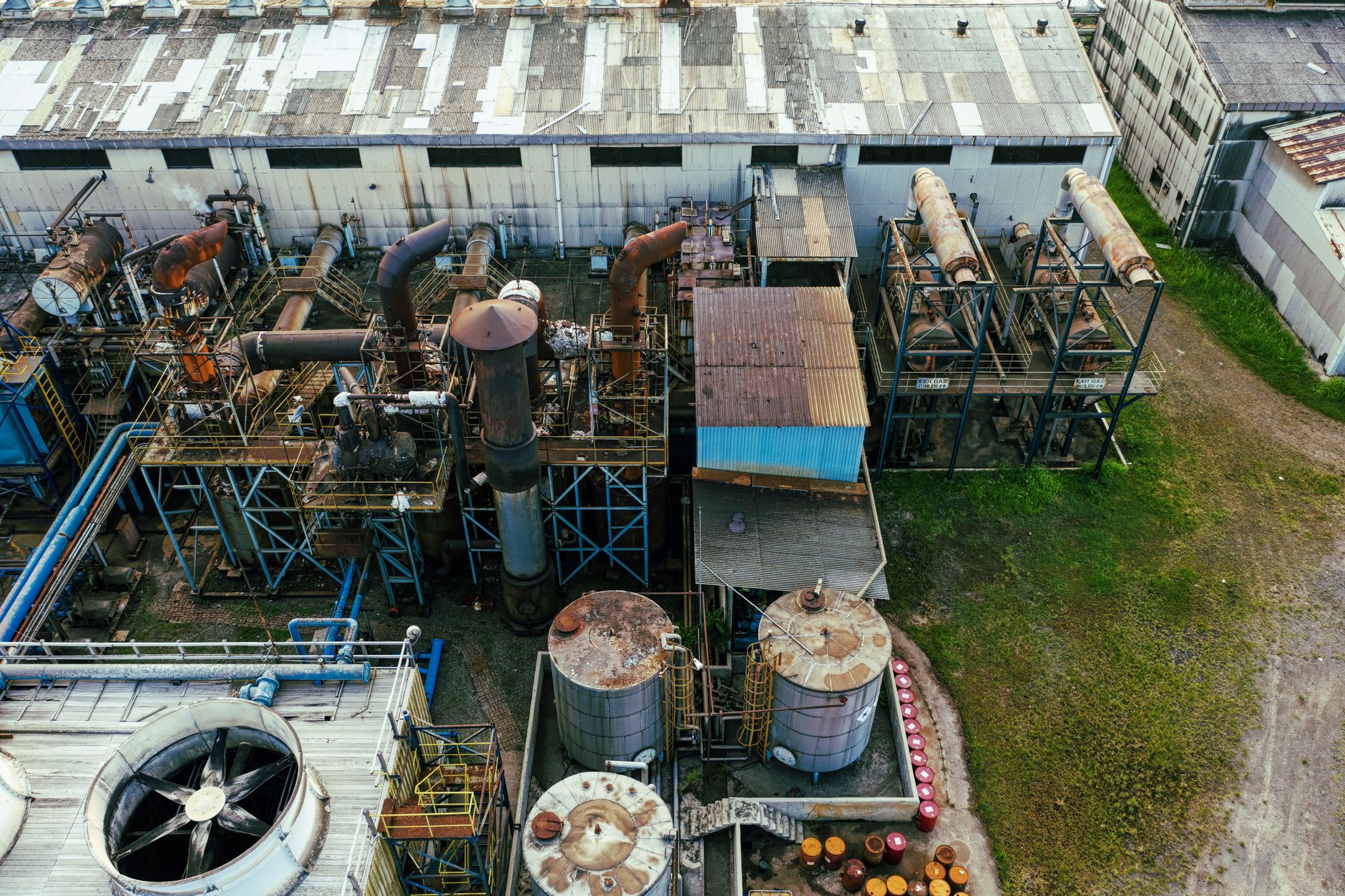
EPA is increasing inspections under the Clean Air Act’s Risk Management Program, pushing facilities to align process safety, EPCRA, and emergency-response records before inspectors arrive.
Key Facts
- The report said EPA is expanding inspections under the Clean Air Act’s Risk Management Program and EPCRA.
- Facilities covered by the RMP are receiving advance notice inspections with short-deadline requests for records and documentation before inspectors arrive on site.
- The article said RMP inspections often overlap with OSHA Process Safety Management compliance because many program elements are shared.
- The source linked increased scrutiny to recent incidents, including a May 2026 chemical storage tank event in Garden Grove, California.
- It also cited a chemical tank rupture at a paper mill in Longview, Washington that triggered federal and state investigations.
What Happened
The report said EPA is increasing scrutiny of chemical facilities through inspections under the Clean Air Act’s Risk Management Program and EPCRA. Across EPA regions, facilities covered by the RMP are reportedly seeing advance notice inspections paired with short-deadline requests for records before inspectors arrive.
The article said this reflects a more active enforcement posture and a need for facilities to stay inspection-ready across safety and compliance functions.
Why It Matters
For plant operators and EHS teams, the message is that process safety files, emergency planning records, and community response documentation are increasingly connected. The source said EPA’s RMP inspections inherently touch OSHA Process Safety Management work because many program elements overlap.
That overlap matters commercially and operationally because gaps in documentation can slow audits, complicate corrective actions, and create avoidable compliance exposure for facilities handling hazardous chemicals.
Key Details
The report said some organizations place both RMP and PSM responsibilities with the same individual or team. It also said both frameworks aim to prevent and minimize the risk of accidental releases, even though PSM focuses on worker protection while RMP focuses on community impacts.
- RMP inspections may arrive with advance notice but still require rapid document response.
- EPA expects facilities to bridge process safety records with emergency response documentation.
- Coordination between EHS, operations, and compliance teams is central to inspection readiness.
The source tied the heightened attention to broader public concern after recent industrial incidents. It cited a May 2026 chemical storage tank incident in Garden Grove, California, and a chemical tank rupture at a paper mill in Longview, Washington.
What To Watch Next
Facilities covered by RMP should expect continued document requests and closer review of how safety programs are maintained, linked, and updated. The report suggested that mechanical integrity, process safety information, and emergency preparedness will remain high-priority review areas.
For chemical buyers, lab managers, EHS leads, and industrial operators, the practical takeaway is to confirm that compliance records are current, accessible, and consistent across teams before an inspection notice arrives.
Alliance's Take
Facilities handling hazardous chemicals should treat RMP and PSM records as one coordinated compliance set, not separate files. That makes it easier to respond quickly to EPA requests and reduces the risk of documentation gaps.
For procurement and operations teams, the near-term priority is readiness: verify process safety information, emergency response documentation, and maintenance records are current and easy to retrieve.
Related Products
Frequently asked questions
What is EPA focusing on in these inspections?
The report said EPA is expanding inspections under the Clean Air Act’s Risk Management Program and EPCRA, with attention to process safety and emergency response documentation.
Why do RMP inspections affect OSHA PSM work?
The source said many RMP and PSM program elements overlap, so the same records and controls can be reviewed under both frameworks.
What should facilities prepare first?
The article points to inspection-ready records, including process safety information, emergency response documentation, and maintenance-related compliance files.
Sources
Related Chemical Collections
About the author
Andre Taki
This article is for informational purposes only.