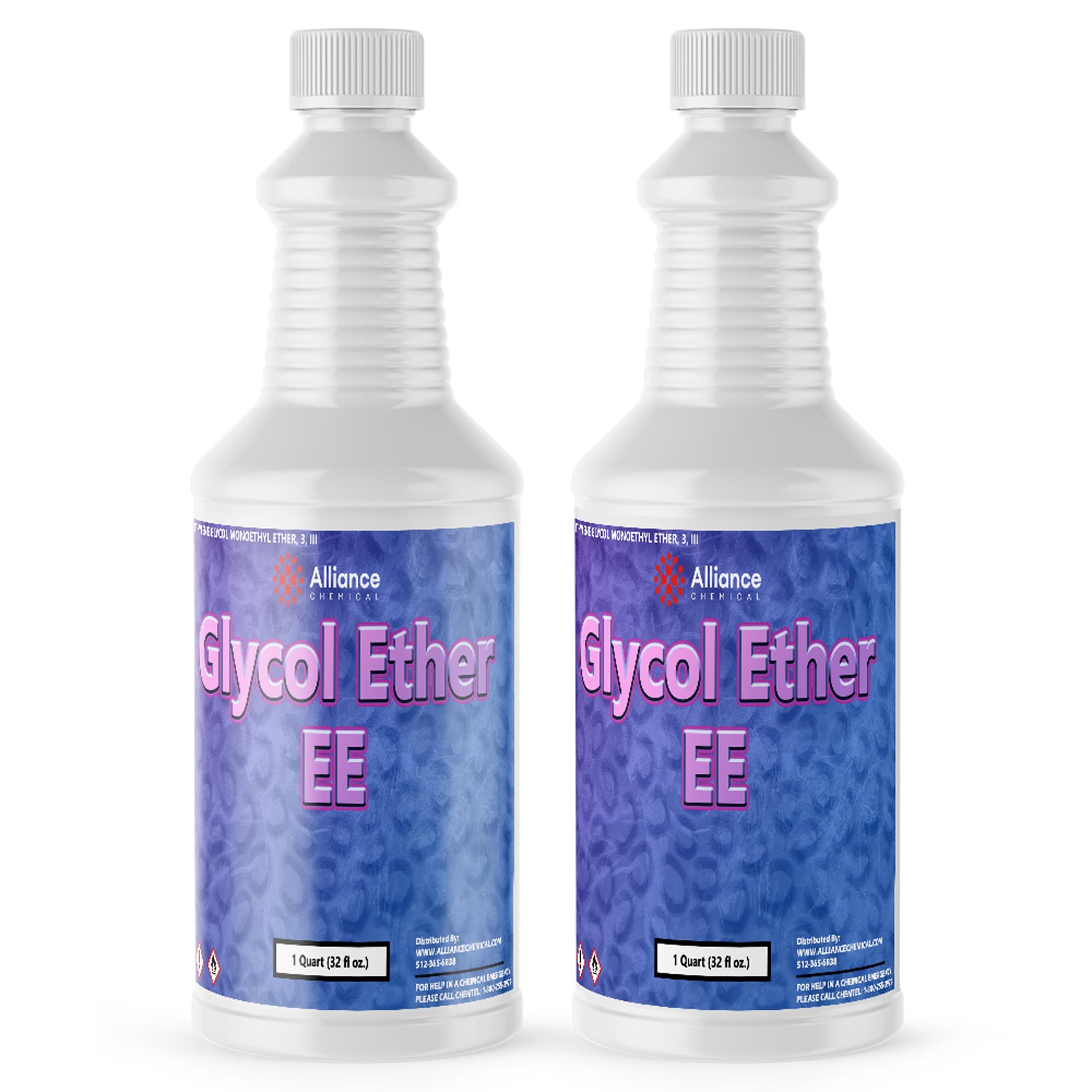
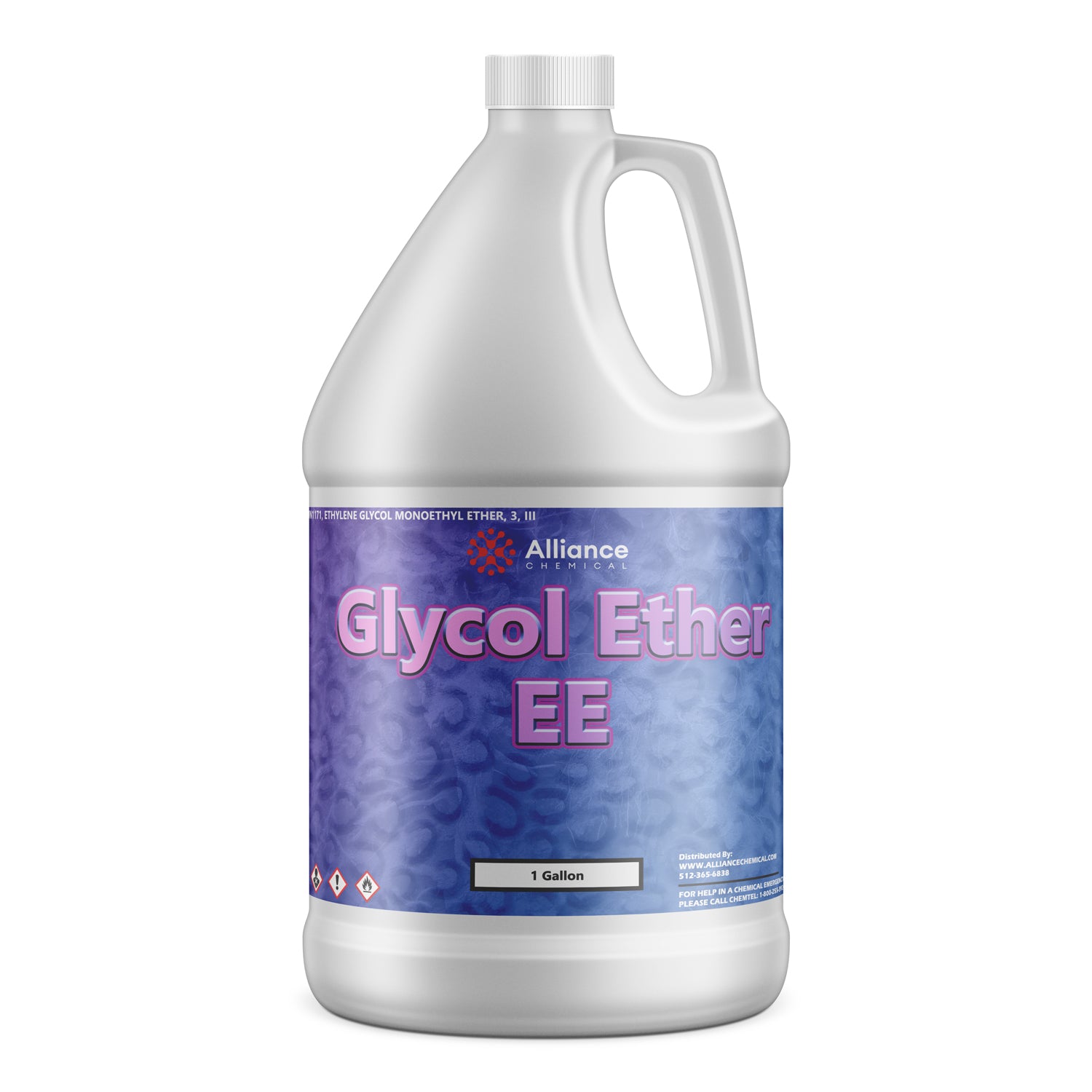
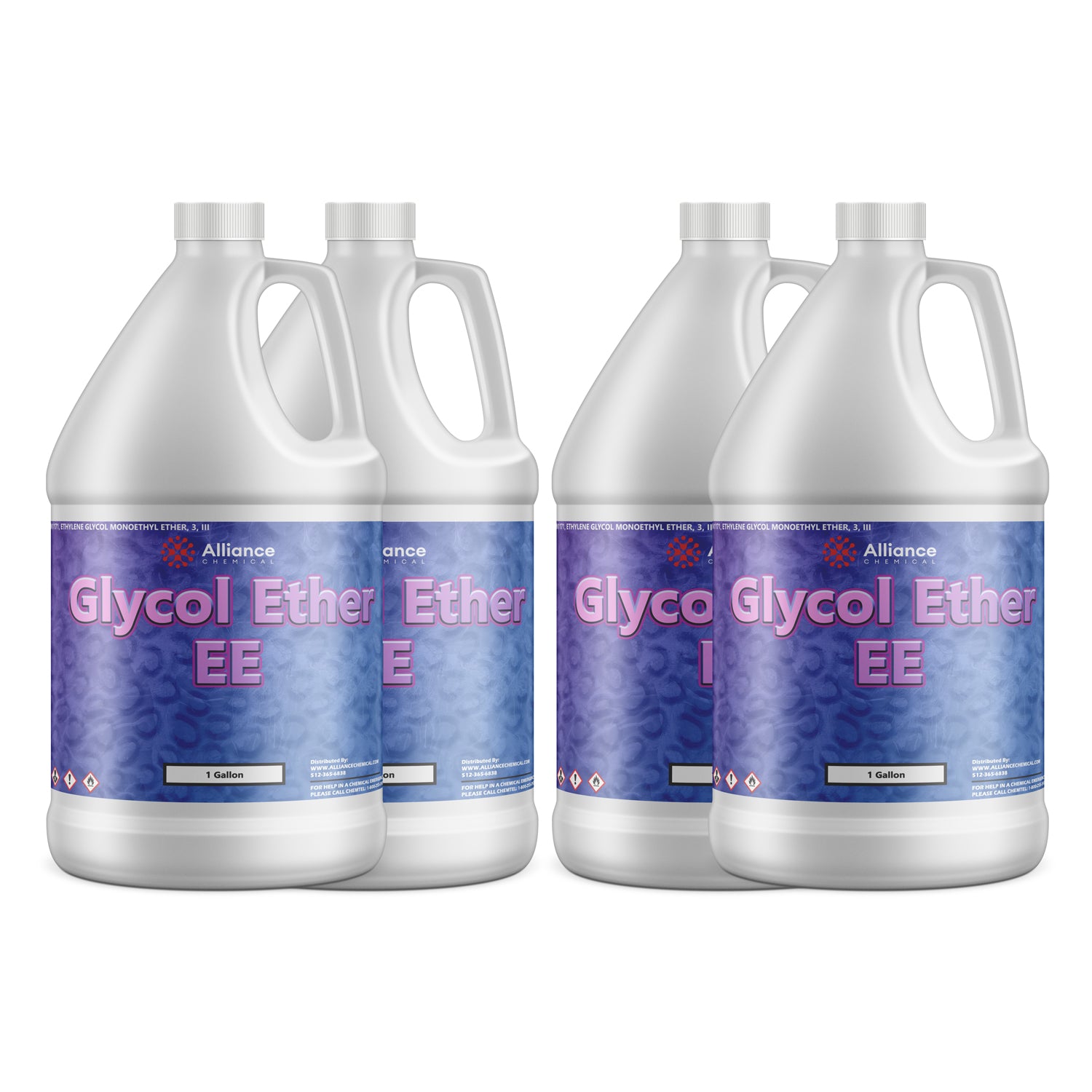
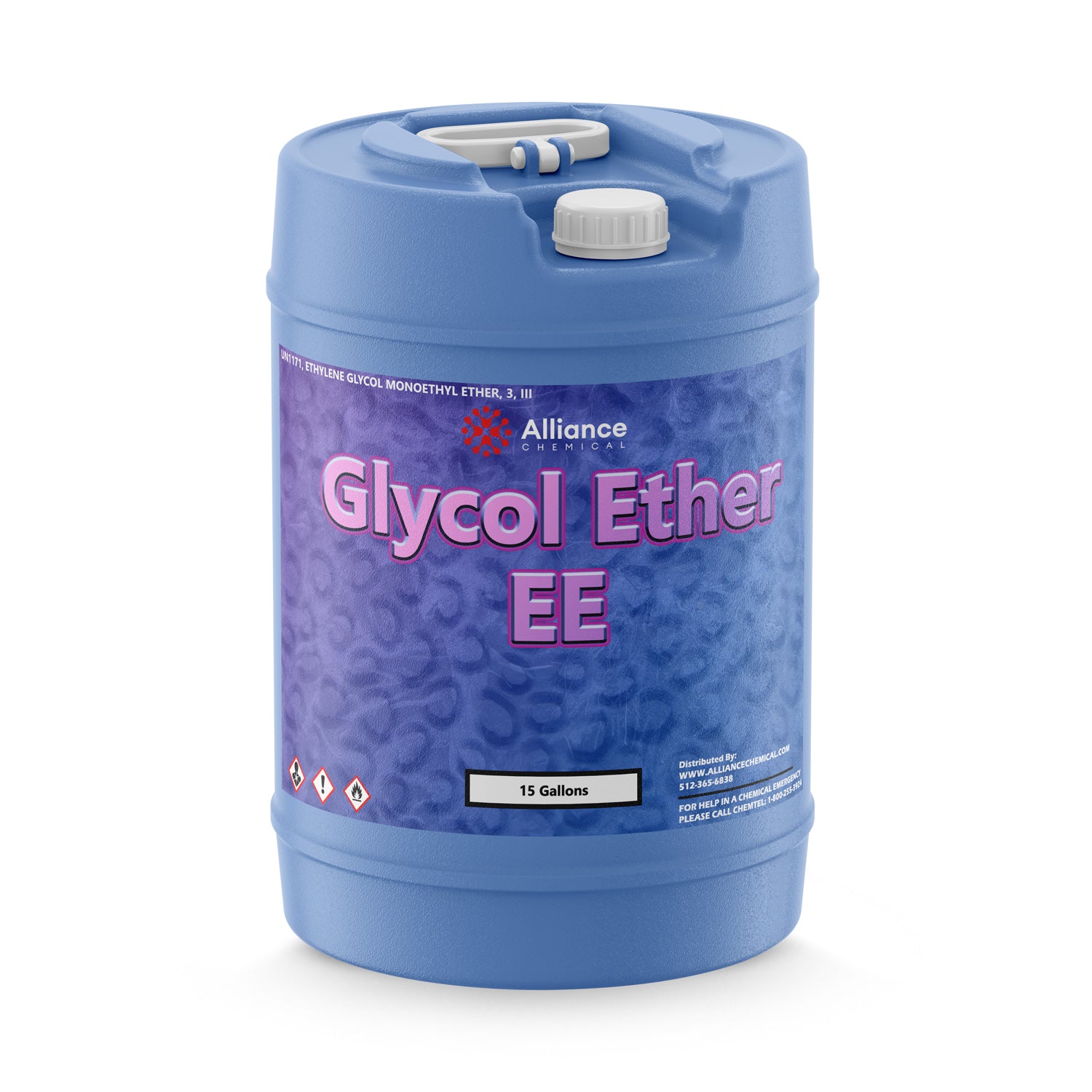
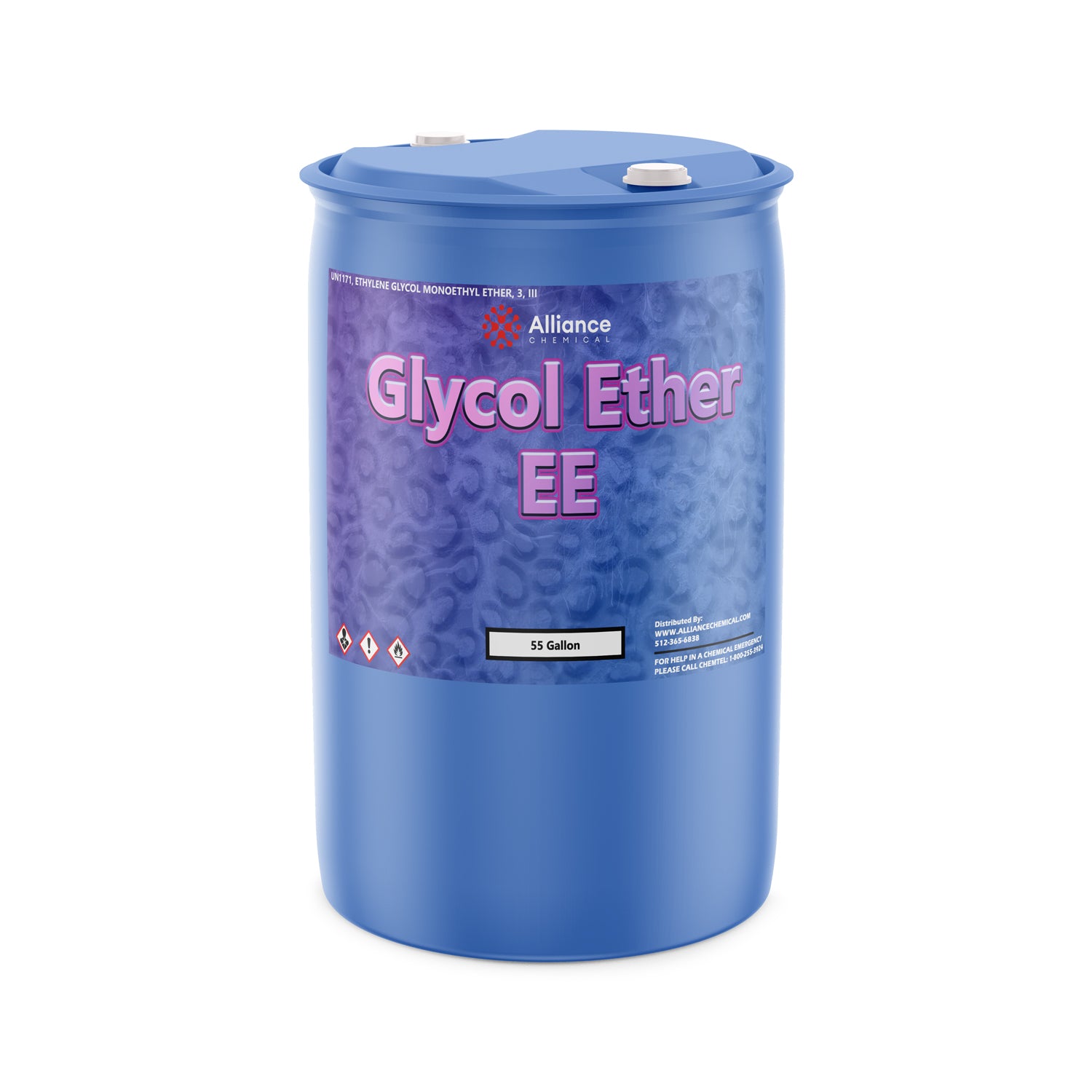
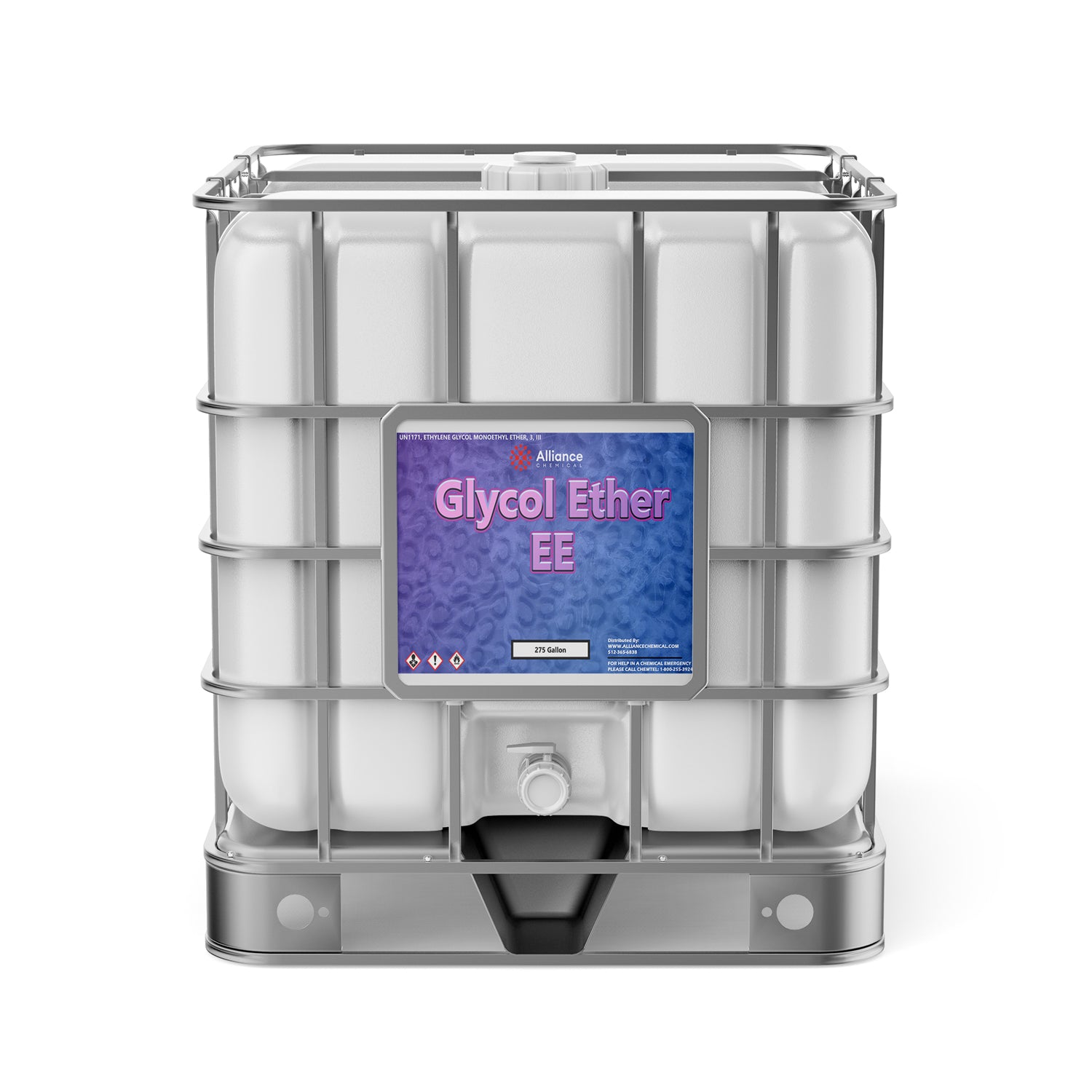
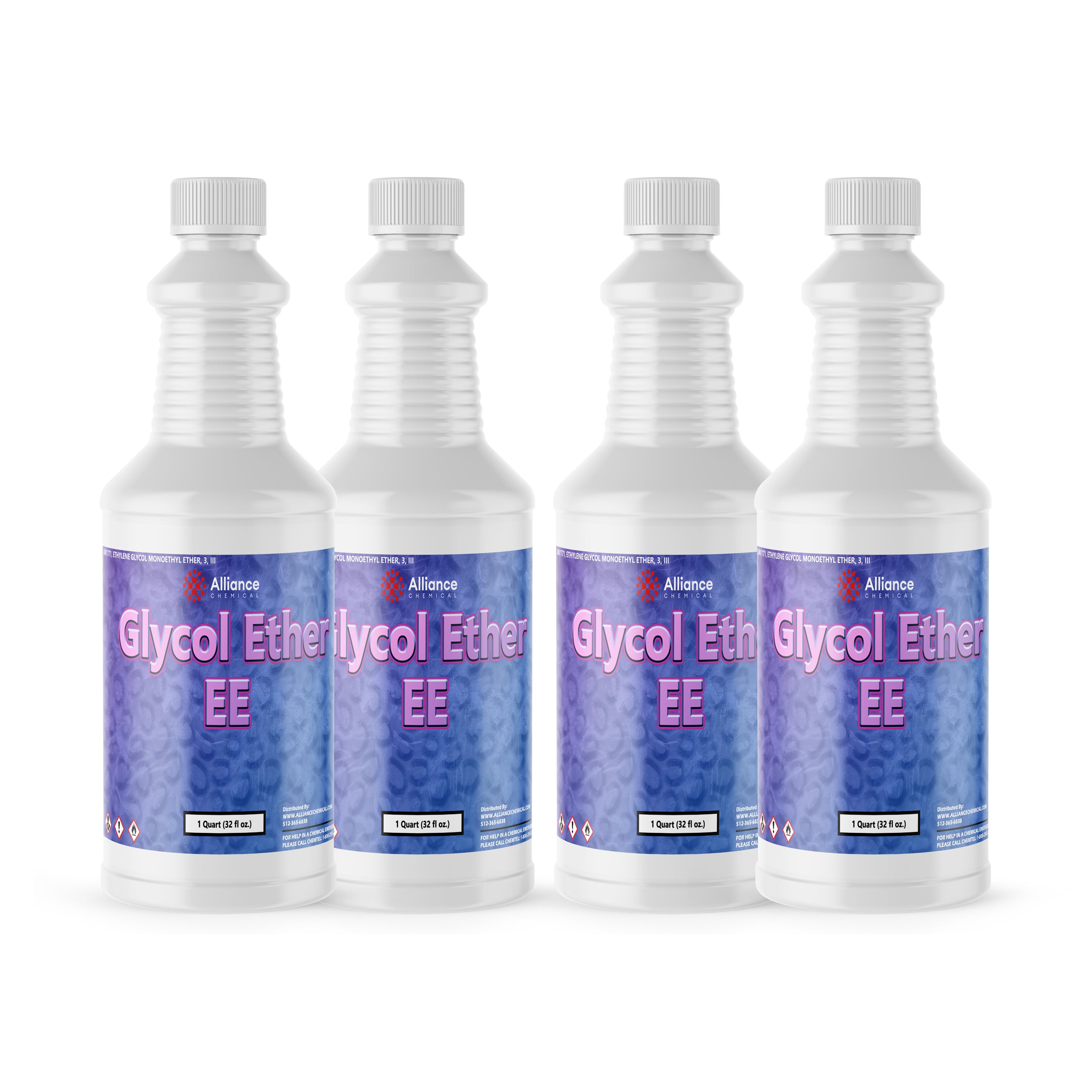
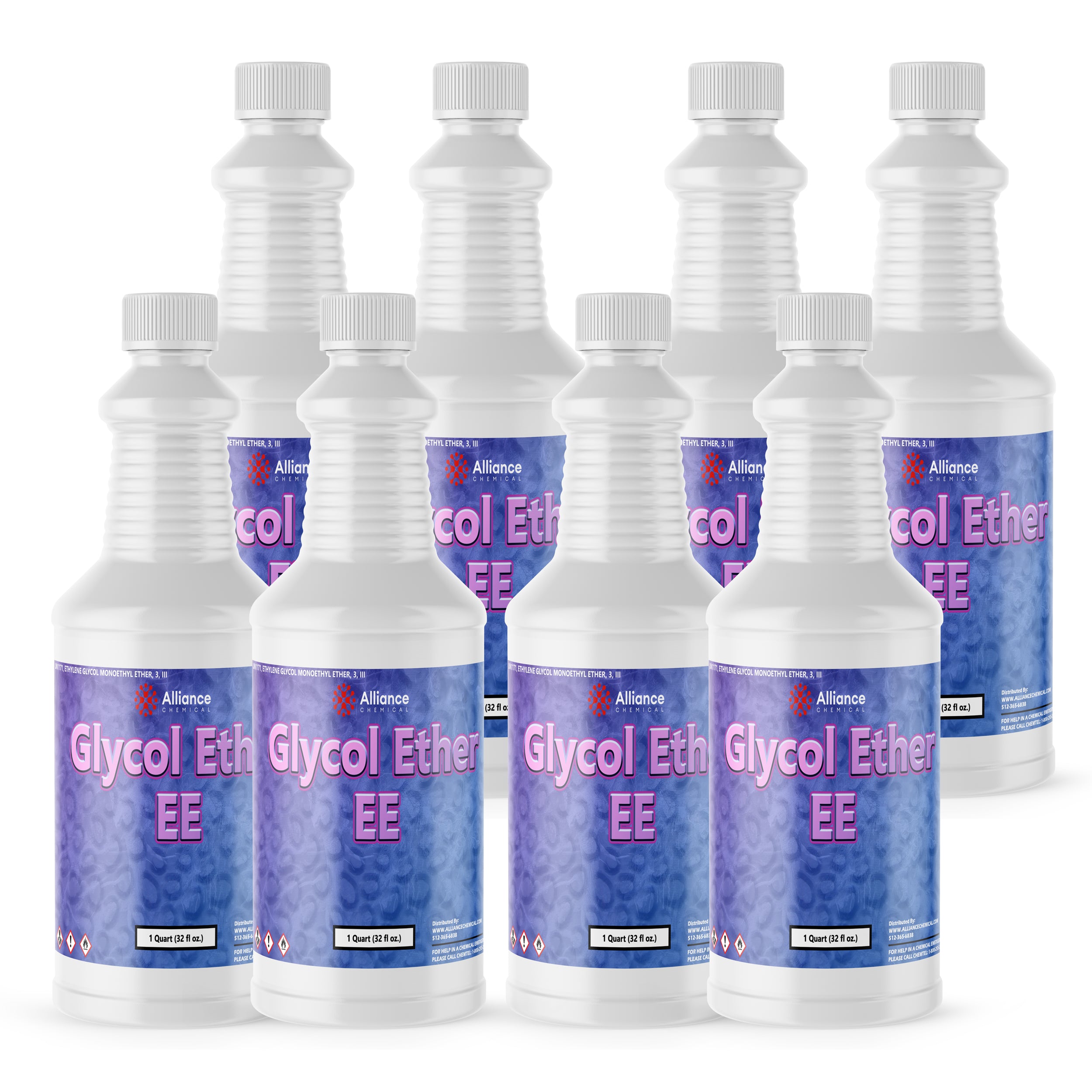
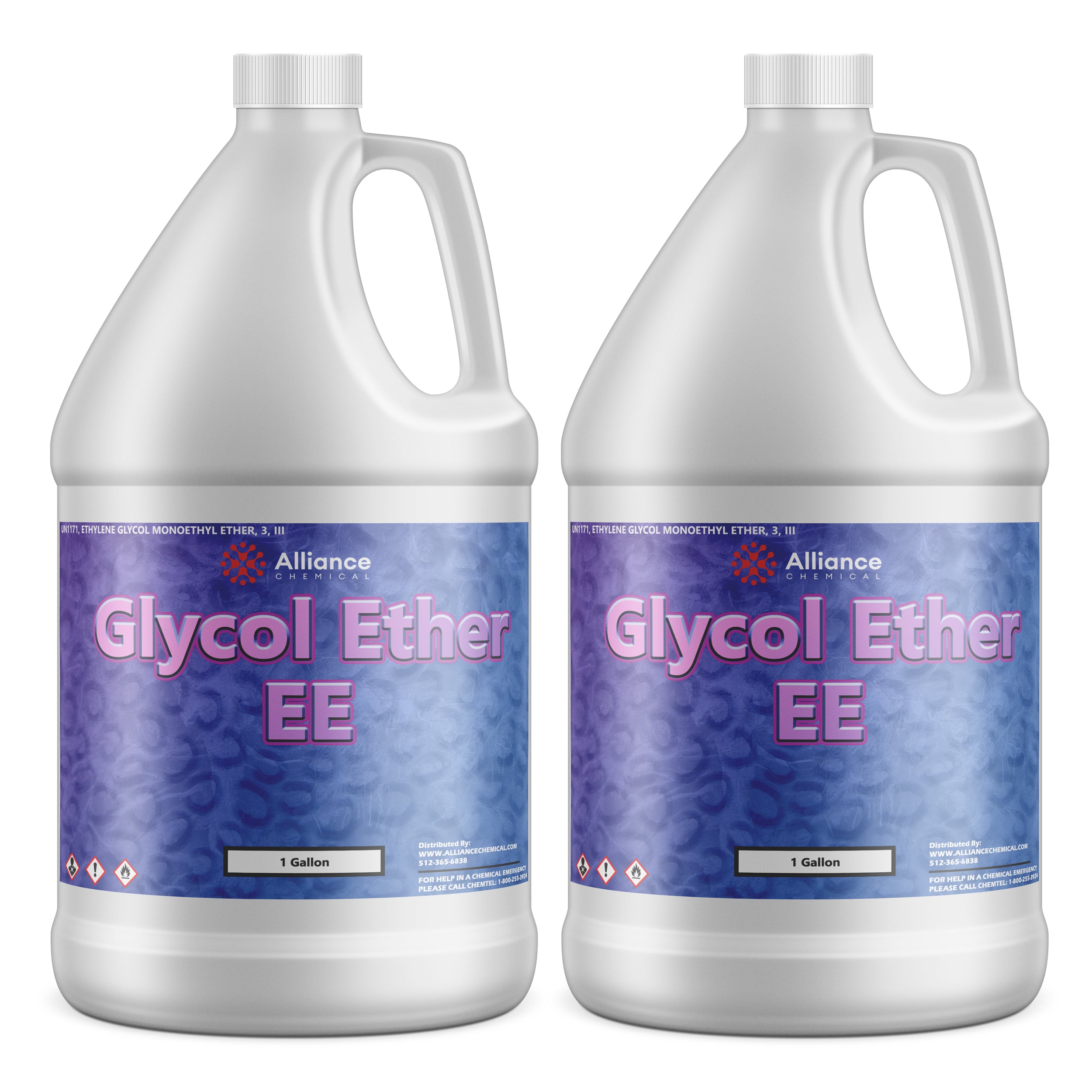
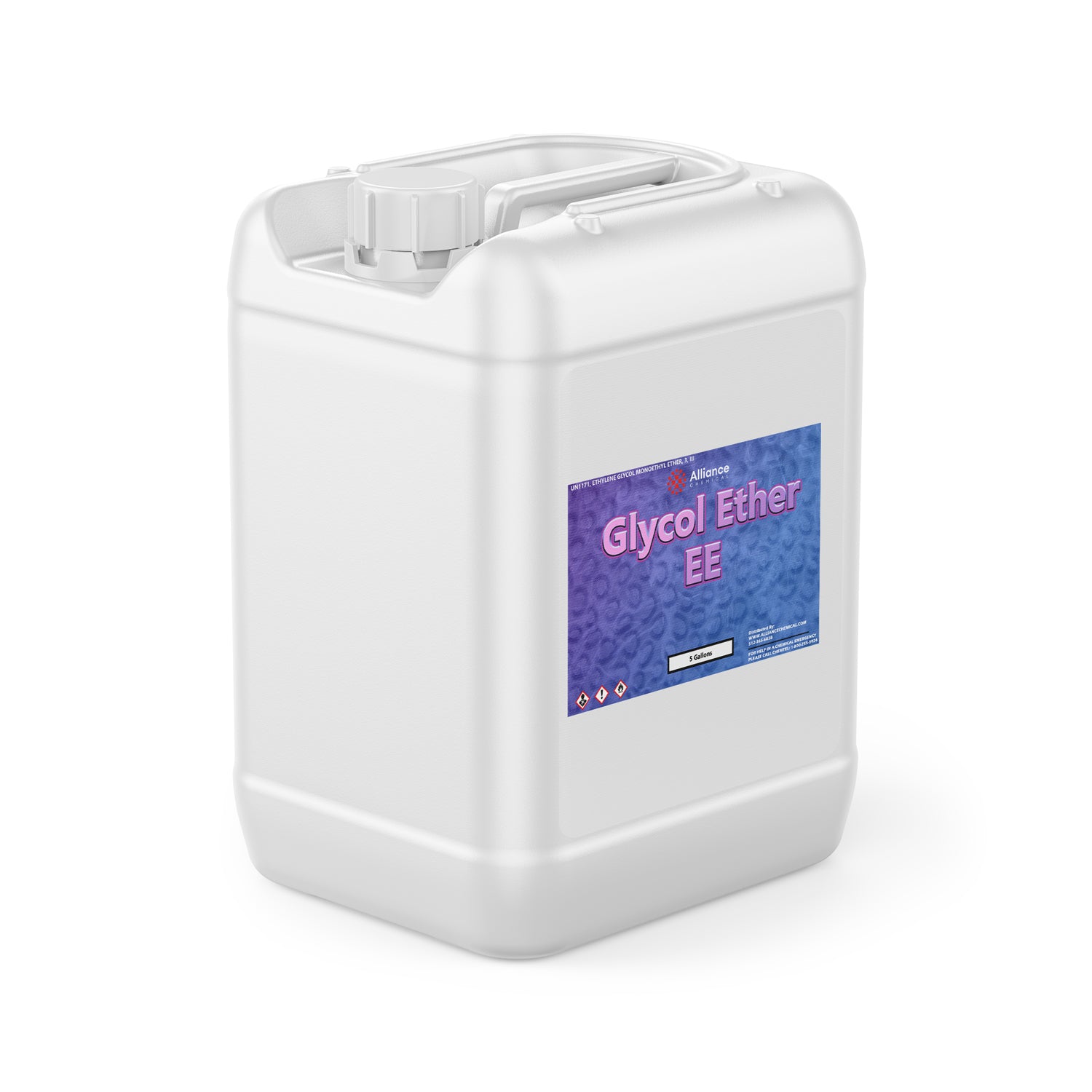
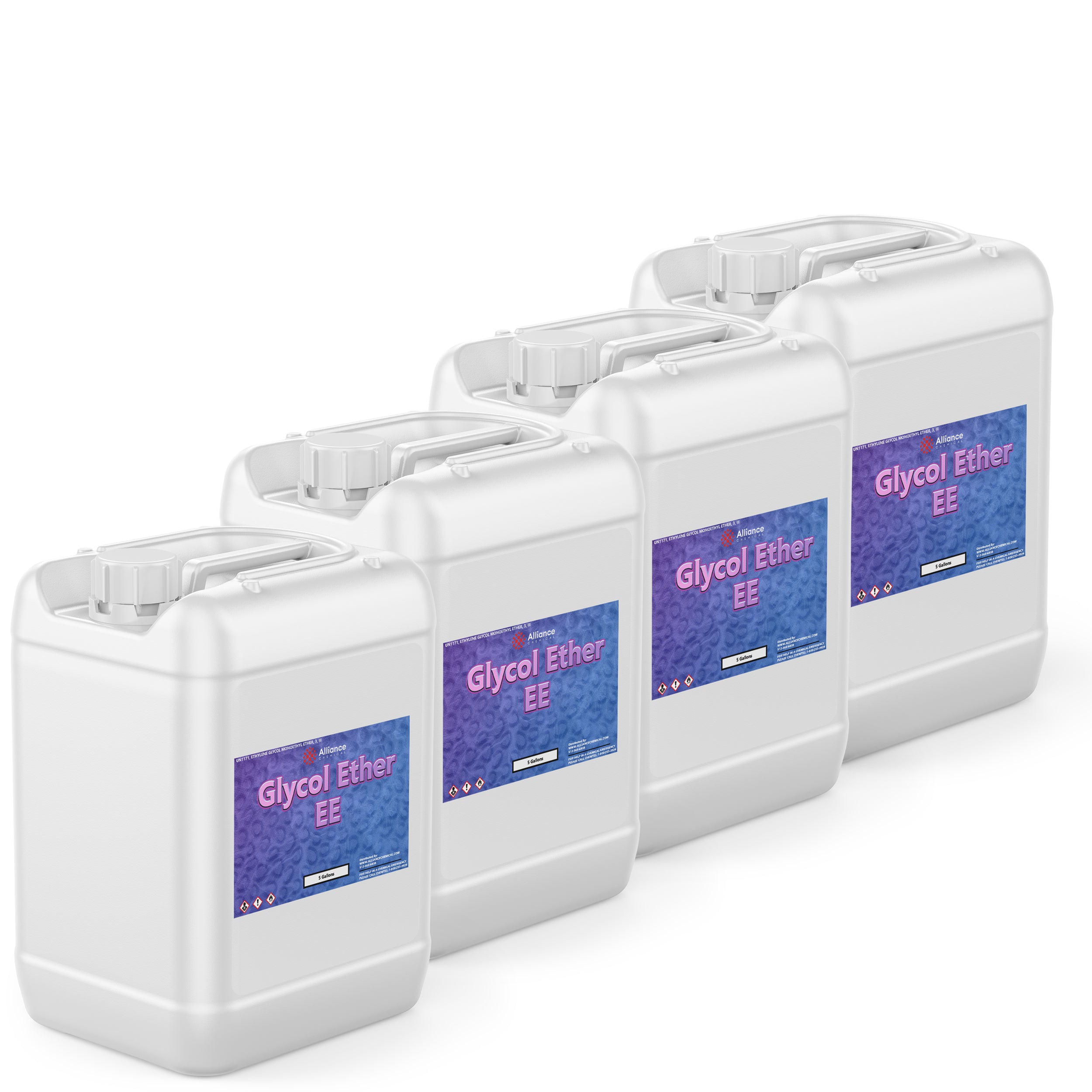
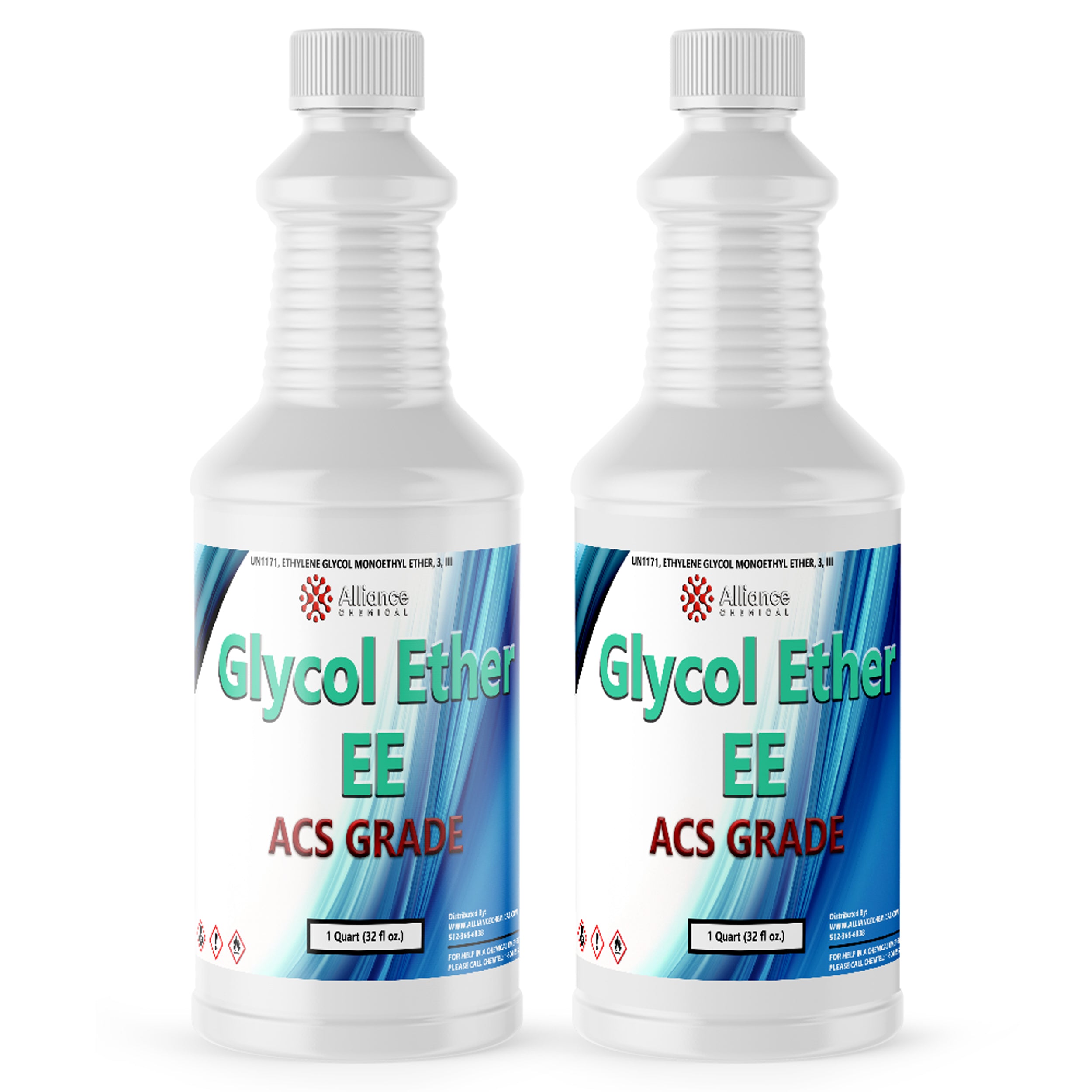
Why Glycol Ether EE
Glycol Ether EE Laboratory Grade (identified by CAS: 110-80-5) is specified for research and chemical manufacturing environments requiring a rigorously tested, clear, and colorless mobile liquid solvent. The specific molecular structure of this compound, defined by the formula C4H10O2, establishes high water solubility while remaining completely miscible with a broad spectrum of organic materials. This dual solubility profile allows the solvent to act as an effective coupling agent, bridging the gap between incompatible aqueous and organic phases during complex analytical workflows. With an established flash point of 41°C, this laboratory-grade liquid ensures predictable evaporation rates, steady flow dynamics, and reliable thermal behavior in controlled bench-top environments. Because it is an ethylene-based derivative, this chemical maintains a toxicological profile requiring strict operational protocols in professional chemical manufacturing and industrial settings.
Best Applications for This Grade
- Commonly applied in rigorous analytical laboratory testing, where its clear, colorless physical state and exact C4H10O2 composition prevent baseline optical interference during advanced spectroscopic evaluation.
- Utilized as a primary coupling agent in chemical manufacturing research, directly leveraging its dual miscibility to blend typically resistant aqueous solutions and organic compounds into stable, homogenous mixtures without phase separation.
- Employed during bench-scale chemical synthesis and organic extraction processes that demand a mobile liquid possessing strong solvency power alongside a stable, documented flash point of 41°C.
- Applied throughout industrial product development protocols where chemists require a strict laboratory-grade standard to accurately benchmark the performance of newly formulated coatings, synthetic resins, and specialized chemical blends prior to scaling up production.
When to Choose a Different Grade
- If requiring a heat transfer fluid formulated specifically for closed-loop HVAC systems or industrial freeze protection, this laboratory solvent is not appropriate. Instead, select 100% Ethylene Glycol Inhibited to ensure proper internal system corrosion protection and an optimal freeze point depression curve.
- If sourcing a solvent strictly for heavy-duty industrial degreasing, commercial paint stripping, or mass manufacturing rather than precision laboratory research, a standard technical grade alternative provides a more appropriate economic profile for bulk operational scale-up.
- If your facility requires a pre-diluted heat transfer solution to maintain target operating temperatures in a local climate, you must evaluate the concentration ladder and select a pre-mixed, inhibited technical grade fluid rather than a pure laboratory solvent.
| Molecular Weight |
118.17 |
| Formula |
C4H10O2 |
| Assay |
99-100.5% |
| Grade |
Technical |
| Flash Point |
41°C (105.8°F) |
| Form |
Liquid |
| Solubility |
Miscible in water and organic solvents |
| Appearance |
Clear, colorless liquid |
| Melting Point |
-60 |
| Boiling Point |
170 |
| Specific Gravity |
0.905 |
| Industry |
Analytical Chemistry, Industrial, Manufacturing, Printing, Chemical Manufacturing |