
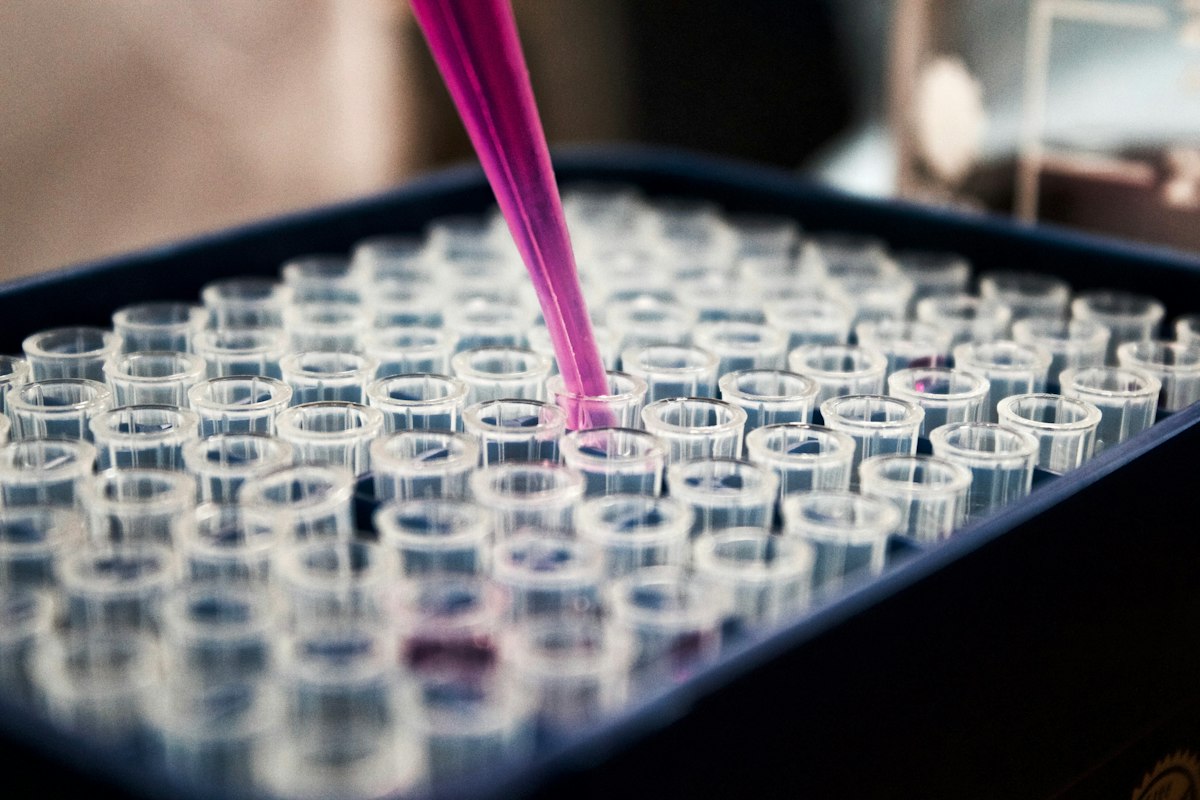
Chemical laboratory

Hydrochloric Acid

Industrial-Grade Acid for Metal Cleaning & pH Control

  • CAS Mixture
  • Formula HCl (37% w/w in H₂O)
  • Flash Pt N/A °C
  • Density 1.18 g/cm³ (37% solution)

Physical & Chemical Properties

Property Value Unit
Boiling point ~48°C (37% solution) °C
Flash point N/A °C
Density 1.18 g/cm³ (37% solution) g/cm³
Solubility Miscible with water -
Ph < 1 (37% solution) -
Molecular weight 36.46 g/mol (HCl) g/mol
Melting point -25°C (37% solution) °C
Vapor pressure 160 mmHg at 20°C (37% solution) mmHg
Autoignition temp N/A -
Appearance Clear, colorless to slightly yellow liquid -
Odor Pungent, irritating -
Vapor density 1.26 (air = 1) (HCl) g/cm³

Overview

Hydrochloric Acid (HCl) is a highly corrosive, strong mineral acid supplied as a 37% aqueous solution. This clear, colorless to slightly yellow liquid with a pungent, irritating odor is one of the most widely used industrial chemicals, essential for metal processing, water treatment, and chemical manufacturing operations. With a pH below 1 and complete miscibility in water, hydrochloric acid provides reliable acidic conditions for numerous industrial applications.

Key Applications

Our hydrochloric acid serves critical functions across multiple industries:

  • Metal Cleaning and Pickling: Removes rust, scale, and oxide layers from steel and other metals before galvanizing, plating, or coating processes
  • Water Treatment: Adjusts pH levels in municipal and industrial water systems, neutralizes alkaline waste streams
  • Chemical Synthesis: Acts as a reactant and catalyst in producing chlorides, fertilizers, and various organic compounds
  • Ion Exchange Resin Regeneration: Restores capacity of cation exchange resins in water softening and purification systems

Safety & Handling

Hydrochloric acid requires careful handling due to its highly corrosive nature. The solution is non-flammable with no flash point or autoignition temperature. Always wear appropriate personal protective equipment including acid-resistant gloves, safety goggles, and protective clothing. Ensure adequate ventilation when handling, as HCl vapors can cause severe respiratory irritation. Work in well-ventilated areas or under fume hoods to prevent vapor accumulation. Never add water directly to concentrated acid; always add acid to water slowly to prevent violent reactions.

Storage & Shelf Life

Store hydrochloric acid in corrosion-resistant containers such as polyethylene, PVC, or glass in a cool, dry, well-ventilated area away from incompatible materials. Keep containers tightly sealed and protect from temperature extremes. The freezing point of 37% solution is -25°C, so protect from freezing in cold climates. Avoid contact with metals, bases, oxidizing agents, and organic materials. When properly stored, hydrochloric acid maintains its quality indefinitely.

Why Alliance Chemical

Alliance Chemical delivers reliable hydrochloric acid solutions with same-day shipping from our Taylor, Texas facility. We offer flexible shipping options including UPS for smaller quantities and LTL/FTL freight for bulk orders. Every shipment includes comprehensive Safety Data Sheets (SDS) and Certificates of Analysis (COA) to ensure compliance and quality assurance. Trust our technical expertise and logistics capabilities for your Hydrochloric Acid Hcl requirements.

Shipping & Availability

Parcel Shipping

UPS Ground supports pints, quarts, and most 1-gallon packages nationwide.

LTL Freight

5-gallon pails, drums, and totes move via LTL carriers such as ABF Freight, SEFL, Saia, and XPO.

Full Truckload

FTL available for palletized bulk orders. Competitive freight rates.

Local Pickup

Will-call pickup available at our Taylor, TX warehouse for Texas customers.

SDS, COA, and TDS available for every product • Most orders ship in 1-2 business days from Taylor, TX

Buy Hydrochloric Acid by State

Select your state for local shipping times, industry applications, and ordering details.

Frequently Asked Questions

What is hydrochloric acid (HCl) and what is it used for?
Hydrochloric acid (HCl, CAS 7647-01-0) is a strong inorganic acid commonly supplied at 37% w/w. It is used as a laboratory reagent and in industrial processes such as metal pickling, pH control, neutralization, chloride salt production and chemical synthesis.
How should 37% hydrochloric acid be stored and what is its shelf life?
Store 37% HCl in tightly closed, corrosion-resistant containers (HDPE, PTFE-lined or glass) in a cool, well‑ventilated area away from bases and oxidizers; avoid storage near reactive metals. When kept sealed and properly stored it is chemically stable for years, though containers may off‑gas and concentration can slowly change, so periodic checks and use of a current COA are recommended.
What are the key safety and handling precautions for hydrochloric acid?
Handle HCl in a fume hood using acid‑resistant PPE (face shield, goggles, acid gloves, apron) and provide eyewash and safety shower nearby; avoid breathing fumes. In case of contact, flush affected area with copious water and seek medical attention; follow the product SDS for full emergency and first‑aid instructions.
How does 37% concentrated hydrochloric acid differ from dilute solutions?
Concentrated 37% HCl is fuming, highly corrosive and roughly 12 M in strength, whereas dilute solutions have lower acidity, reduced fuming and are less corrosive to some materials. Material compatibility, handling precautions and transport classification remain important for both, but concentrated acid requires stricter controls.
What documentation is available when I buy hydrochloric acid?
Suppliers typically provide a Safety Data Sheet (SDS), Certificate of Analysis (COA) showing assay, density and impurity limits, and a technical data sheet (TDS) on request. Request these documents before purchase to confirm concentration, trace metal limits and handling instructions.
How is hydrochloric acid shipped and what packaging is used?
HCl is regulated as a corrosive hazardous material (UN1789, Class 8) and must be packaged and labeled per IMDG, IATA and local DOT/ADR rules; common packaging includes HDPE drums, polyethylene bottles, lined steel drums and IBCs. Transport requires appropriate documentation, placarding and trained carriers for hazardous goods.
What materials are compatible or incompatible with hydrochloric acid?
HCl corrodes carbon steel and many stainless steels and reacts with active metals; avoid unprotected metal piping and fittings. Compatible materials include PTFE, PVDF, HDPE, glass and certain fluoropolymers, while strong oxidizers, strong bases and cyanides are chemically incompatible.
What are the main technical specifications for 37% hydrochloric acid?
Typical specs for concentrated hydrochloric acid: CAS 7647-01-0, formula HCl, approx. 37% w/w (commercial reagent grade), density ≈1.18 g/mL at 20°C and molarity ≈12 M; product is classified as UN1789, corrosive (Class 8). Specific impurity limits and exact gravity are provided on the COA.
Which industries commonly use hydrochloric acid and for what applications?
Industries include metal processing (pickling and descaling), chemical manufacturing (synthesis and chloride production), water treatment (pH control), oil and gas (well acidizing), and laboratories (reagent and titrations). Its versatility for neutralization and chloride ion supply makes it widely used across industrial sectors.
How can I purchase 37% hydrochloric acid and what should I expect regarding availability?
37% HCl is widely available from chemical distributors in various pack sizes (bottles, drums, IBCs); most suppliers require a business account and provide SDS/COA on request. Expect standard lead times for stock quantities, and note that large orders may trigger additional shipping, storage or regulatory requirements.

Documentation & Downloads

Ready to Purchase?

SDS & COA included • 1-2 day shipping • No minimum order

Shop Hydrochloric Acid