
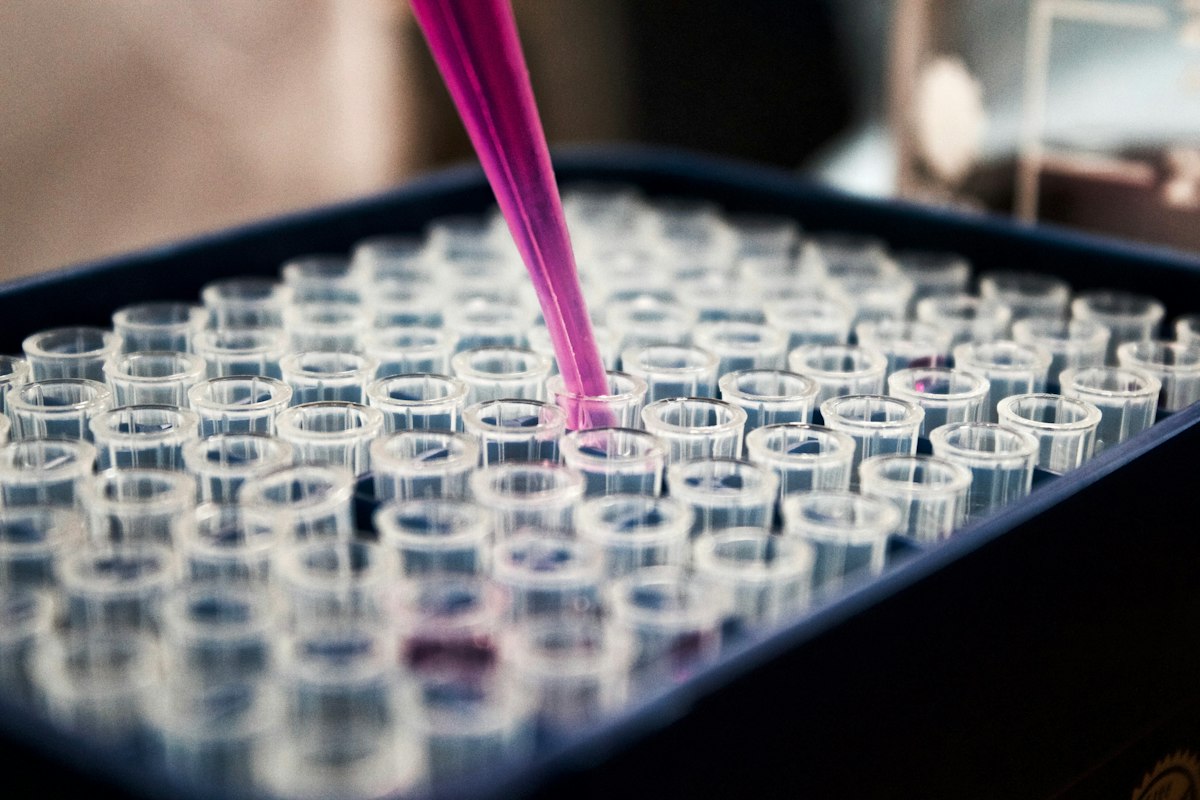
Hydrochloric acid (HCl) is a strong, highly corrosive inorganic acid consisting of hydrogen chloride dissolved in water. This clear to slightly yellow liquid is one of the most widely used industrial chemicals, essential for metal processing, chemical manufacturing, and pH control applications. With its powerful acidic properties and excellent solubility characteristics, hydrochloric acid serves as a fundamental building block in numerous industrial processes.
Key Applications
Metal Pickling: Removes oxide scales and rust from steel and other metals before galvanizing, coating, or further processing
Chemical Synthesis: Acts as a vital reactant and catalyst in the production of chlorides, fertilizers, and various organic compounds
pH Adjustment: Provides precise pH control in water treatment, swimming pools, and industrial process streams
PVC Production: Essential in the manufacture of polyvinyl chloride and other chlorinated polymers
Safety & Handling
Hydrochloric acid is non-flammable but highly corrosive with a pH less than 1 when concentrated. Personnel must wear appropriate personal protective equipment including acid-resistant gloves, safety goggles, and protective clothing when handling. Ensure adequate ventilation to prevent inhalation of vapors, which have a pungent, irritating odor. The vapor density of 1.268 means vapors are heavier than air and may accumulate in low-lying areas.
Storage & Shelf Life
Store hydrochloric acid in corrosion-resistant containers such as polyethylene or PVC in cool, dry, well-ventilated areas away from incompatible materials including metals, alkalis, and oxidizing agents. The solution has a density of 1.188 g/cm³ for 37% concentration and a melting point of -26°C. Maintain storage temperatures above freezing to prevent crystallization. Keep containers tightly sealed to minimize vapor loss and contamination.
Why Alliance Chemical
Alliance Chemical delivers reliable Hydrochloric Acid with same-day shipping from our Taylor, Texas facility. We offer flexible shipping options including UPS, LTL, and FTL to meet your timeline and volume requirements. Every shipment includes comprehensive Safety Data Sheets (SDS) and Certificates of Analysis (COA) to ensure product quality and regulatory compliance for your operations.
Shipping & Availability
Parcel Shipping
UPS Ground supports pints, quarts, and most 1-gallon packages nationwide.
LTL Freight
5-gallon pails, drums, and totes move via LTL carriers such as ABF Freight, SEFL, Saia, and XPO.
Full Truckload
FTL available for palletized bulk orders. Competitive freight rates.
Local Pickup
Same-day pickup at our Taylor, TX warehouse for Texas customers.
SDS, COA, and TDS available for every product • Same-day shipping on orders before 1 PM CT
Frequently Asked Questions
What is hydrochloric acid (HCl) and what is it used for?
Hydrochloric acid (CAS 7647-01-0, formula HCl) is a strong, corrosive aqueous acid commonly supplied as solutions at various concentrations. It is used for industrial processes (steel pickling, pH control, metal cleaning), chemical synthesis, and laboratory reagent work such as titrations and sample preparation.
How should hydrochloric acid be stored and what is its shelf life?
Store hydrochloric acid in a cool, well‑ventilated area away from incompatible materials (alkalis, oxidizers, metals) in compatible containers such as HDPE, glass-lined, or PTFE-lined vessels and keep containers tightly closed. The product is chemically stable when sealed; manufacturers typically recommend inspecting containers and using within 1–3 years, while noting that concentration can slowly change if containers are not tightly sealed.
What safety precautions and personal protective equipment (PPE) are required when handling hydrochloric acid?
HCl is corrosive and can cause severe skin and eye burns and respiratory irritation; use in a fume hood or well‑ventilated area with acid‑resistant gloves, splash goggles or face shield, chemical apron, and appropriate respiratory protection for high vapor concentrations. Have eyewash and emergency shower access, and follow your SDS for first aid and spill response procedures.
How do the different concentrations (37%, 31%, 15%, 5%) affect use and hazards?
Higher concentrations (31–37%) are more reactive, more fuming, and require stricter controls for corrosion and ventilation, while 5–15% solutions are less hazardous but still corrosive and commonly used for rinsing or cleaning. Choose concentration based on application needs—concentrated grades for synthesis and industrial pickling, diluted grades for cleaning and lab use—and always adjust controls and PPE accordingly.
What documentation is available for hydrochloric acid deliveries?
Suppliers typically provide a Safety Data Sheet (SDS), Certificate of Analysis (COA), Technical Data Sheet (TDS), and shipping papers (UN documentation). Additional documents such as batch test reports, regulatory compliance statements (e.g., REACH/TSCA), and material compatibility guides may be available on request.
How is hydrochloric acid shipped and what packaging options are common?
Hydrochloric acid is regulated as a hazardous corrosive material (UN1789) and must be shipped in accordance with DOT, IMDG, and IATA rules with appropriate labeling and documentation. Common packaging includes HDPE drums and carboys, intermediate bulk containers (IBCs), glass-lined tanks, and bulk ISO tankers depending on quantity and concentration.
Which materials are compatible with hydrochloric acid and which should be avoided?
Compatible materials include glass, PTFE, PVDF, PVC, and certain high‑density polyethylenes as well as glass‑lined or suitably coated steels; these are commonly used for storage and transfer. Avoid carbon steel, aluminum, copper, brass, zinc and some stainless steels at elevated concentrations/temperatures, as HCl can corrode these and may liberate hydrogen gas with reactive metals.
What are the key technical specifications to check when buying hydrochloric acid?
Key specs include CAS number (7647-01-0), formula (HCl), stated concentration (e.g., 37%, 31%, 15%, 5%), purity or grade (industrial, technical, reagent), appearance (colorless to pale yellow liquid), and any limits for impurities provided on the COA. Also verify density/specific gravity and storage/compatibility recommendations for your application.
Which industries and applications commonly use hydrochloric acid?
Hydrochloric acid is widely used in steel pickling, metal cleaning and surface treatment, oil and gas well acidizing, pH control in water treatment, production of inorganic and organic chlorides, and laboratory reagent work. It is also employed in manufacturing processes across chemical, petrochemical, mining, and construction industries.
How can I purchase hydrochloric acid and what should I expect about availability and lead times?
Hydrochloric acid is available in industrial and laboratory grades from chemical distributors in pack sizes ranging from small bottles and carboys to drums, IBCs and bulk tankers; lead times vary by quantity and grade. Contact suppliers with required concentration, annual volume, intended use, and shipping location to obtain quotes, SDS/COA, and information on minimum order sizes and regulatory requirements.