

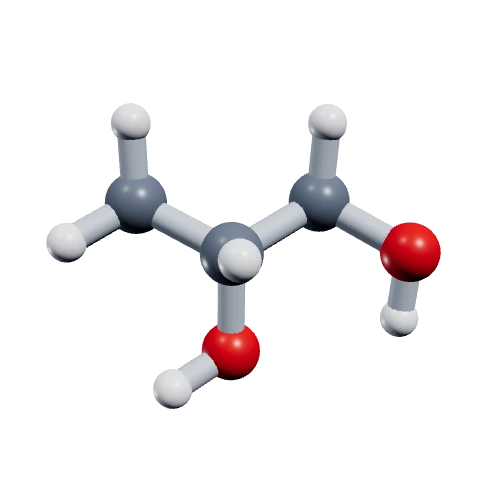


If you follow product recalls, you saw the headline: a popular over-the-counter gas-relief softgel was pulled over “chemical contamination.” The internet did what the internet does, and a lot of people pictured something toxic. The “chemical” in question was propylene glycol — one of the most common, boringly safe ingredients in your house. Here is what actually happened, and the one idea that explains all of it: grade.
What happened in the 2026 Gas-X recall?
In June 2026, Haleon voluntarily recalled four lots of Gas-X Extra Strength Softgels after a diluted propylene glycol-based machine coolant leaked into the capsules during packaging — and, per the company, no adverse events were reported. According to the FDA recall notice, the affected lots (TL8K, YH9X, YH9Y and X78N) were recalled “due to potential contamination with a diluted propylene glycol-based coolant from a machine leakage during the packaging process,” and the company said the root cause had been identified and repaired.
Two details matter and got lost in the headlines. First, the active ingredient in the product is simethicone, an anti-foaming agent — so this was, ironically, an anti-foam product tripped up by a coolant leak. Second, the problem was a contamination route (industrial fluid reaching a swallowable product), not propylene glycol behaving as a poison.
What is propylene glycol — and is it safe?
Propylene glycol is a clear, nearly odorless organic compound (C₃H₈O₂, CAS 57-55-6) that the FDA recognizes as Generally Recognized As Safe for direct food use under 21 CFR 184.1666. It works as a humectant (holds moisture), a solvent, and a carrier for flavors and colors — which is why it turns up across food, medicine, and personal care.

How safe? International food-safety reviewers (the WHO/FAO Joint Expert Committee on Food Additives) assigned propylene glycol an acceptable daily intake of 0–25 mg per kilogram of body weight (JECFA). You’ll find it in baked goods, frozen dairy, drink mixes, toothpaste, and many liquid medicines, where it keeps formulations stable and dissolves ingredients that water cannot.
Is propylene glycol the same as antifreeze (ethylene glycol)?
No — propylene glycol and ethylene glycol are different compounds with opposite safety profiles, and conflating them is the single most common myth here. Ethylene glycol is the sweet, genuinely toxic automotive antifreeze: the body converts it into metabolites that form calcium-oxalate crystals and can cause kidney failure (NIH StatPearls). Propylene glycol is the “food-safe” glycol used in non-toxic antifreeze for food-processing lines, RV water systems and the like. One letter of difference in the name; a world of difference in the chemistry.
If propylene glycol is food-safe, why was the recall a problem?
Because grade, not the molecule, is what failed. The propylene glycol that reached the capsules wasn’t a pharmaceutical batch — it was a diluted, industrial coolant formulation that leaked off packaging equipment: wrong grade, wrong place, and an uncontrolled, undocumented amount. A coolant blend can carry other additives and has none of the testing or traceability of material made for human use. Identical chemical formula on paper; an entirely different product in practice.
USP vs technical vs industrial grade: what’s the difference?
The chemical formula is identical across grades; what differs is purity, documented testing, and intended use. “Grade” is a promise about how clean the material is and how well its identity is proven — not a different molecule.
| Grade | Made for | What it guarantees |
|---|---|---|
| USP | Food, medicine, cosmetics | Certified to United States Pharmacopeia limits for human use; tested + documented |
| Technical / industrial | Manufacturing, equipment, processes | Fit for industrial use; not certified or intended for ingestion |
| Inhibited | Heat-transfer / antifreeze loops | Blended with corrosion inhibitors for closed-loop systems |

What does the recall mean if you buy propylene glycol?
It means the grade on the certificate — not the name on the label — is what protects you. “Same molecule” is never the same as “same product.” When you buy propylene glycol (or any chemical), ask two questions: what grade, and where’s the COA? A supplier who can answer both instantly is selling you traceability; one who can’t is selling you risk.
Alliance Chemical supplies propylene glycol by grade — with the certificate of analysis on request at no charge, from quart bottles to totes. Tell us the application and we’ll match the grade, so you’re not paying for purity you don’t need or under-speccing a step that matters.
Browse every propylene glycol grade →
Common propylene glycol myths, cleared up
- “It’s antifreeze, so it’s poison.” Toxic antifreeze is ethylene glycol. Propylene glycol is the food-safe glycol used in non-toxic antifreeze.
- “A recall means the chemical is dangerous.” This recall was a contamination-route and wrong-grade issue, with no adverse events reported — not evidence the molecule is harmful.
- “Chemical-free is safer.” Everything is chemicals. What matters is the right substance at the right grade for the job.
- “All propylene glycol is the same.” USP, technical and inhibited share a formula but differ in purity, testing and intended use.
Sources
- U.S. FDA — Haleon voluntary recall of Gas-X Extra Strength Softgels
- eCFR — 21 CFR 184.1666, Propylene glycol (GRAS)
- WHO/FAO JECFA — propylene glycol acceptable daily intake
- NIH StatPearls — ethylene glycol toxicity (distinct from propylene glycol)
Related: Elixir Sulfanilamide: The 1937 Poisoning That Created the FDA — the 1937 diethylene glycol disaster that made propylene glycol the standard safe glycol, and created the modern FDA.
Frequently asked questions
Is propylene glycol safe?
Yes. The FDA recognizes propylene glycol as Generally Recognized As Safe (GRAS) for direct food use under 21 CFR 184.1666, and international reviewers (JECFA) set an acceptable daily intake of 0–25 mg per kilogram of body weight. It is widely used in food, medicine and cosmetics.
Why was Gas-X recalled if propylene glycol is safe?
The June 2026 recall was caused by an industrial machine-coolant formulation of propylene glycol leaking into the capsules during packaging — a contamination-route and wrong-grade problem, not propylene glycol toxicity. No adverse events were reported.
Is propylene glycol the same as antifreeze?
No. Toxic automotive antifreeze is ethylene glycol, a different compound. Propylene glycol is the food-safe glycol used in non-toxic antifreeze for food-processing and potable-water systems.
What is the difference between USP and technical grade propylene glycol?
The molecule is identical; the grade differs in purity, documented testing and intended use. USP grade is certified to United States Pharmacopeia limits for human use with a certificate of analysis on request at no charge; technical/industrial grade is for manufacturing and is not intended for ingestion.
What is the CAS number and formula of propylene glycol?
Propylene glycol has the molecular formula C3H8O2 and CAS number 57-55-6, regardless of grade or concentration.
What are the affected Gas-X lot numbers?
The FDA recall notice lists lots TL8K, YH9X, YH9Y and X78N of Gas-X Extra Strength Softgels 125 mg (120-count and 72-count).
What grades of propylene glycol does Alliance Chemical sell?
Alliance Chemical supplies propylene glycol in USP, technical and inhibited grades, in concentrations from 30% to 100%, from quart bottles to totes, with the certificate of analysis on request at no charge.
How do I choose the right propylene glycol grade?
Match the grade to the application. Choose USP for food, pharmaceutical or cosmetic use; technical for industrial processes and equipment; inhibited for heat-transfer and antifreeze loops. Always confirm the grade on the certificate of analysis.
Related Chemical Collections
About the author
Andre Taki
This article is for informational purposes only.


