

DOT says medical marijuana remains prohibited for safety-sensitive transportation workers
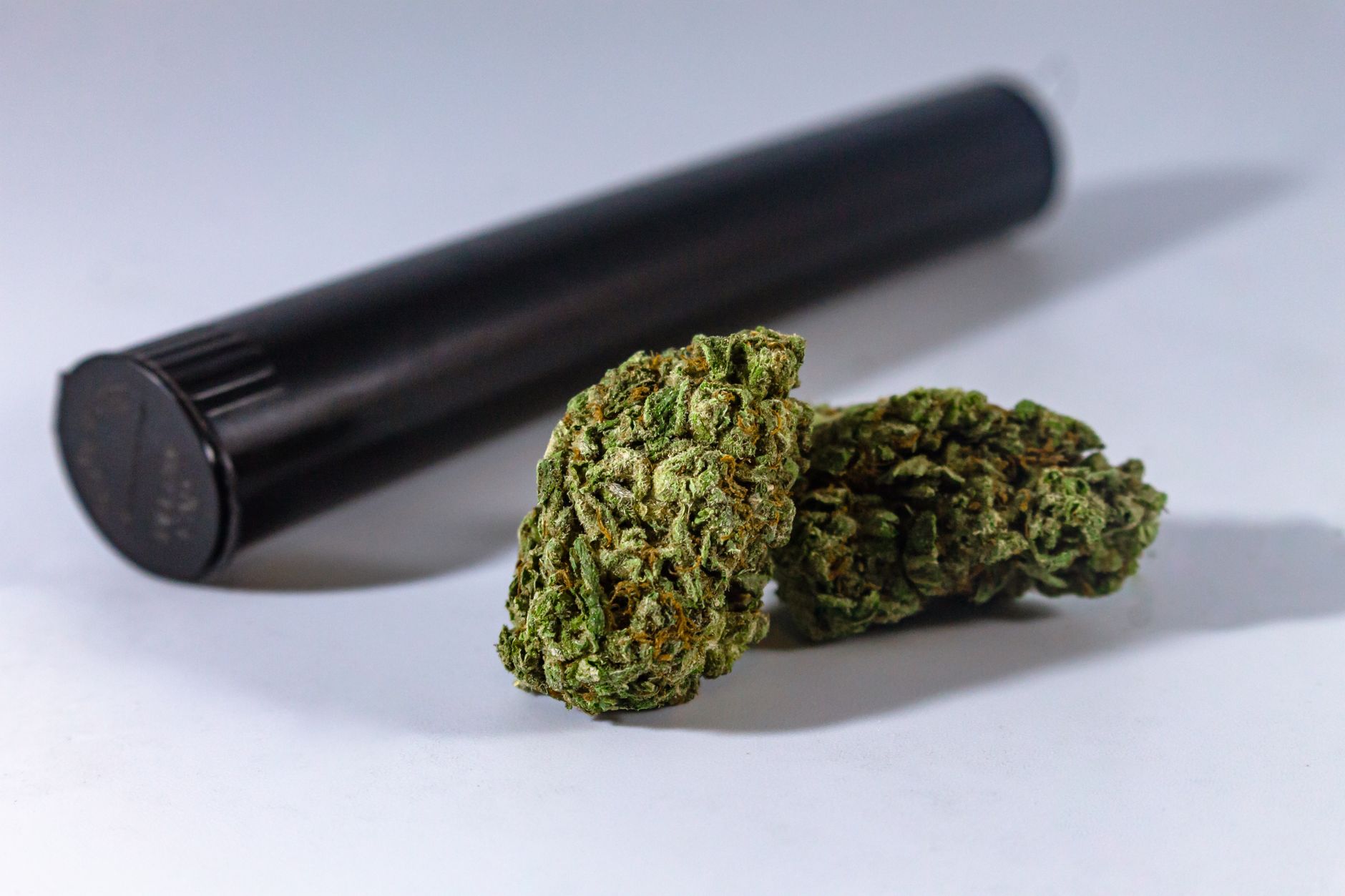
Photo by Terrance Barksdale on Pexels
The Department of Transportation says medical marijuana still cannot excuse a positive drug test for safety-sensitive workers, even after federal rescheduling under the Controlled Substances Act.
Key Facts
- DOT issued a notice on May 15 through its Office of Drug and Alcohol Policy and Compliance and agency general counsel.
- The department said marijuana use is not compatible with safety-sensitive functions.
- DOT said there is no instance where a medical review officer could verify a marijuana-positive drug test as negative based on a state-licensed marijuana product.
- The DEA reclassified marijuana as Schedule III on April 28, but DOT said state-dispensed marijuana is not an approved FDA substance.
- DOT said a state medical marijuana card or physician recommendation does not qualify as a legitimate medical explanation under its regulations.
What Happened
The Department of Transportation recently clarified that truck drivers and other safety-sensitive transportation workers cannot legally use state-licensed medical marijuana, even after federal action eased restrictions under the Controlled Substances Act of 1970.
In a notice issued May 15, DOT’s Office of Drug and Alcohol Policy and Compliance and agency general counsel said marijuana use is not compatible with safety-sensitive functions.
Why It Matters
For employers that rely on DOT-regulated workers, the practical issue is drug testing and return-to-duty decisions. DOT said a marijuana positive cannot be treated as negative simply because the worker says the result came from a state-licensed product.
This affects compliance programs, supervisor guidance, and employee communications across transportation-linked operations that may handle freight, site logistics, or fleet activity.
Key Details
The report said the April 28 DEA final rule reclassified marijuana from Schedule I to Schedule III and legalized state-regulated medical cannabis, but DOT said that change does not alter transportation safety requirements.
DOT also said state-dispensed marijuana is not considered an approved substance by the Food and Drug Administration.
- A state-issued medical marijuana card does not qualify as a legitimate medical explanation.
- A physician recommendation does not qualify as a legitimate medical explanation.
- A medical review officer cannot verify a marijuana-positive test as negative based on a state-licensed marijuana product.
What To Watch Next
Employers should expect the DOT notice to remain the controlling reference for safety-sensitive testing decisions unless the department issues further guidance.
Operations teams and EHS leads should review policy language, employee notices, and testing procedures to keep them aligned with DOT’s current position on marijuana use.
Alliance's Take
Alliance Chemical customers with DOT-regulated fleets or safety-sensitive transport roles should confirm drug-testing policies still treat marijuana as disqualifying under DOT rules. State medical authorization is not a substitute for compliance.
Procurement and EHS teams should coordinate on employee communications, supervisor training, and vendor screening so carrier requirements and site access rules stay aligned.
Related Products
Frequently Asked Questions
Does a state medical marijuana card excuse a DOT-positive test?
No. DOT said a state-issued card does not qualify as a legitimate medical explanation.
Did DEA rescheduling change DOT’s testing position?
No. DOT said the DEA’s Schedule III action does not make marijuana compatible with safety-sensitive functions.
What should employers check now?
Review DOT drug-testing policies, return-to-duty procedures, and supervisor guidance to ensure they match the current notice.


