Hydrocarbons

Toluene, Xylene, n-Heptane & Naphtha — ACS to technical

8 Products
Sort by:: Best Selling
Sort by: Best Selling

FILTERS

Chemical name
  • (1)
  • (1)
  • (2)
  • (1)
  • (1)
  • (2)
Grade
  • (3)
  • (5)
Percentage
  • (2)
  • (2)
  • (1)
Form
  • (8)
Industry
  • (5)
  • (7)
  • (1)
  • (7)
  • (3)
8 products

About Hydrocarbons

About Hydrocarbons

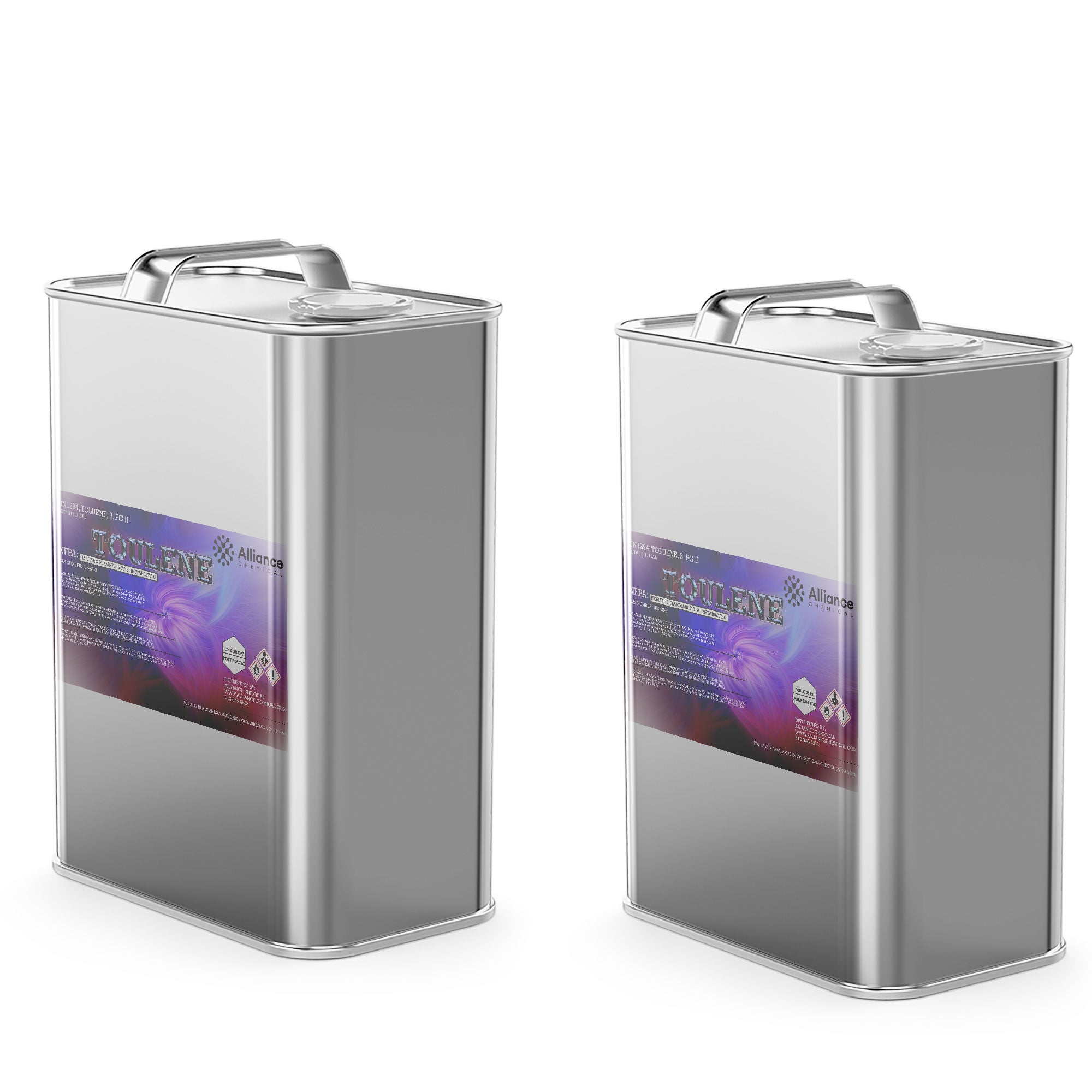
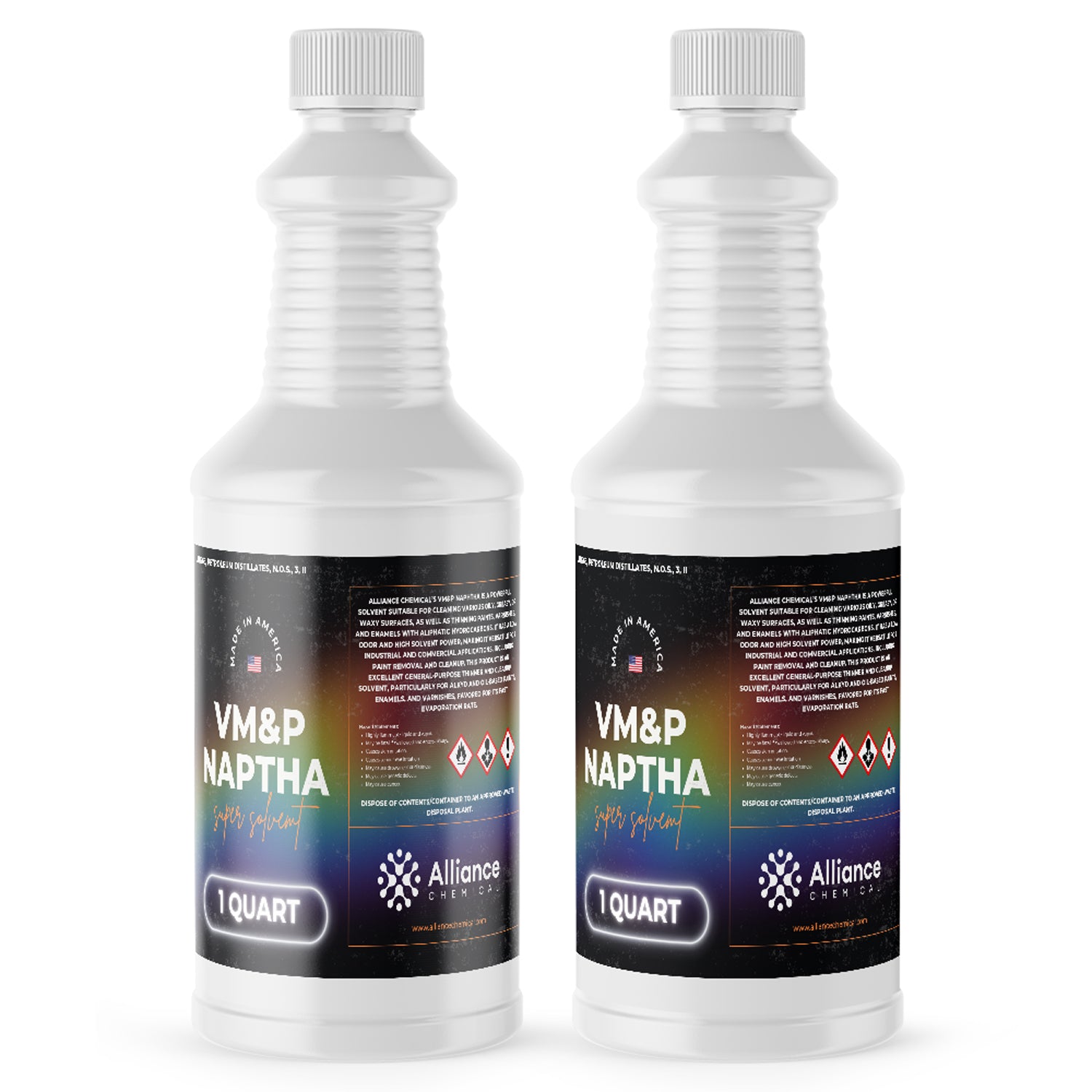
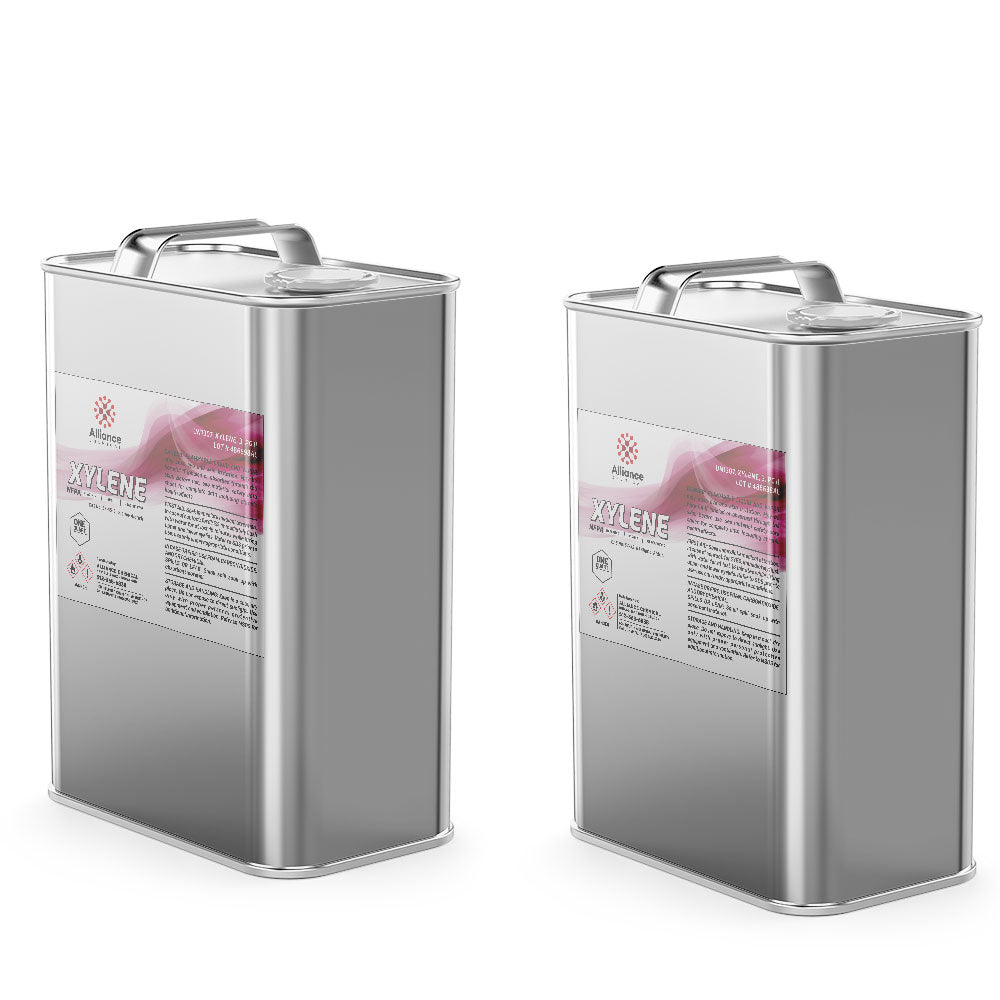
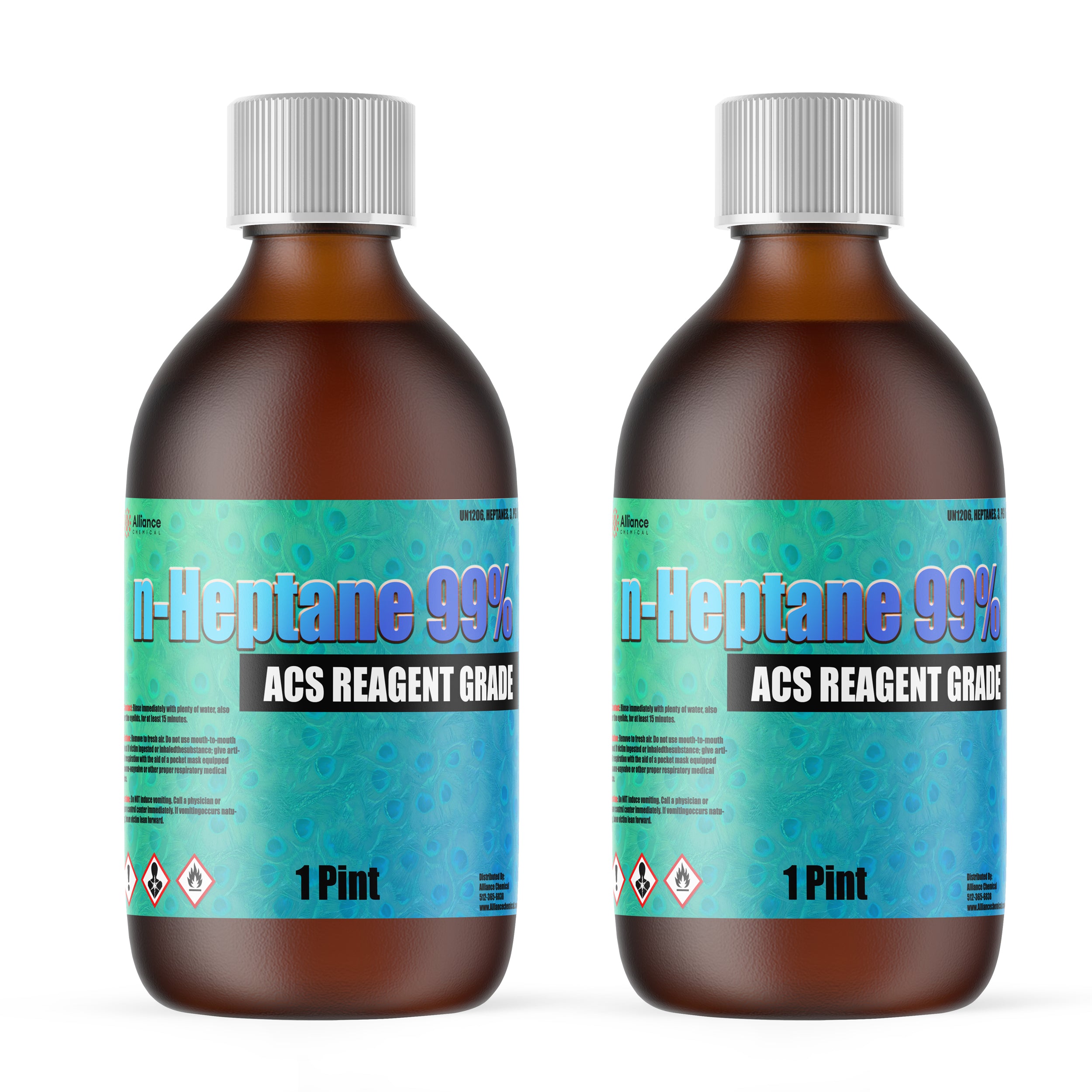
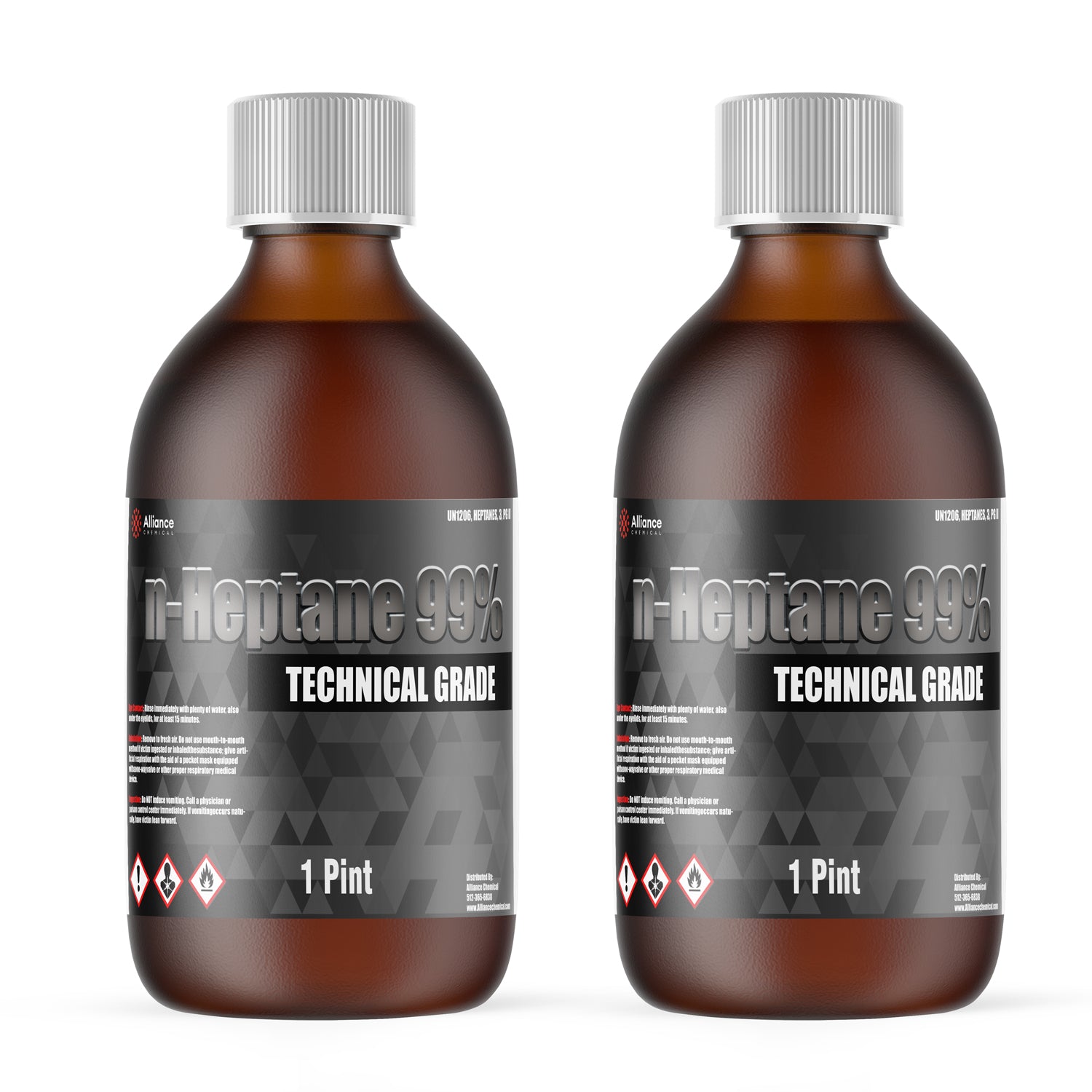
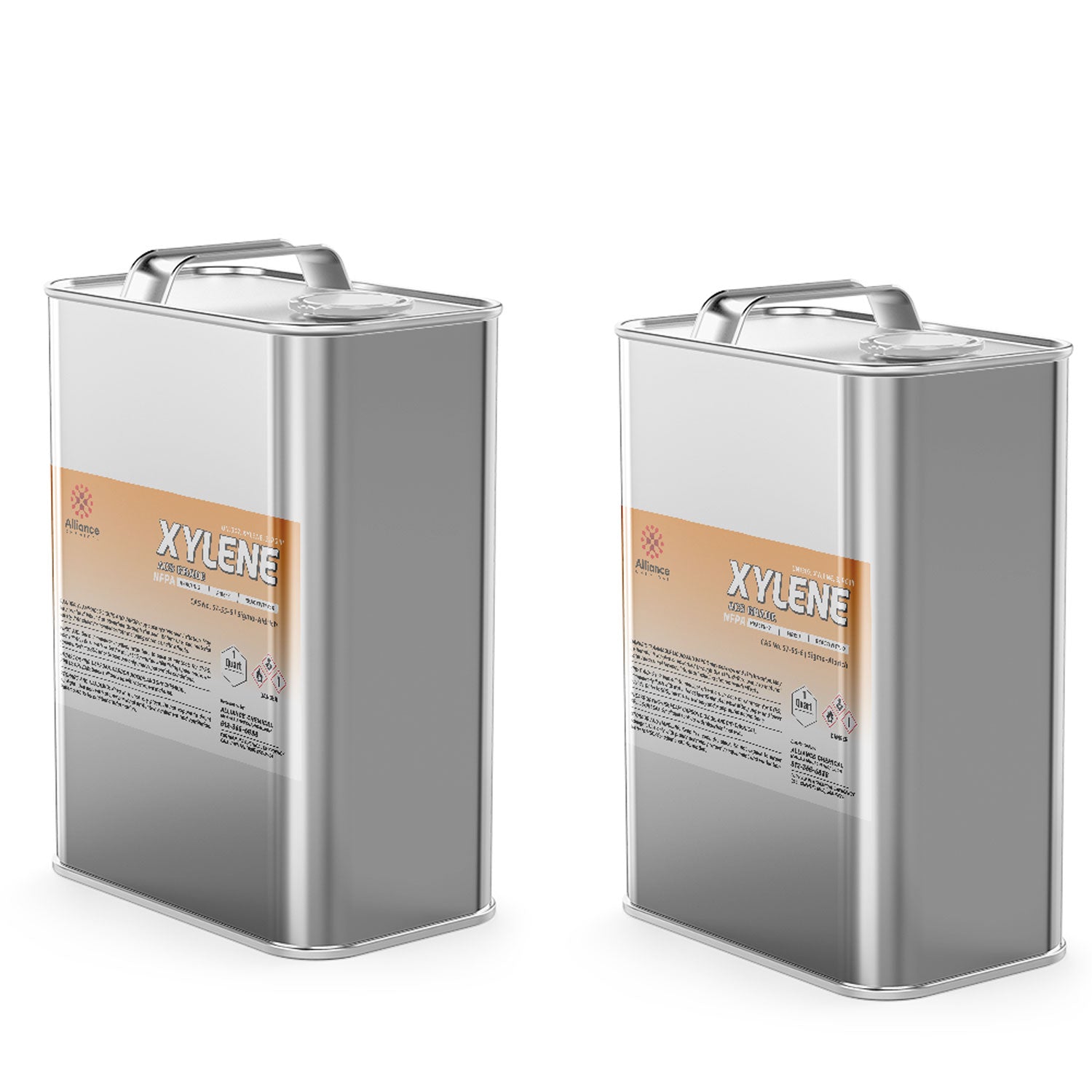
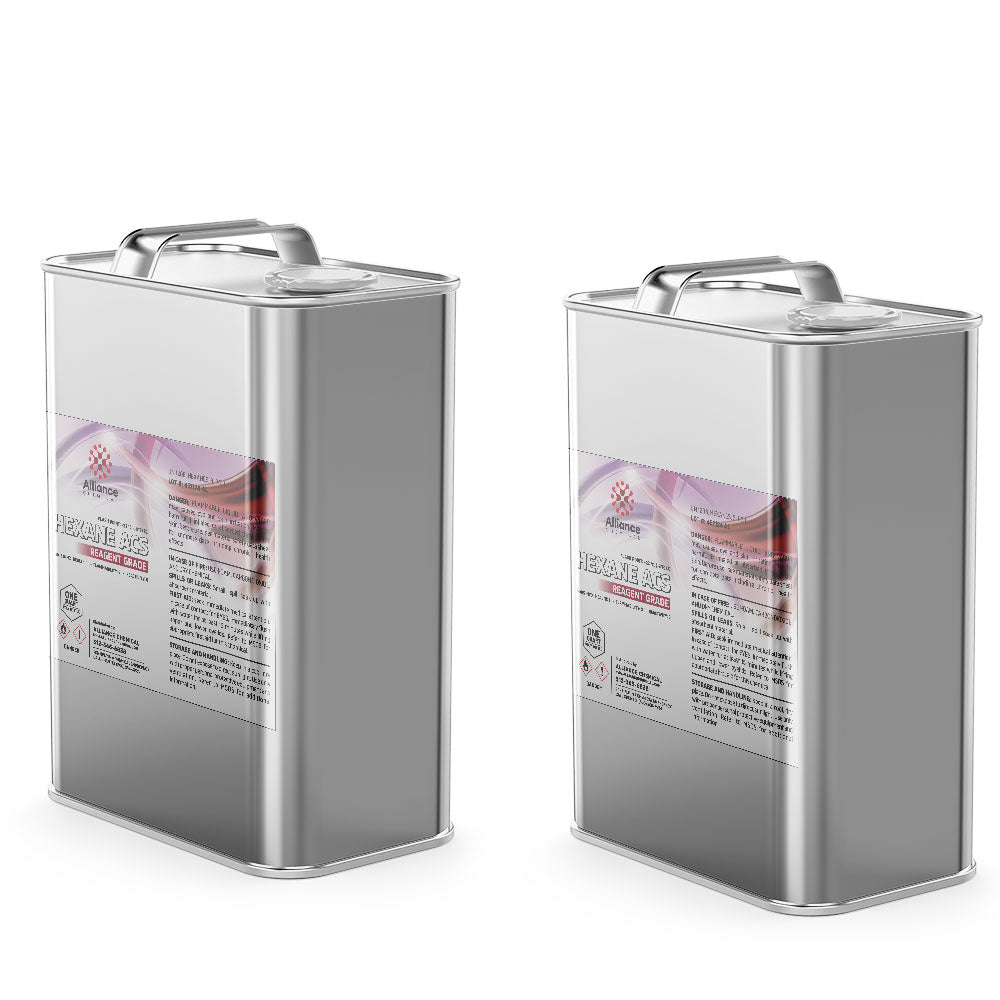
Hydrocarbons are organic compounds composed exclusively of hydrogen and carbon atoms, serving as the primary non-polar solvents for industrial, laboratory, and extraction applications. This collection includes critical aromatic solvents such as Toluene (CAS 108-88-3) and Xylene (CAS 1330-20-7), as well as aliphatic solvents including n-Hexane (CAS 110-54-3), n-Heptane (CAS 142-82-5), and VM&P Naphtha (CAS 64742-89-8). These chemicals are valued for their high solvency power, controlled evaporation rates, and effectiveness in dissolving oils, fats, resins, and polymers.

Common Applications

  • Botanical Oil Extraction: Utilizing n-Hexane or n-Heptane 99% ACS grade to efficiently isolate essential oils and bioactive compounds from plant matrices.
  • Paint Thinning and Coating Formulation: Using Toluene and Xylene to adjust the viscosity of alkyd resins, chlorinated rubbers, and various industrial coatings.
  • Adhesive and Rubber Manufacturing: Incorporating VM&P Naphtha as a fast-evaporating solvent in the production of rubber cements and pressure-sensitive adhesives.
  • Industrial Degreasing: Application of aromatic and aliphatic blends to remove heavy grease, bitumen, and paraffin wax from metal surfaces prior to finishing.
  • Automotive Component Cleaning: Employing hydrocarbon solvents to dissolve varnish and carbon deposits in carburetors and fuel system components.
  • Laboratory Chromatography: Using ACS Reagent grade Hexane and Heptane as mobile phases in HPLC and gas chromatography for precise chemical analysis.
  • Polymer Processing: Utilizing Xylene as a carrier solvent for specialized polymer coatings and as a reactant in synthetic chemical processes.

What We Carry

Alliance Chemical provides hydrocarbon solvents in multiple purity levels to meet rigorous regulatory and operational requirements. Our inventory ranges from ACS Reagent Grade (meeting or exceeding American Chemical Society standards for analytical use) to Technical Grade for large-scale industrial cleaning and processing. We stock these solvents in various volumes, including 1-quart bottles, 1-gallon jugs, 5-gallon pails, and 55-gallon drums to accommodate both bench-top research and full-scale manufacturing.

Grade Typical Purity Best For
ACS Reagent >99.0% Laboratory analysis, pharmaceutical extraction, chromatography.
High Purity (99%) 99.0% Botanical extraction, precision cleaning, electronic components.
Technical 95-98% Paint thinning, industrial degreasing, adhesive manufacturing.

Safety & Handling

Hydrocarbon solvents are classified as highly flammable liquids and pose significant health risks if inhaled or absorbed. They are categorized under GHS02 (Flame), GHS07 (Exclamation Mark), and GHS08 (Health Hazard) for aspiration toxicity and target organ systemic toxicity. Handling must occur in well-ventilated areas or under a fume hood to stay below the Permissible Exposure Limits (PEL) established in OSHA 29 CFR 1910.1000 Table Z-2. Recommended PPE includes chemical-splash goggles and Viton or Silver Shield gloves, as standard nitrile may provide insufficient breakthrough times for aromatics like Xylene.

Storage must comply with NFPA 30 (Flammable and Combustible Liquids Code), requiring storage in approved flammable cabinets away from strong oxidizers and open flames. Per DOT 49 CFR Part 172, these materials are shipped as Class 3 Flammable Liquids. In the event of exposure, move the victim to fresh air and seek immediate medical attention if swallowed; do not induce vomiting due to aspiration risks. For comprehensive data, consult our Safety Data Sheets.

Sourcing & Quality

Shipped from Taylor, Texas — same-day on in-stock items.

COA included with every order. Certificate of Analysis documents lot-specific purity and specifications.

28 years serving 55,000+ customers including 244 federal contracts.

✓ SDS Included ✓ COA Available ⚡ Same-Day Shipping ★ No Minimum Order

Last updated: March 2026

Frequently Asked Questions

What is the difference between n-Heptane 99% and Technical Grade Heptane?
n-Heptane 99% (often ACS or High Purity) contains a minimum of 99% of the straight-chain heptane isomer, making it ideal for precision laboratory work and botanical extractions where residue-free results are critical. Technical grade heptane is a blend of heptane isomers and other hydrocarbons that typically falls in the 95-98% purity range, suitable for industrial degreasing and adhesive thinning. The higher isomer purity of the 99% grade ensures more predictable boiling points and solvency behavior in sensitive chemical processes.
Is Toluene or Xylene a better solvent for oil-based coatings?
The choice depends on the required evaporation rate; Toluene (CAS 108-88-3) evaporates significantly faster than Xylene (CAS 1330-20-7), making it better for fast-drying spray applications. Xylene is preferred for brush-on coatings and heavy-duty degreasing because its slower evaporation allows for more 'open time' and better leveling of the finish. Both are potent aromatic hydrocarbons, but Xylene's higher boiling point (approx. 138°C) provides a longer working window for removing stubborn resins.
What are the OSHA exposure limits for Toluene and Xylene?
Under OSHA 29 CFR 1910.1000 Table Z-2, Toluene has a Permissible Exposure Limit (PEL) of 200 ppm (8-hour TWA) with a ceiling concentration of 300 ppm. Xylene is regulated under Table Z-1 with a PEL of 100 ppm (435 mg/m³). Employers are required to implement engineering controls, such as local exhaust ventilation, and provide appropriate respiratory protection if monitoring reveals concentrations exceeding these legal thresholds.
How should hydrocarbon solvents be stored according to NFPA 30?
NFPA 30 classifies most hydrocarbons in this collection as Class IB Flammable Liquids (flash points below 73°F and boiling points at or above 100°F). They must be stored in UL-listed or FM-approved flammable liquid storage cabinets when quantities exceed localized limits. Storage areas must be equipped with grounding and bonding systems to prevent static discharge during transfer, and the environment must be kept cool and away from incompatible oxidizers like hydrogen peroxide or nitric acid.
What is the flash point of VM&P Naphtha and why does it matter?
VM&P Naphtha typically has a flash point of approximately 50°F (10°C), classifying it as a highly flammable liquid. The flash point is the lowest temperature at which the liquid produces enough vapor to form an ignitable mixture in air; because this is well below standard room temperature, VM&P Naphtha presents a constant fire risk. Users must eliminate all ignition sources, use non-sparking tools, and ensure proper ventilation to prevent the accumulation of vapors in low-lying areas.
Can I use Hexane Technical Grade for essential oil extraction?
While Technical Grade Hexane is a powerful solvent, it may contain trace impurities or higher levels of branched isomers that could affect the flavor, aroma, or safety profile of the final extract. For high-end botanical or essential oil extraction, ACS Reagent Grade or 99% n-Hexane is recommended to ensure minimal solvent residue (Non-Volatile Residue, NVR) and high-purity yield. Always verify that your process equipment is compatible with flammable hydrocarbons and meets local fire codes for extraction facilities.
How do I dispose of spent hydrocarbon solvents like Toluene and Xylene?
Waste hydrocarbon solvents are generally classified as hazardous waste under EPA RCRA regulations due to the characteristic of ignitability (D001). Additionally, Toluene (U220) and Xylene (U239) are listed wastes that must be managed according to 40 CFR Part 262 standards. Spent solvents should be collected in labeled, closed containers and hauled by a certified hazardous waste contractor for fuel blending or incineration; never pour these chemicals down the drain or into the environment.
What DOT regulations apply to shipping 55-gallon drums of Hexane?
Hexane is shipped as UN1208, Hexanes, 3, PG II under DOT 49 CFR Part 172. When shipping in 55-gallon drums, the containers must be UN-rated (e.g., 1A1 steel drums), properly labeled with Flammable Liquid Class 3 placards, and accompanied by a hazardous materials shipping manifest. Alliance Chemical ensures all bulk shipments comply with these federal safety standards, including proper palletization and securing of the load to prevent transit incidents.