Dark mode

NaOH, KOH & Ammonium Hydroxide — ACS to technical

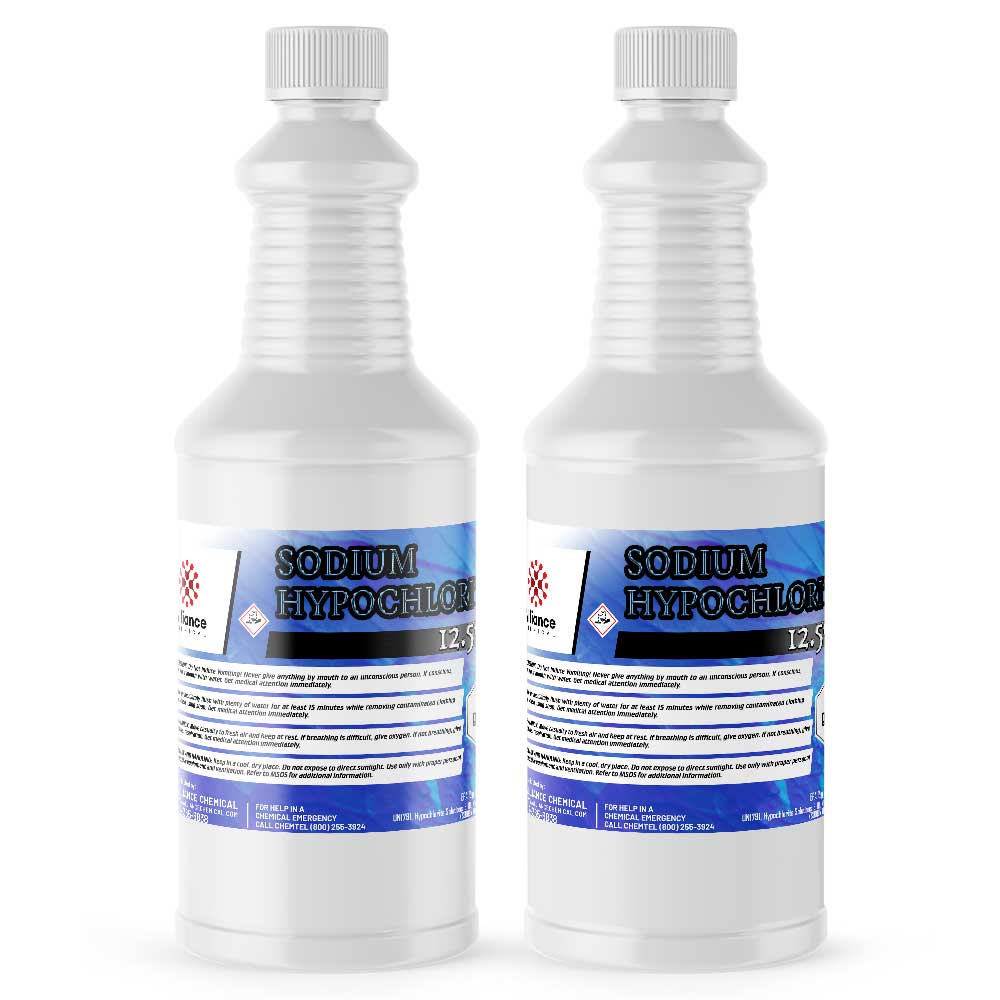

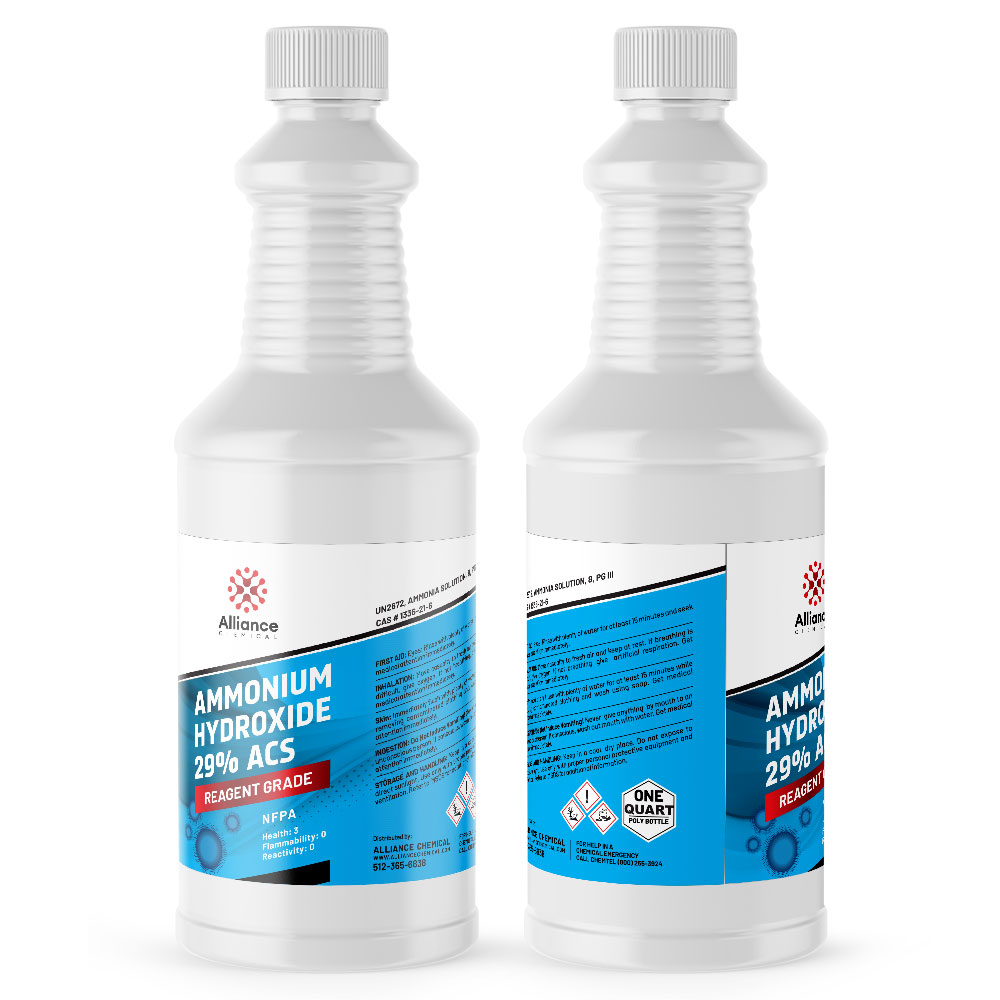

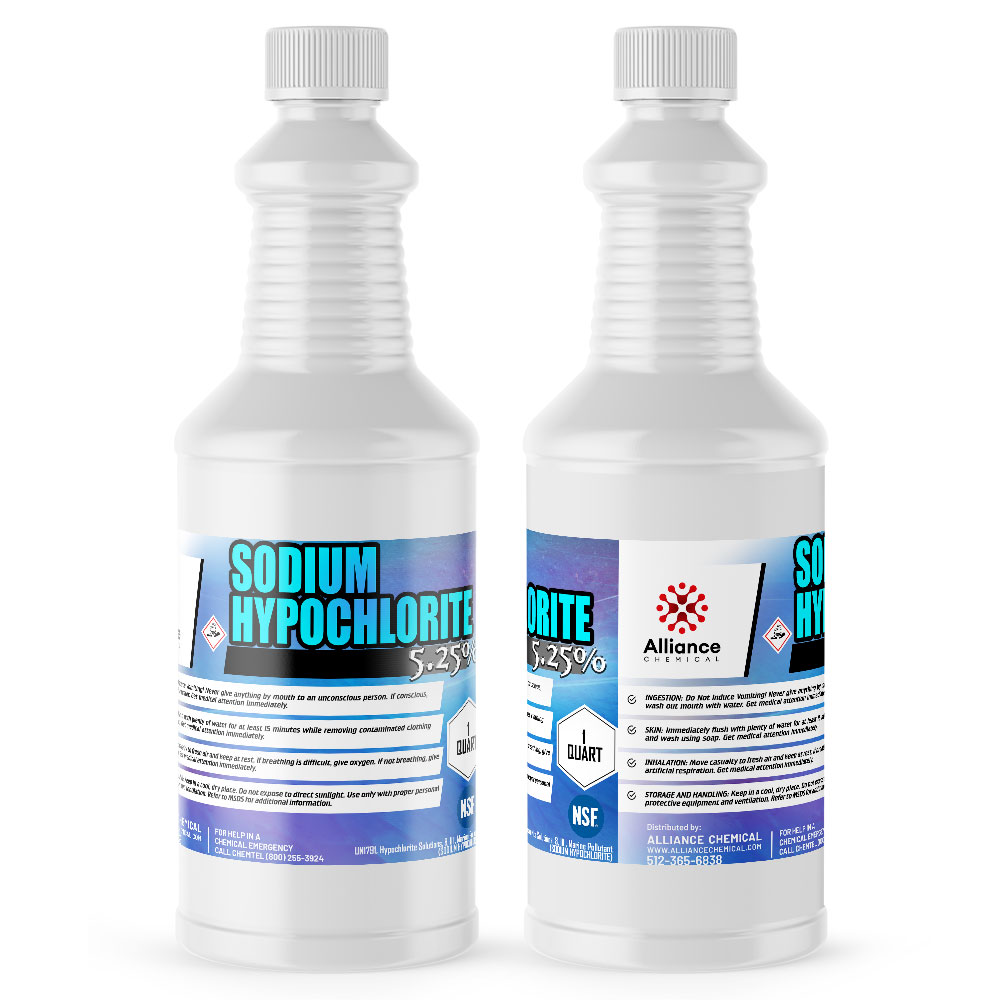

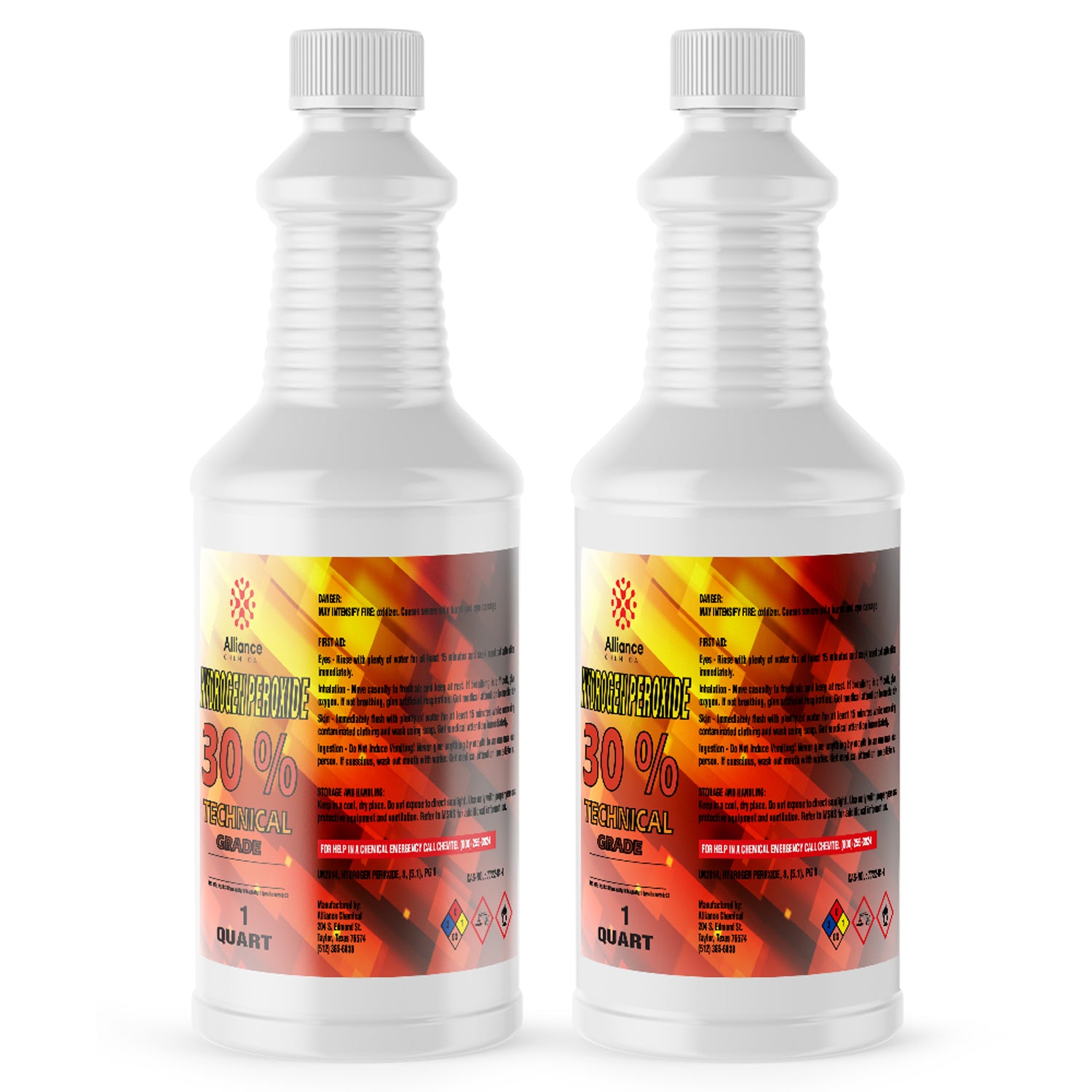

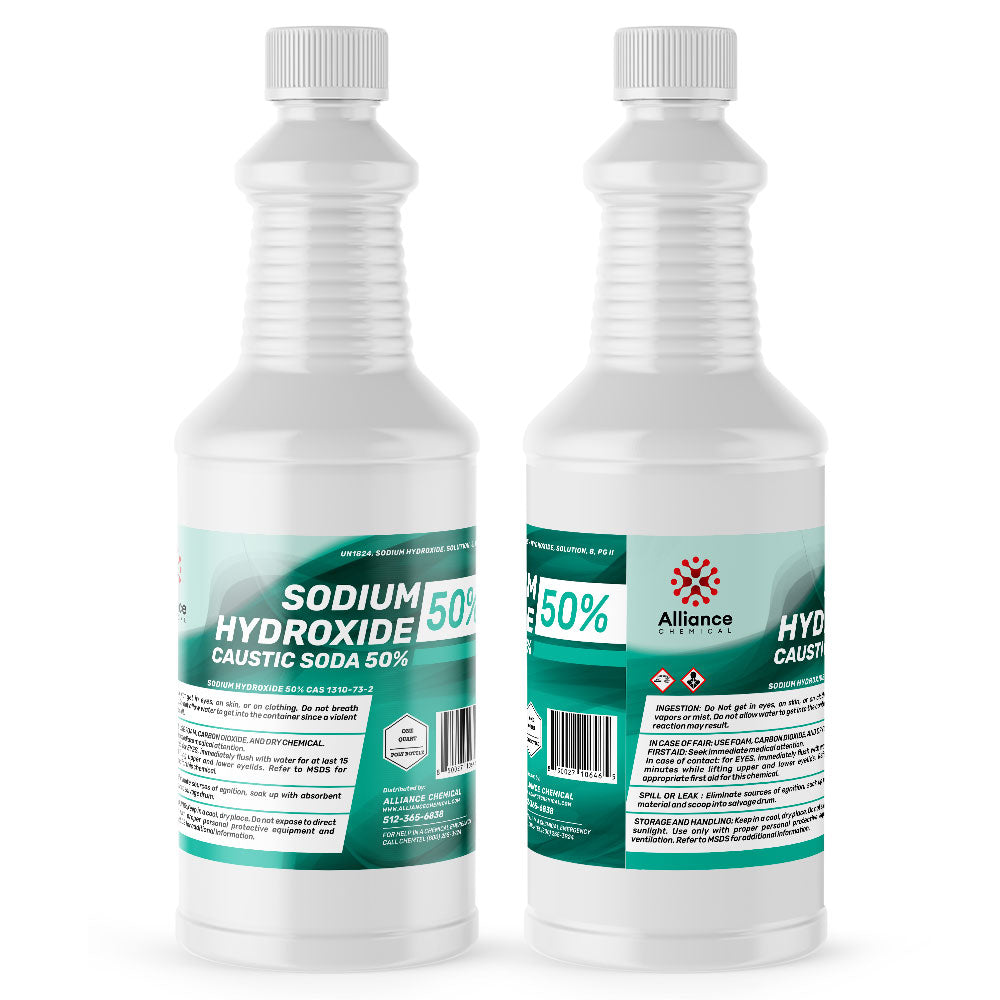

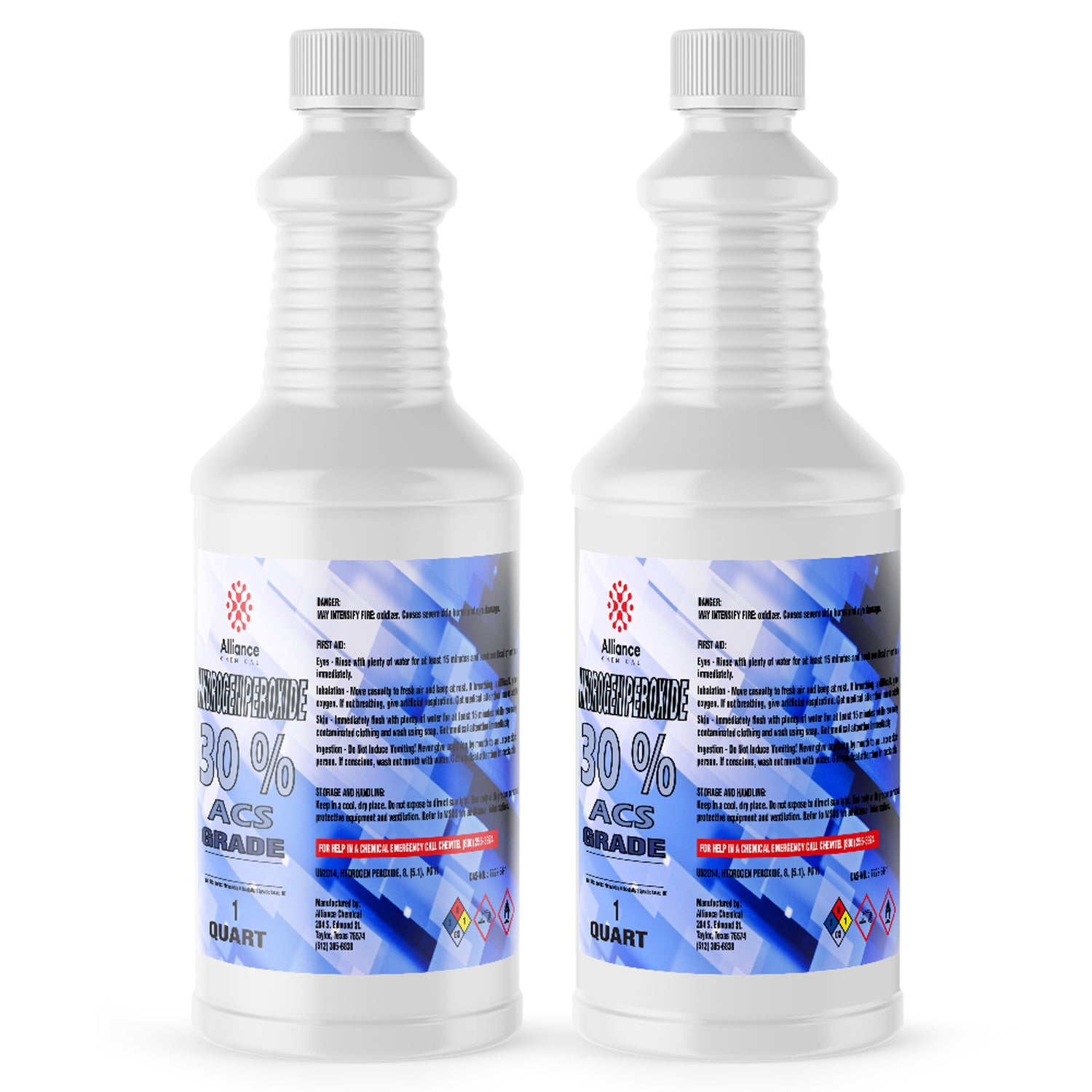

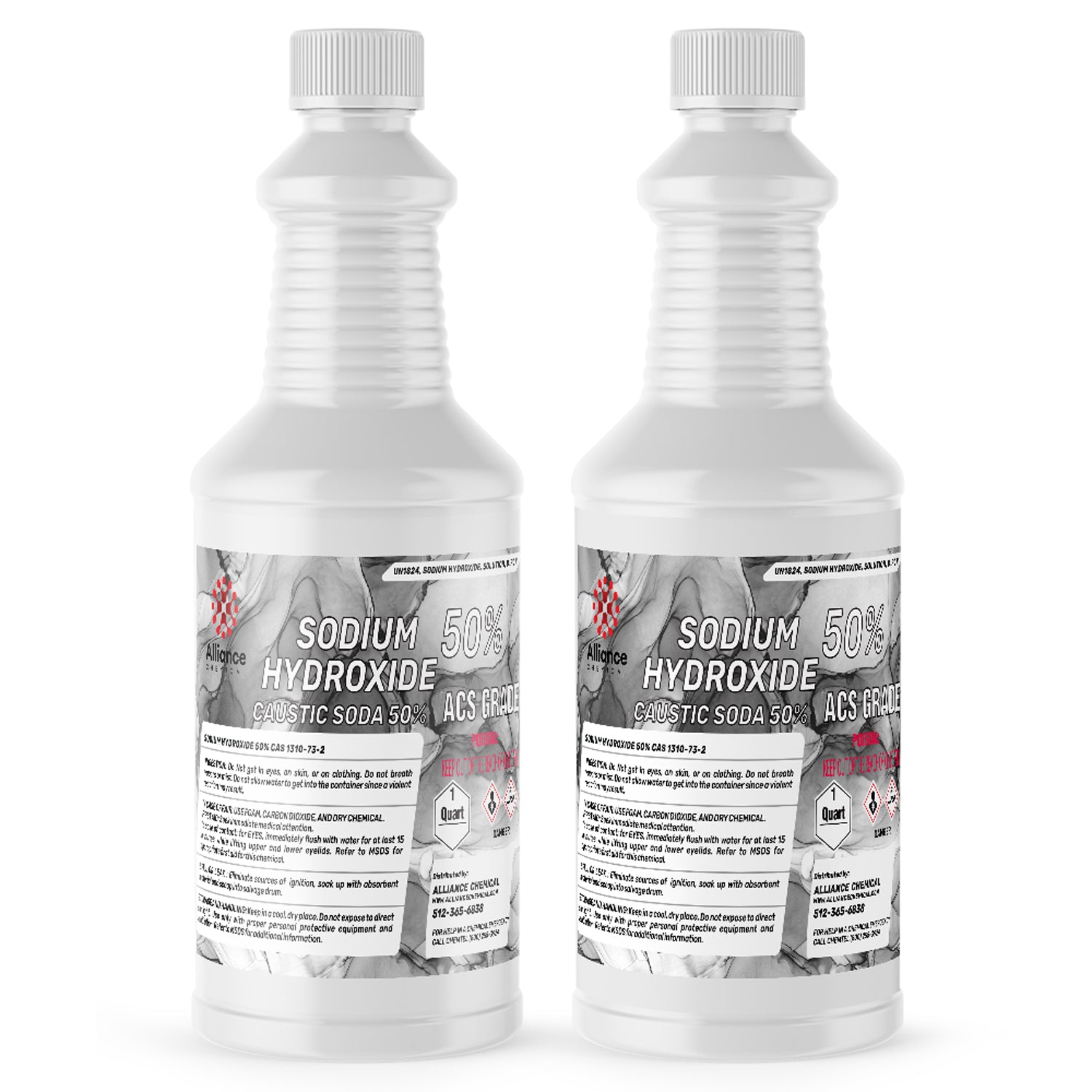

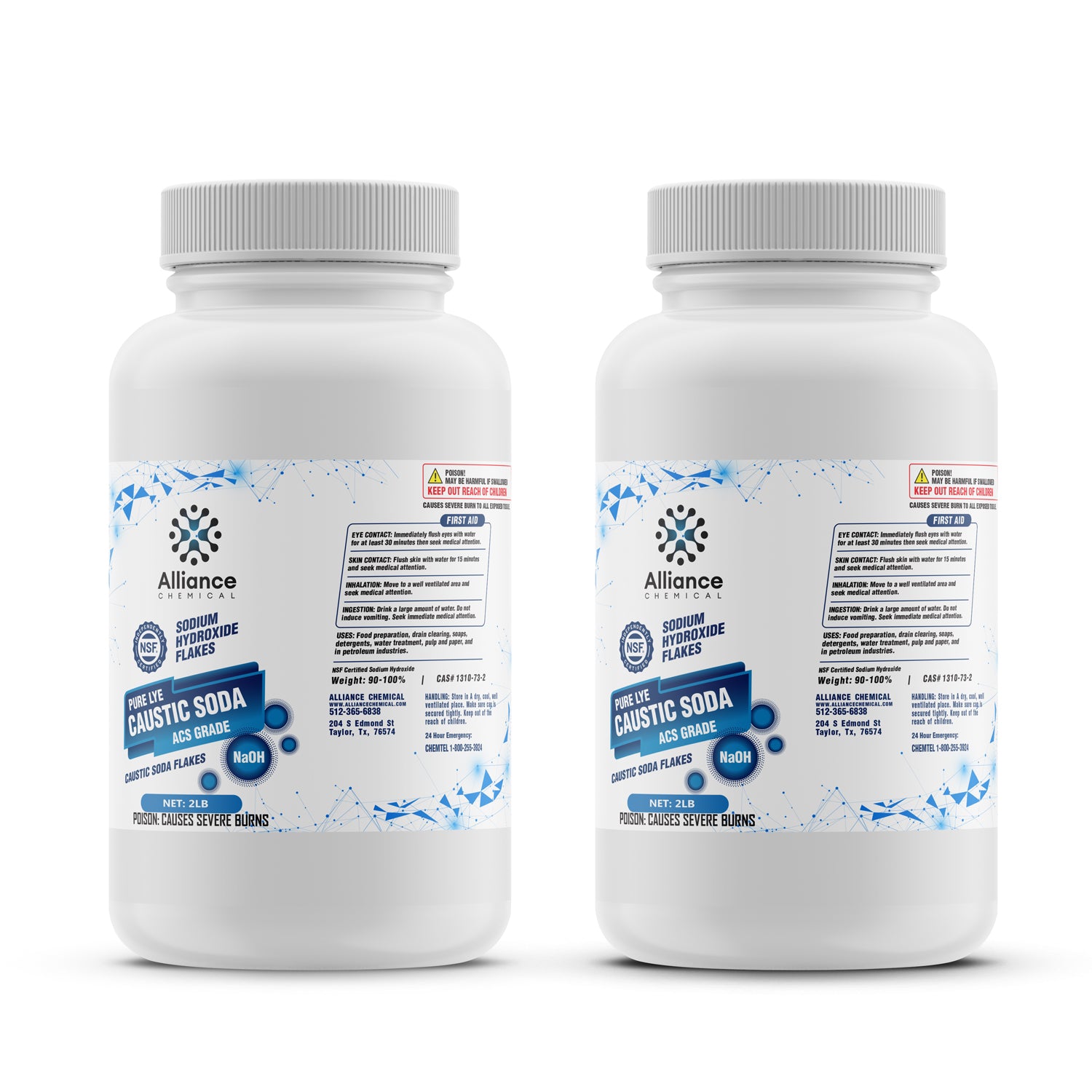


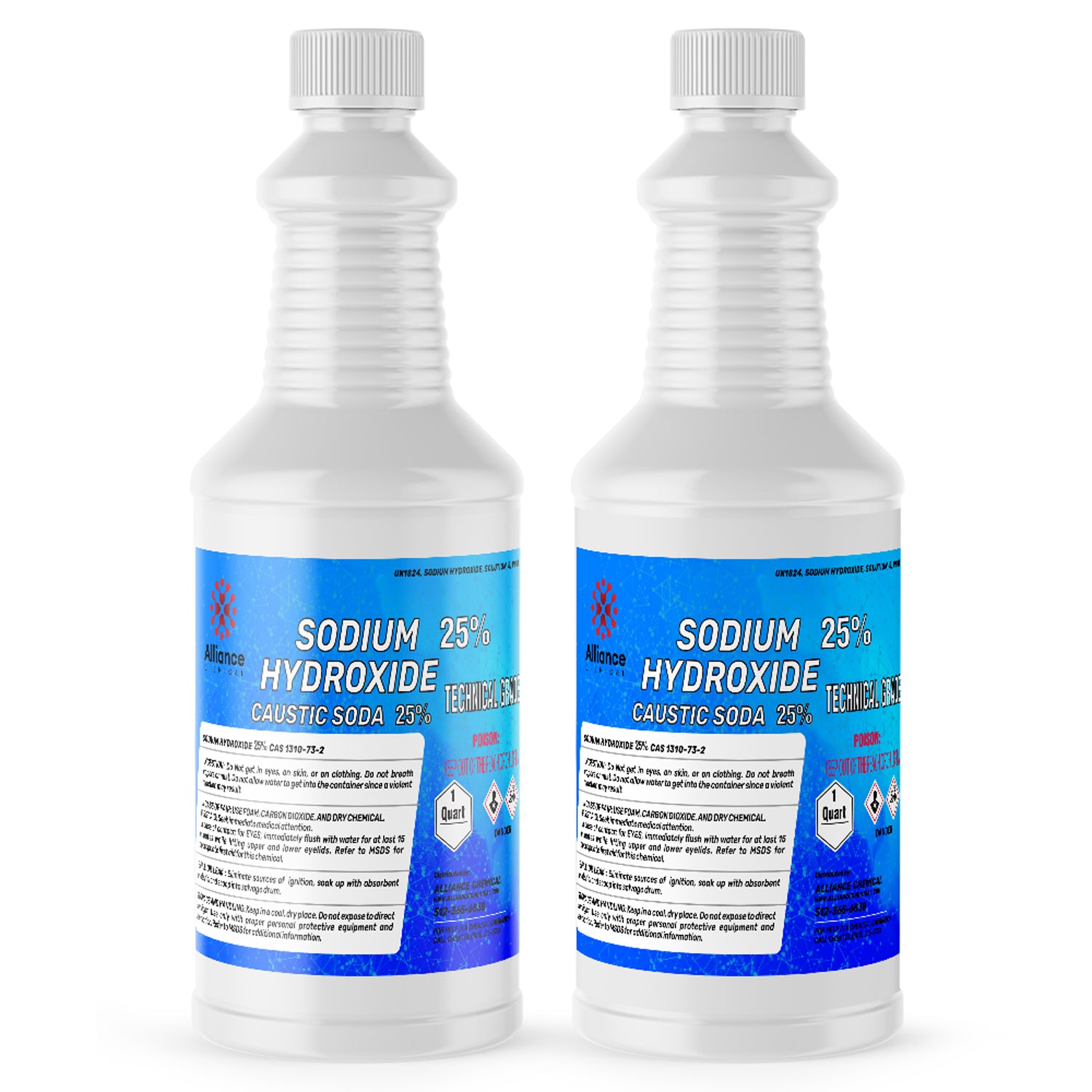

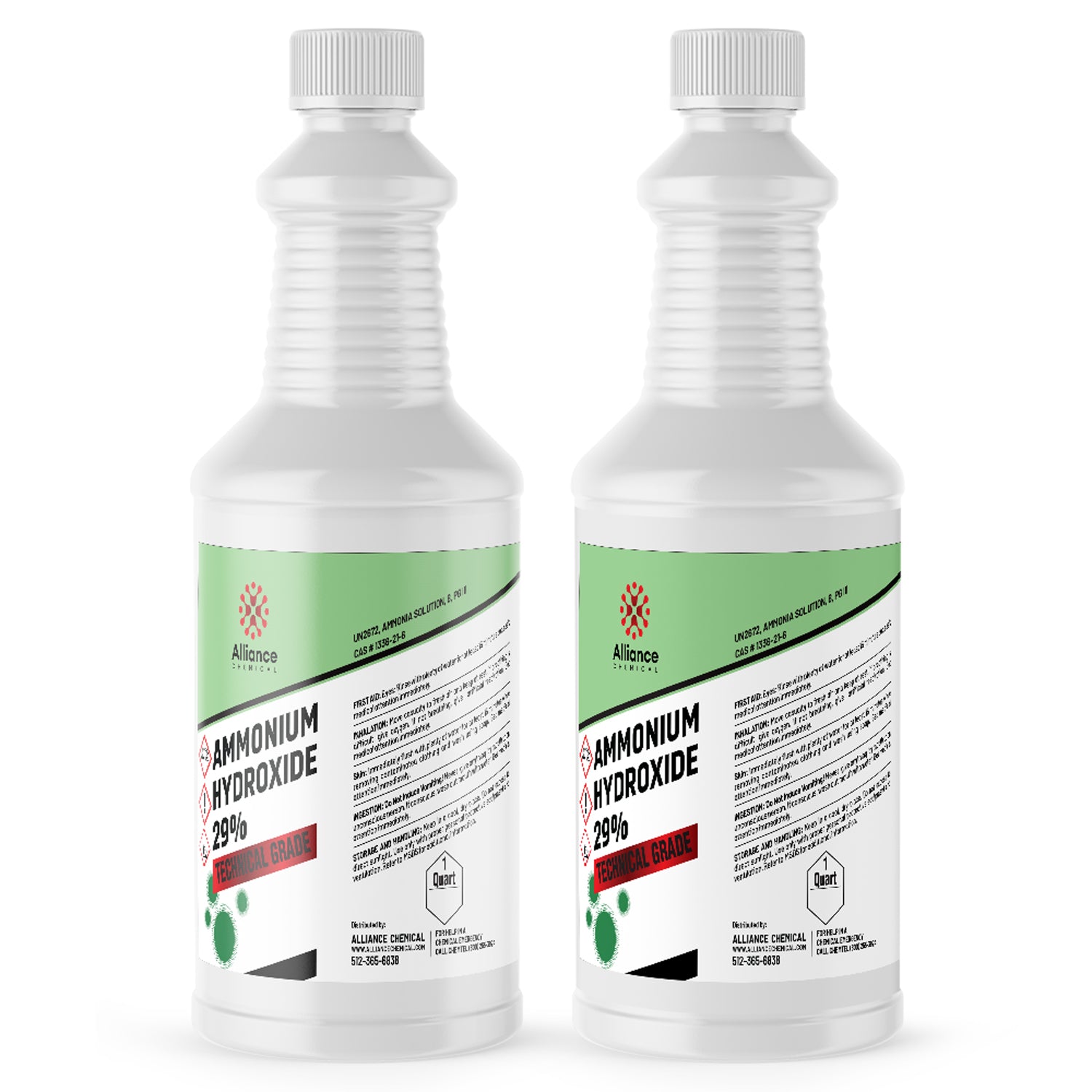

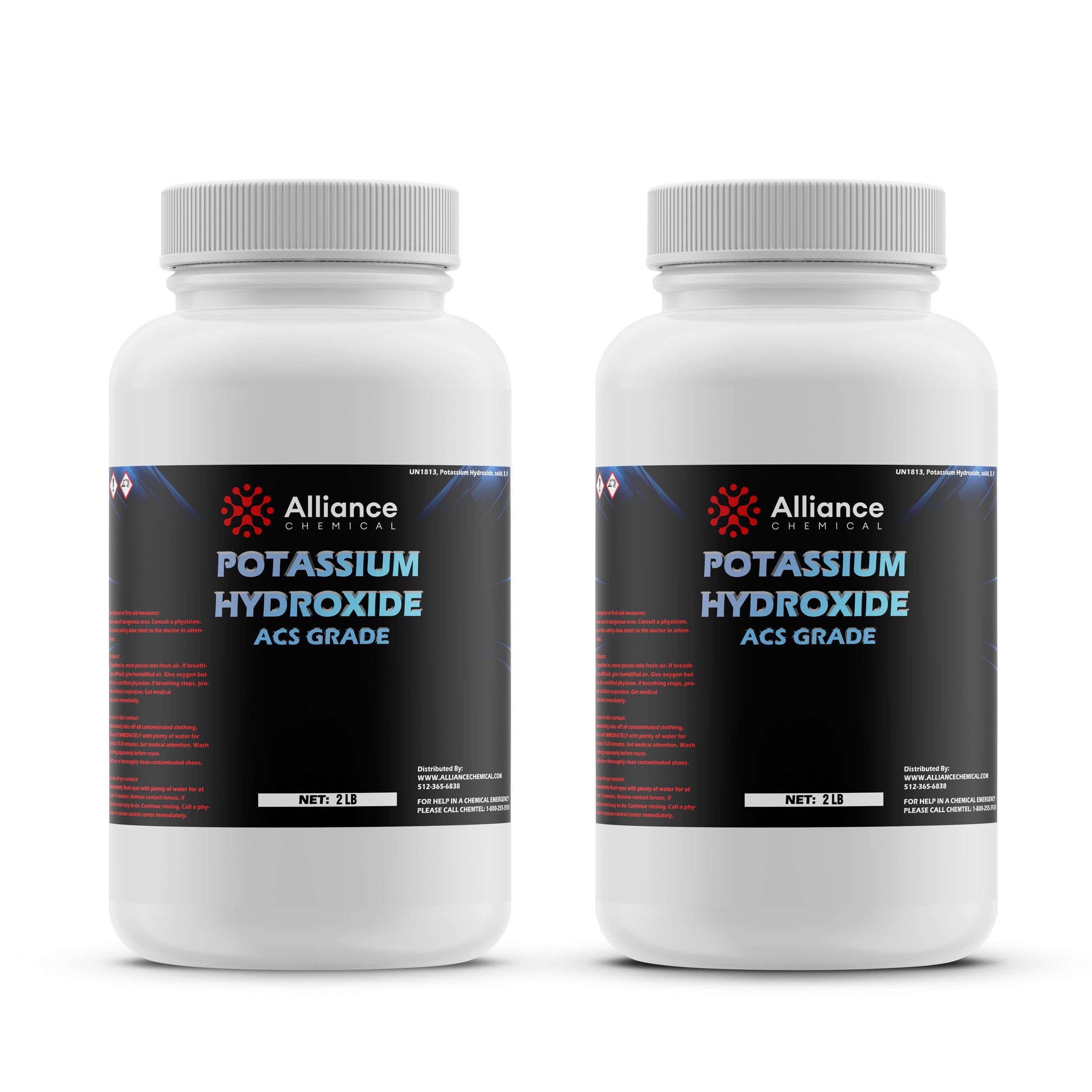


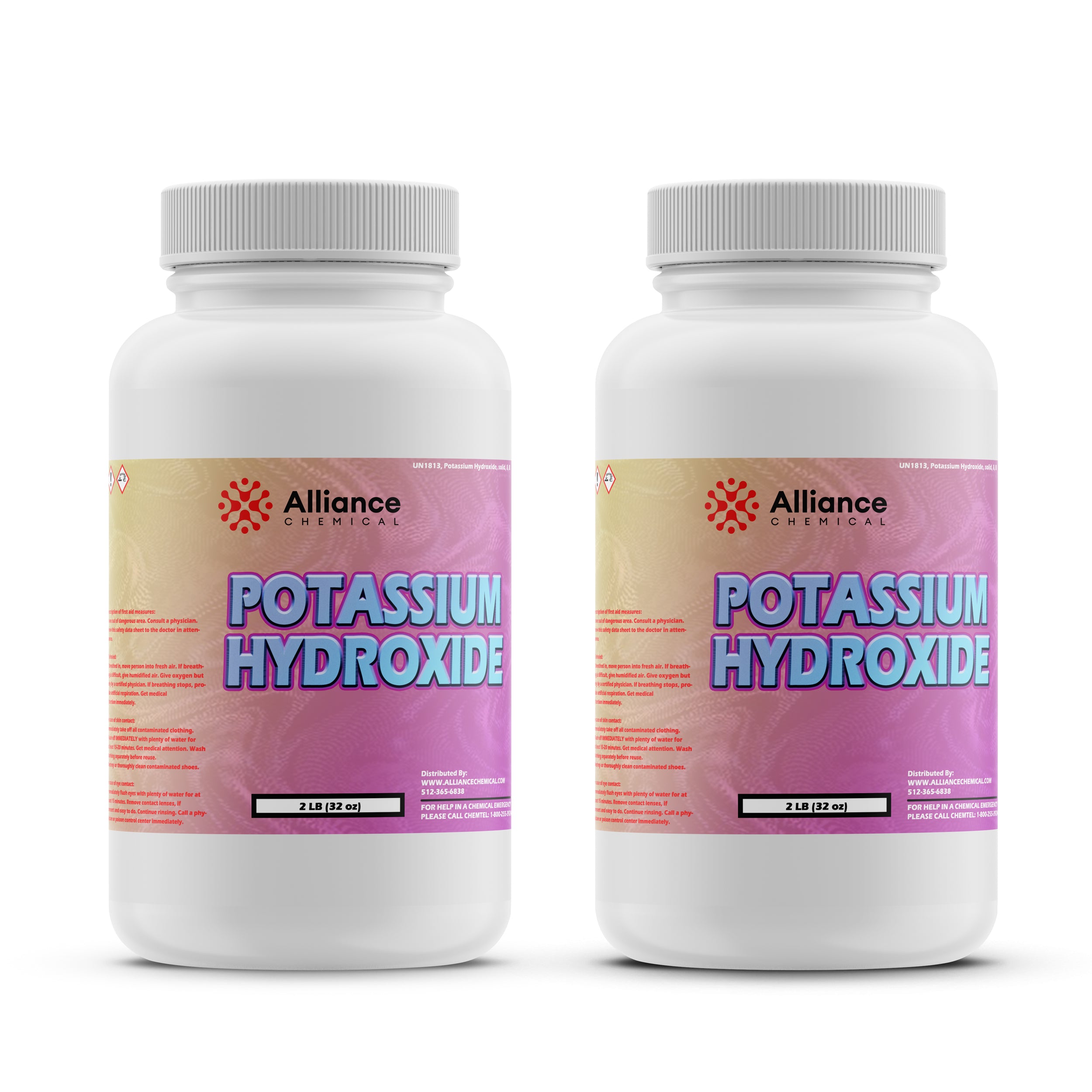

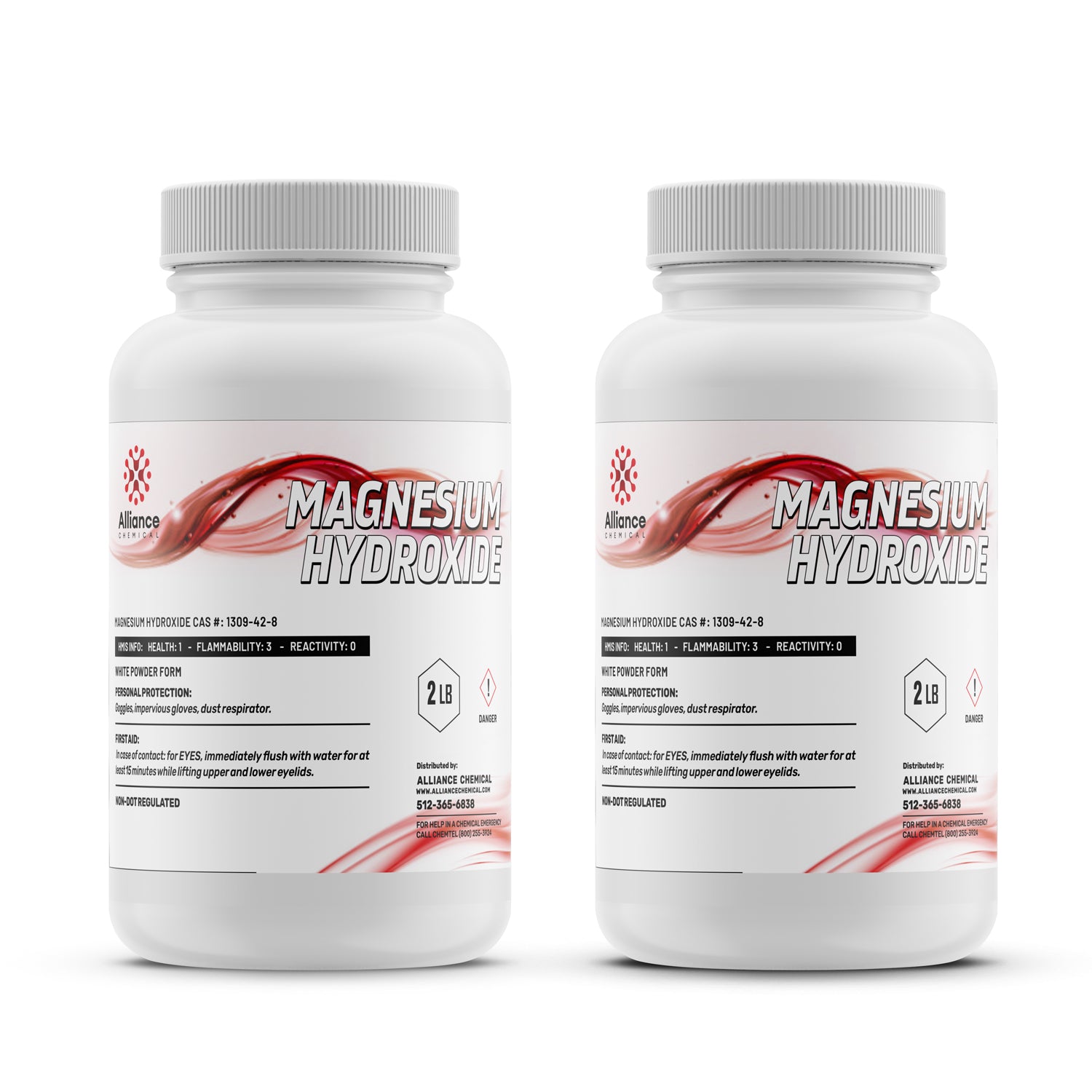

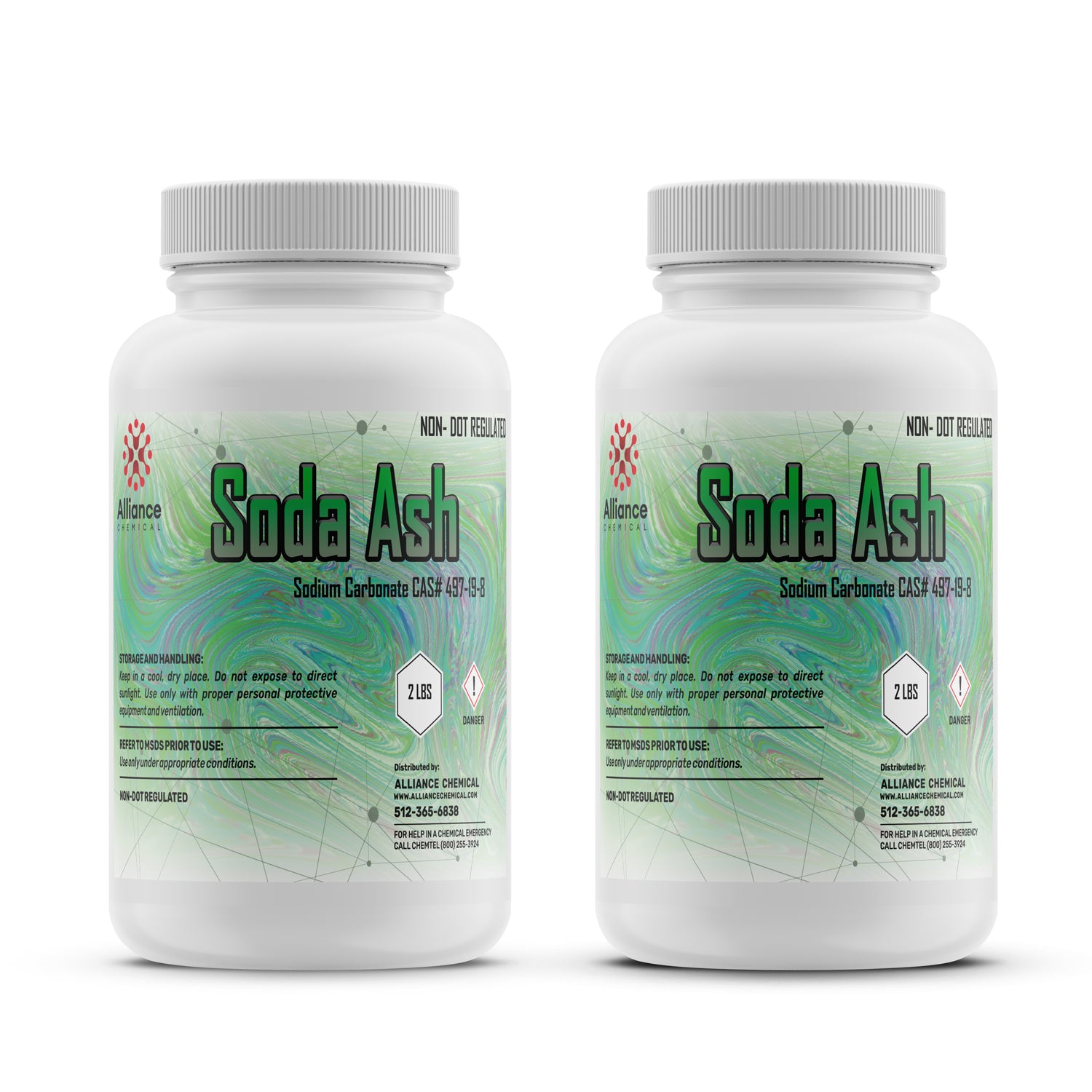
Bases and Caustics are high-pH alkaline compounds, such as Sodium Hydroxide (CAS 1310-73-2) and Potassium Hydroxide (CAS 1310-58-3), that are essential for neutralization, hydrolysis, and saponification in industrial chemistry. These substances, often referred to as lye or caustic soda/potash, are characterized by their ability to react with acids to form salts and their high reactivity with organic matter. They are fundamental in applications ranging from municipal water treatment to precision electronics manufacturing due to their consistent alkalinity and catalytic properties.
Alliance Chemical stocks a comprehensive inventory of bases in liquid and solid forms across multiple purity levels. We offer concentrations ranging from 10% solutions to 99% anhydrous flakes and pellets to meet specific process requirements.
| Grade | Purity / Standard | Best For |
|---|---|---|
| ACS Grade | 97% Minimum Purity | Laboratory research, analytical testing, and pharmaceutical synthesis. |
| Food Grade (FCC) | Meets Food Chemical Codex | Food processing (lye-curing), beverage plant CIP, and food additives. |
| Membrane Grade | Low Salt/Impurity | Standard industrial processing and chemical manufacturing. |
| Technical Grade | Industrial Standard | Drain maintenance, soap making, and heavy-duty degreasing. |
Available packaging includes 1-quart bottles, 1-gallon jugs, 5-gallon pails, 55-gallon drums, and 275-gallon IBC totes. Custom dilutions and specialty formulations are available upon request.
Bases and caustics are classified as GHS05 Corrosive and can cause severe chemical burns and permanent eye damage upon contact. These materials are highly exothermic when diluted in water; always add the chemical to water slowly, never water to the chemical, to prevent violent boiling or splashing.
Strict adherence to OSHA 29 CFR 1910.1200 (Hazard Communication) and OSHA 29 CFR 1910.132 (PPE) is required. Mandatory PPE includes chemical-splash goggles, face shields, neoprene or nitrile gloves, and alkali-resistant aprons. Store bases in a cool, dry area away from strong acids, oxidizers, and reactive metals like aluminum, zinc, and tin, which can react to generate flammable hydrogen gas. Refer to NFPA 704 ratings, typically Health 3, Flammability 0, and Instability 1 for concentrated hydroxides. For disposal, follow EPA RCRA guidelines for D002 corrosive hazardous waste (pH ≥ 12.5). In case of contact, flush the affected area with water for at least 15-20 minutes and seek immediate medical attention. View our Safety Data Sheets for detailed response protocols.
Shipped from Taylor, Texas — same-day on in-stock items.
COA included with every order. Certificate of Analysis documents lot-specific purity and specifications.
28 years serving 55,000+ customers including 244 federal contracts.
Last updated: March 2026


See how bases and caustics products are used across different industries.
Process chemicals for electroplating, anodizing, pickling, passivation, and precision degreasing — from...
Learn more →Food-grade, USP, and FCC-compliant chemicals for processing, CIP cleaning, pH adjustment, and...
Learn more →Coagulants, pH adjustment chemicals, and process treatment chemicals for municipal water systems,...
Learn more →High-purity solvents for botanical extraction, winterization, and post-processing — with full lot...
Learn more →| Price |
|---|
| SKU |
| Rating |
| Discount |
| Vendor |
| Tags |
| Weight |
| Stock |
| Short Description |
Quick and easy COA request for your Alliance Chemical products
We'll email your Certificate(s) of Analysis within 1-2 business days.
Find and download the SDS for your products.