

How to Neutralize a Sulfuric Acid Spill: Complete Industrial Response Guide
Table of Contents
What you will learn
📋 What You'll Learn
This guide walks you through how to neutralize a sulfuric acid spill: complete industrial response guide with detailed instructions.
A sulfuric acid spill represents one of the most serious chemical emergencies in industrial settings. Whether you're managing a battery manufacturing facility, operating a metal finishing shop, or running a wastewater treatment plant, knowing how to neutralize a sulfuric acid spill safely and effectively is not optional—it's a regulatory requirement and a matter of worker safety. This comprehensive guide walks you through the science, procedures, and materials needed to respond to sulfuric acid incidents with confidence.
Sulfuric acid (H₂SO₄) is the world's most widely produced industrial chemical, with applications spanning automotive batteries, metal anodizing, metal pickling, and water treatment. Its prevalence means spills happen—and when they do, the response must be immediate, methodical, and backed by proper training and materials.
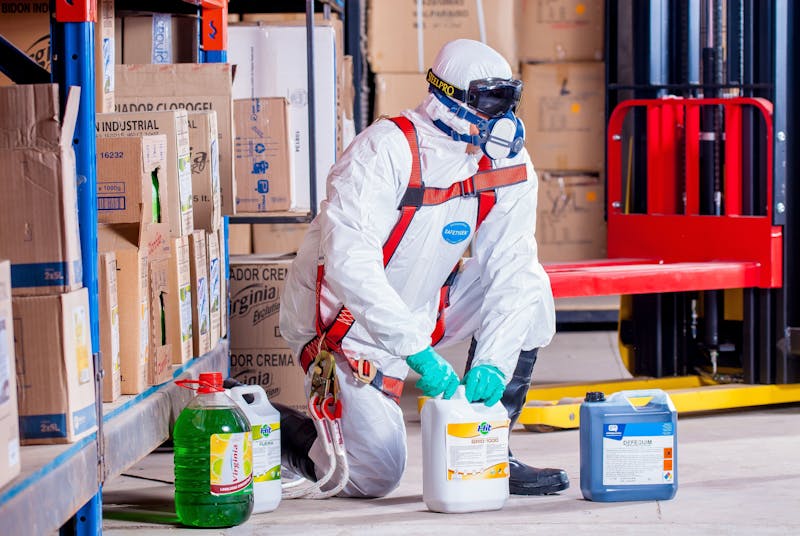
Full chemical suit with respirator — the standard for facilities handling concentrated sulfuric acid.
Understanding Sulfuric Acid Hazards and Spill Classifications
Before attempting any neutralization, responders must understand what makes sulfuric acid uniquely dangerous. Unlike many industrial chemicals, sulfuric acid presents multiple simultaneous hazards that compound during a spill event.
Concentrated sulfuric acid (93-98%) is intensely hygroscopic—it absorbs water so aggressively that contact with organic materials, including human skin, causes rapid dehydration and severe chemical burns. The reaction with water is highly exothermic, releasing significant heat that can cause thermal burns in addition to chemical damage. For detailed information on concentrated acid properties, see our Complete Sulfuric Acid Concentration Guide.
| Spill Classification | Volume Range | Response Level | Typical Response Team |
|---|---|---|---|
| Incidental | < 1 liter | Trained employee response | 1-2 trained workers |
| Minor | 1-10 liters | Spill team response | 2-4 trained personnel |
| Moderate | 10-55 gallons | Emergency response team | 4-6 HAZMAT trained |
| Major | > 55 gallons | External HAZMAT required | Professional responders |
The concentration of the spilled acid dramatically affects response strategy. 93% technical grade sulfuric acid reacts violently with water and requires careful, slow neutralization. Battery acid at 37% concentration, while still hazardous, generates less heat during neutralization and can be managed with standard spill response procedures.
Essential Personal Protective Equipment for Acid Spill Response
Proper PPE is non-negotiable when responding to sulfuric acid spills. The chemical safety protocols for acid response require specific equipment rated for corrosive environments.
| PPE Item | Minimum Specification | Protection Against | Notes |
|---|---|---|---|
| Face Shield | ANSI Z87.1 rated, full face | Splash, aerosols | Must cover neck |
| Safety Goggles | Chemical splash, indirect vent | Liquid, vapor | Wear under face shield |
| Gloves | Butyl rubber, 14+ mil thickness | Acid permeation | Check breakthrough time |
| Boots | Neoprene or PVC, steel toe | Acid pooling, heavy objects | Boot covers acceptable |
| Apron/Suit | Acid-resistant PVC or neoprene | Body splash | Full suit for >10 gal spills |
| Respirator | Full-face with acid gas cartridge | SO₂, acid mist | Required if ventilation poor |
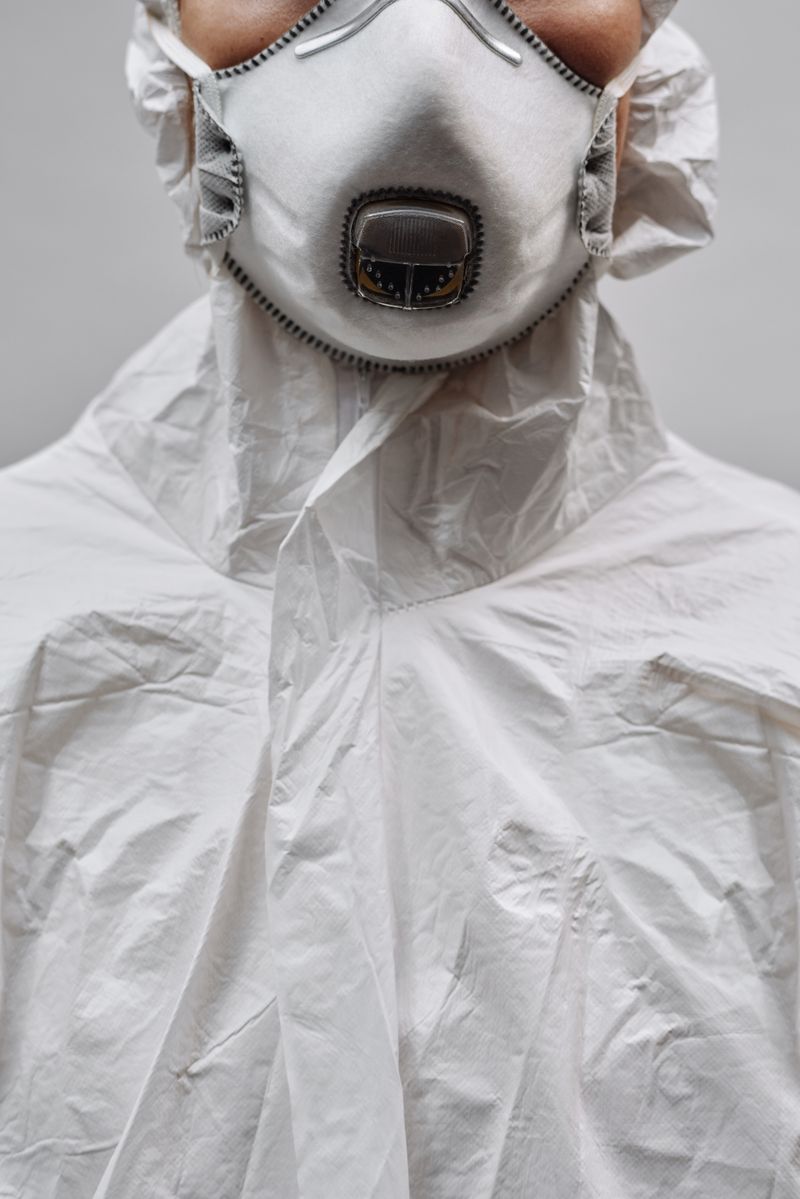
Always verify glove material ratings against the specific acid concentration before entering a spill zone.
Butyl rubber gloves provide the best protection against sulfuric acid, with breakthrough times exceeding 8 hours for concentrated acid. Nitrile gloves, commonly used for general chemical handling, offer inadequate protection—sulfuric acid permeates standard nitrile in under 10 minutes. This distinction matters: using the wrong glove material can result in severe burns despite wearing "protection."
For guidance on selecting appropriate protective equipment and understanding chemical compatibility, review our Chemical Compatibility Chart Guide.
Neutralizing Agent Selection: Chemistry and Practical Considerations
Neutralization converts hazardous sulfuric acid into relatively harmless sulfate salts and water. The choice of neutralizing agent depends on spill size, acid concentration, available materials, and disposal considerations. Understanding the underlying chemistry helps responders make informed decisions under pressure.
The neutralization reaction follows this general pattern:
H₂SO₄ + 2 Base → Sulfate Salt + 2 H₂O + Heat
All neutralization reactions are exothermic. The heat released varies significantly by neutralizing agent, and managing this thermal output is crucial for safe spill response.
| Neutralizing Agent | Chemical Formula | Reaction Heat | Best Applications | Considerations |
|---|---|---|---|---|
| Sodium Bicarbonate | NaHCO₃ | Low | Small spills, sensitive areas | Slow reaction, CO₂ generation |
| Sodium Carbonate (Soda Ash) | Na₂CO₃ | Moderate | Medium spills, general purpose | More reactive than bicarbonate |
| Calcium Carbonate (Limestone) | CaCite | Low | Large outdoor spills | Slow, may leave calcium sulfate residue |
| Calcium Hydroxide (Hydrated Lime) | Ca(OH)₂ | Moderate-High | Industrial floor spills | Fast acting, can generate heat |
| Sodium Hydroxide | NaOH | Very High | Contained neutralization tanks | Dangerous heat—professional use only |
| Magnesium Oxide | MgO | Moderate | Commercial spill kits | Good all-around choice |
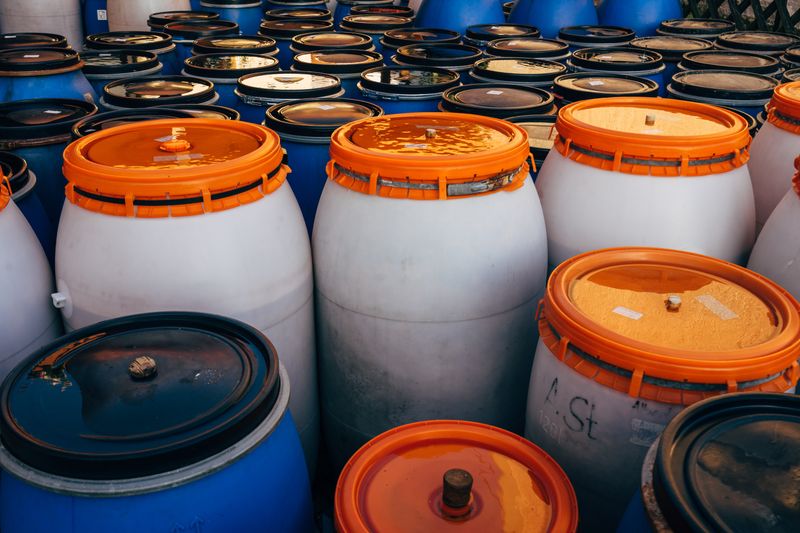
Sealed drums prevent leaks, but even small drips pooling under pallets can cause major damage over time.
Sodium bicarbonate (baking soda) is the safest choice for most industrial settings. The reaction proceeds slowly enough to manage heat generation, and the carbon dioxide bubbling provides visual confirmation that neutralization is occurring. For small spills under 1 liter, sodium bicarbonate is often the only neutralizing agent needed.
Soda ash (sodium carbonate) reacts more vigorously than bicarbonate and neutralizes acid faster. Wineries and food processing facilities often keep soda ash on hand—our Winemaker's Guide to Cleaning with Soda Ash covers its dual-purpose utility. For acid spill response, apply soda ash gradually to avoid excessive heat buildup.
Hydrated lime (calcium hydroxide) is cost-effective for large spills and is commonly used in industrial settings where bulk neutralizing agents are economical. However, the reaction generates significant heat, and the resulting calcium sulfate can form a hard crust that complicates cleanup. Facilities using lime for neutralization should also have water treatment capabilities to manage runoff pH.
Step-by-Step Sulfuric Acid Spill Response Procedure
Effective spill response follows a systematic approach that prioritizes human safety, contains the hazard, and then addresses neutralization and cleanup. Rushing to neutralize before properly assessing and containing the spill often makes the situation worse.
Phase 1: Immediate Assessment and Evacuation (0-2 minutes)
- Alert personnel – Activate alarms if available; verbally warn nearby workers
- Assess injuries – If anyone has acid contact, begin emergency decontamination immediately (see section below)
- Identify the acid – Confirm it's sulfuric acid and estimate concentration from container labels or SDS
- Estimate volume – Determine spill classification to guide response level
- Evaluate ventilation – Concentrated acid fumes require respiratory protection; ensure adequate airflow
- Establish exclusion zone – Clear non-essential personnel from the area
Phase 2: Containment (2-5 minutes)
- Don appropriate PPE – Do not approach the spill without proper protection
- Stop the source – If acid is still leaking, upright containers or close valves if safe to do so
- Apply absorbent dikes – Use acid-resistant absorbent materials to prevent spread toward drains, equipment, or personnel areas
- Protect drains – Cover floor drains with drain covers or absorbent materials; acid in the sewer system creates major environmental and infrastructure problems
Proper containment prevents a manageable spill from becoming an environmental incident. Our Guide to Safer Sulfuric Acid Storage covers secondary containment requirements that minimize spill spread.
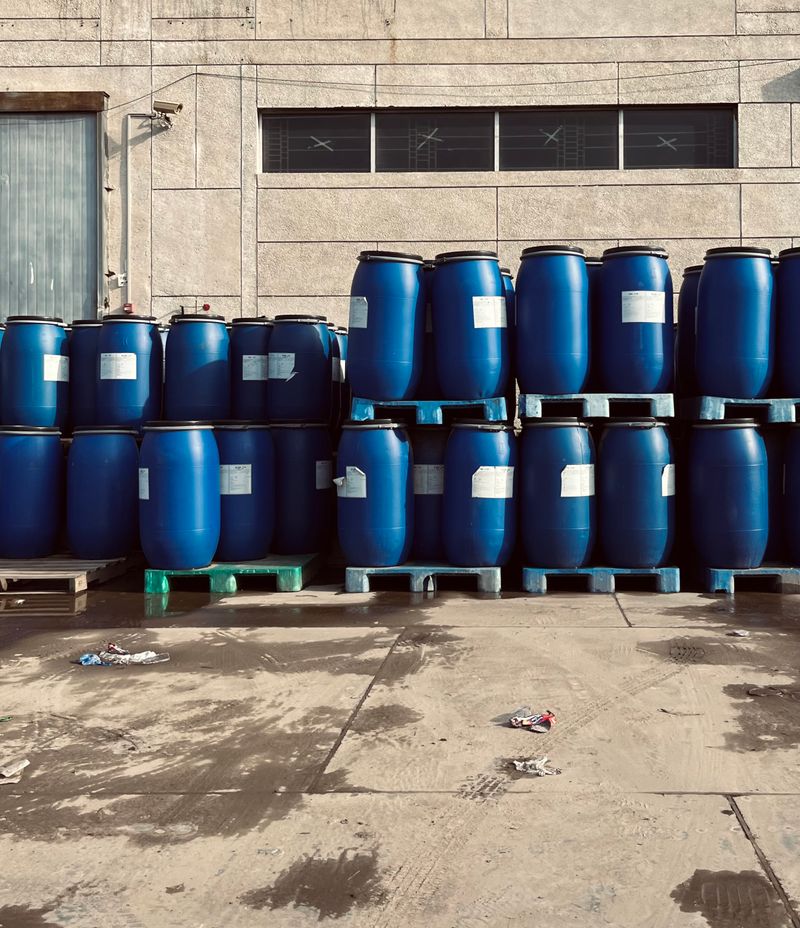
Blue poly drums are common for acid storage — note the labels and secondary containment area.
Phase 3: Neutralization (5-30+ minutes)
- Apply neutralizing agent from the perimeter – Work from the outside edges toward the center, never step into the spill
- Add agent gradually – Sprinkle or gently distribute; do not dump large quantities at once
- Allow fizzing to subside – The bubbling indicates active neutralization; wait for it to slow before adding more
- Test pH periodically – Use pH paper or a pH meter; target pH 6-8 for safe disposal
- Continue until neutral – Residual acid pockets can cause burns during cleanup; be thorough
Phase 4: Cleanup and Disposal
- Collect neutralized material – Use plastic shovels and acid-resistant containers
- Triple-rinse the area – Use water to remove residual salts and acid traces
- Test rinse water pH – Ensure it's neutral before allowing it to enter drains
- Dispose properly – Neutralized material is typically non-hazardous but check local regulations
- Document the incident – Record spill volume, response actions, personnel involved, and disposal method
Waste disposal requirements vary by jurisdiction. Neutralized sulfuric acid becomes sodium sulfate (if using sodium-based neutralizers) or calcium sulfate (if using lime), both of which are generally non-hazardous. However, if the original acid contained contaminants—such as metals from electroplating operations—the neutralized waste may require hazardous waste handling.
Emergency Decontamination for Acid Exposure
Human exposure to sulfuric acid demands immediate action. The severity of chemical burns increases exponentially with contact time—every second of delay worsens the injury.
Skin Contact Protocol
- Begin flushing immediately – Use the nearest water source; do not waste time finding "ideal" water
- Remove contaminated clothing – While flushing, cut away or remove clothing that contacted acid
- Flush for minimum 20 minutes – Time this; it feels much longer than it is. For concentrated acid (>50%), flush for 60 minutes
- Do not apply neutralizing agents to skin – The neutralization reaction generates heat that causes additional burns
- Seek medical attention – Even minor-appearing acid burns can worsen over time
Eye Contact Protocol
- Flush immediately at eyewash station – Hold eyelids open; direct water across the eyeball, not directly into it
- Flush for minimum 20 minutes for dilute acid, 60 minutes for concentrated – Do not stop early
- Remove contact lenses – If present, remove during flushing
- Keep flushing during transport – If medical facility is not on-site, continue flushing en route
- Emergency medical care is mandatory – Eye exposure to sulfuric acid requires ophthalmological evaluation
Facilities handling sulfuric acid must maintain emergency eyewash stations and safety showers within 10 seconds of travel time from all acid use areas. Regular testing and maintenance of this equipment is essential—an eyewash that doesn't work is worse than none at all, because workers may delay reaching an alternative. OSHA 29 CFR 1910.151 specifies requirements; your safety audit protocols should include monthly eyewash verification.
Calculating Neutralizing Agent Quantities
Having enough neutralizing agent on hand—but not dramatically over-applying—requires understanding the stoichiometry of acid-base reactions. These calculations help facilities stock appropriate quantities and responders estimate material needs during an incident.
Sulfuric acid is diprotic, meaning each molecule can donate two hydrogen ions. This affects the amount of neutralizing agent required.
| Acid Concentration | Acid Density (g/mL) | NaHCO₃ Needed (per liter acid) | Na₂CO₃ Needed (per liter acid) | Ca(OH)₂ Needed (per liter acid) |
|---|---|---|---|---|
| Battery Acid (37%) | 1.28 | 0.81 kg | 0.51 kg | 0.36 kg |
| Technical (50%) | 1.40 | 1.20 kg | 0.76 kg | 0.53 kg |
| Concentrated (93%) | 1.83 | 2.86 kg | 1.80 kg | 1.26 kg |
| Concentrated (98%) | 1.84 | 3.03 kg | 1.90 kg | 1.33 kg |
These values represent theoretical minimums. In practice, apply 25-50% excess to account for incomplete mixing, acid that has soaked into concrete or other surfaces, and the need to achieve a slightly basic final pH for safe disposal.
For facilities that regularly handle sulfuric acid, maintaining a neutralizing agent inventory equal to at least 1.5 times the largest single container is a reasonable baseline. If your maximum container is a 55-gallon drum of 93% sulfuric acid, keep at least 430 kg (950 lbs) of sodium bicarbonate or equivalent available.
Understanding acid concentrations and dilution mathematics helps in spill response and everyday operations. Our Chemist's Guide to Chemical Dilution covers the principles, while Mastering pH Balance explains the logarithmic nature of pH and why neutralization endpoint matters.
Special Considerations for Different Spill Environments
Not all sulfuric acid spills occur on clean concrete floors. The environment significantly affects response strategy, cleanup complexity, and potential for secondary damage.
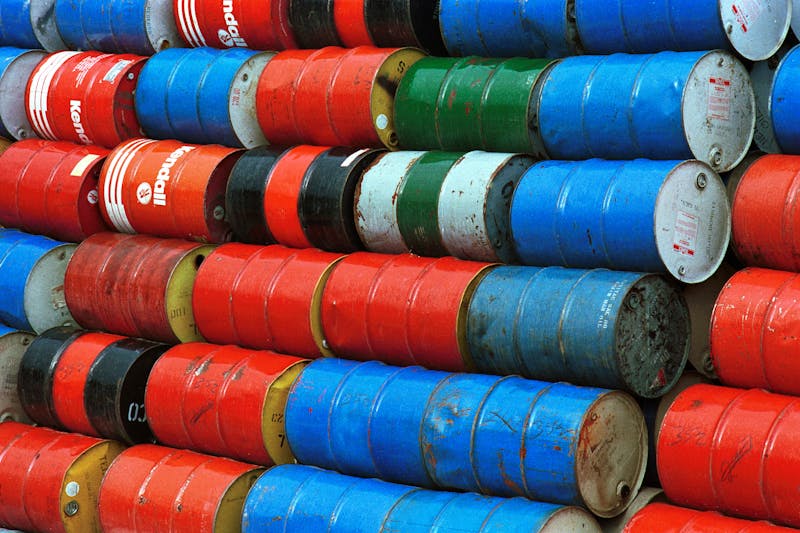
Spill response varies dramatically by surface type and proximity to drains or waterways.
Concrete and Masonry Surfaces
Sulfuric acid reacts with calcium compounds in concrete, causing surface degradation and allowing acid to penetrate into the substrate. This reaction continues until the acid is fully neutralized, meaning quick response prevents structural damage.
After neutralization, concrete may require resurfacing or patching. The white, powdery residue left after neutralization (calcium sulfate/gypite) is not structurally significant and can be swept or vacuumed away.
Soil and Outdoor Environments
Outdoor spills present containment challenges but offer natural buffering capacity. Soil minerals react with acid, and natural dilution occurs more readily. However, groundwater contamination becomes a concern with larger spills.
Lime-based neutralizers work well for soil applications—the resulting calcium sulfate (gypsum) is actually a soil amendment used in agriculture. For environmental compliance, document the spill, response actions, and post-remediation soil testing results.
Near Electrical Equipment
Sulfuric acid from battery systems presents special hazards near electrical equipment. Before responding:
- De-energize equipment if possible
- Use dry neutralizing agents first, avoiding water that could create electrical hazards
- Be aware of hydrogen gas evolution from lead-acid batteries—ensure ventilation before neutralization
- Do not use metal tools near live electrical components
Battery acid spills often involve lead contamination, requiring specialized disposal procedures. See our Battery Acid vs. Battery Water Guide and Battery Acid Availability Guide for related information.
Process Equipment and Tanks
Spills inside or around process equipment may require specialized response to protect sensitive components. Acid can damage cooling systems, heat exchangers, pumps, and instrumentation.
Rinse vulnerable equipment with copious water after neutralization is complete. For precision equipment like sensors and control devices, follow manufacturer decontamination procedures.
Regulatory Compliance and Documentation Requirements
Sulfuric acid is regulated under multiple frameworks, and spill events trigger specific reporting and documentation requirements. Non-compliance carries significant penalties and liability exposure.
OSHA Requirements
OSHA's Hazard Communication Standard (29 CFR 1910.1200) requires:
- Safety Data Sheets accessible for all hazardous chemicals—Alliance Chemical provides an SDS with every sulfuric acid order
- Employee training on chemical hazards and emergency procedures
- Written hazard communication program
OSHA's Process Safety Management standard (29 CFR 1910.119) may apply to facilities with large quantities of highly hazardous chemicals.
EPA Reporting Requirements
Under CERCLA (Superfund) and EPCRA, sulfuric acid spills exceeding 1,000 pounds (approximately 70 gallons of concentrated acid) must be reported to:
- National Response Center: 1-800-424-8802
- State Emergency Response Commission (SERC)
- Local Emergency Planning Committee (LEPC)
Reporting must occur immediately upon discovery of a reportable release.
Documentation Best Practices
Even for spills below reporting thresholds, maintain records including:
- Date, time, and location of spill
- Estimated quantity and concentration
- Cause of spill
- Personnel involved in response
- PPE used
- Neutralizing agents and quantities applied
- Disposal method and destination
- Corrective actions to prevent recurrence
These records support regulatory compliance, continuous improvement, and liability protection. For comprehensive chemical management documentation, review our guide on How to Read a Certificate of Analysis—understanding COAs helps verify that materials meet specifications and supports traceability.
Building an Effective Sulfuric Acid Spill Response Program
Individual spill response competency matters, but organizational preparedness determines whether incidents become emergencies. A structured spill response program transforms reactive scrambling into confident, effective action.
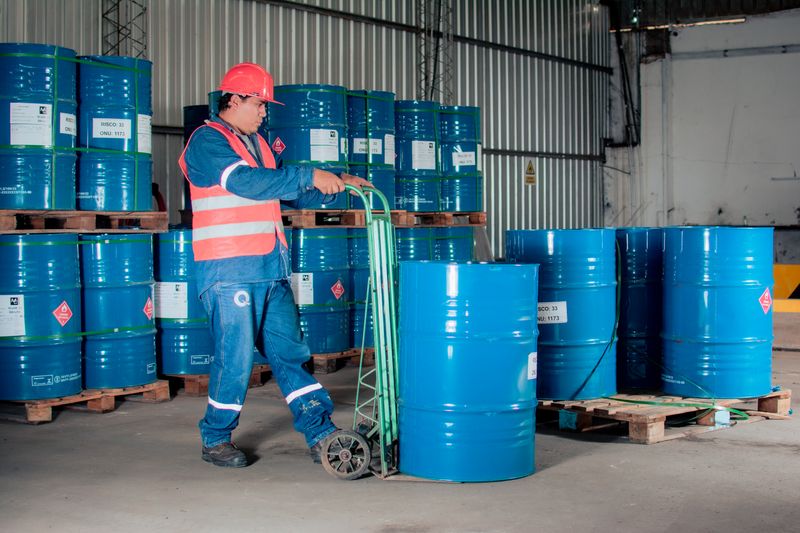
Warehouse teams that drill quarterly respond 3-4x faster than those relying on annual classroom training alone.
Training Requirements
OSHA distinguishes between "incidental" spills that trained employees can handle and "emergency" spills requiring HAZMAT-trained responders:
- General employees: Awareness training on hazards, evacuation procedures, and when to call for help
- Designated responders: Hands-on training in PPE use, containment, and neutralization procedures
- Emergency response team: 24-hour HAZWOPER training per 29 CFR 1910.120(q)
Training must be documented and refreshed annually. Include practical exercises with simulated spills—knowing procedures intellectually differs from executing them under stress.
Spill Kit Contents and Placement
Pre-positioned spill kits enable rapid response. For sulfuric acid areas, kits should include:
- Appropriate PPE (butyl rubber gloves, face shield, chemical-resistant apron)
- Neutralizing agent (sodium bicarbonate or commercial acid neutralizer)
- pH paper or portable pH meter
- Acid-resistant absorbent materials
- Plastic scoops and containers for collecting waste
- Drain covers
- Caution tape or barrier materials
Position kits within 25 feet of sulfuric acid storage and use areas. Inspect monthly and immediately replenish after any use.
Integration with Overall Chemical Safety
Sulfuric acid spill response fits within broader chemical safety management. Facilities using sulfuric acid likely also handle other industrial acids, bases, and solvents. Ensure:
- Chemical segregation prevents reactive combinations—see our Professional's Guide to Chemical Storage
- Secondary containment is properly sized and maintained
- Emergency equipment (eyewash, showers, ventilation) is tested regularly
- Spill response integrates with emergency action plans and fire department coordination
Need Sulfuric Acid or Neutralizing Agents?
Alliance Chemical supplies sulfuric acid in concentrations from 37% to 98%, along with sodium bicarbonate, soda ash, and hydrated lime for neutralization. Every order includes an SDS, and Certificates of Analysis are available per lot. Trusted by DOD, DLA, NASA, and industrial facilities since 1998.
Browse Sulfuric Acid ProductsConclusion
Knowing how to neutralize a sulfuric acid spill combines chemistry knowledge, procedural discipline, and organizational preparation. The key principles are consistent: protect people first, contain the spill, neutralize gradually with appropriate agents, verify completeness with pH testing, and dispose properly. These fundamentals apply whether you're managing a minor drip from a battery or responding to a major process upset.
Effective spill response is ultimately about preparation—having the right materials, trained personnel, and practiced procedures in place before an incident occurs. Facilities that invest in prevention, detection, and response capabilities protect their workers, their operations, and their communities.
For technical questions about sulfuric acid handling, storage, or spill response materials, contact our team at sales@alliancechemical.com. Alliance Chemical has supported industrial operations with quality chemicals and technical expertise since 1998—made in the USA, with bulk pricing and purchase orders accepted. CAGE Code 1LT50.
For industrial use only. This guide provides general information and does not constitute professional safety advice. Consult applicable regulations and qualified safety professionals for site-specific guidance.
Frequently Asked Questions
What is the best neutralizing agent for a sulfuric acid spill?
Sodium bicarbonate (baking soda) is the safest and most commonly recommended neutralizing agent for sulfuric acid spills. It reacts slowly enough to manage heat generation and provides visual confirmation of neutralization through bubbling. For larger industrial spills, soda ash (sodium carbonate) or hydrated lime (calcium hydroxide) are cost-effective alternatives, though they generate more heat during neutralization.
How much neutralizing agent do I need for a sulfuric acid spill?
The amount depends on acid concentration. For 93% concentrated sulfuric acid, you need approximately 2.86 kg of sodium bicarbonate per liter of acid spilled. For 37% battery acid, approximately 0.81 kg per liter is required. In practice, apply 25-50% excess to ensure complete neutralization, as some acid may have penetrated surfaces or formed pockets.
Can I use water to neutralize a sulfuric acid spill?
Water alone does not neutralize sulfuric acid—it only dilutes it. More importantly, adding water to concentrated sulfuric acid causes a violent exothermic reaction that can cause the acid to boil and splash. Never add water directly to concentrated sulfuric acid. For dilute acid spills, water can help spread neutralizing agents, but the neutralization requires a base like sodium bicarbonate.
What PPE is required for sulfuric acid spill response?
Minimum PPE includes chemical splash goggles, full face shield, butyl rubber gloves (14+ mil thickness), acid-resistant boots or boot covers, and a chemical-resistant apron. For spills over 10 gallons or in poorly ventilated areas, add a full chemical suit and respirator with acid gas cartridges. Standard nitrile gloves are NOT adequate—sulfuric acid permeates them in under 10 minutes.
How do I know when sulfuric acid is fully neutralized?
Test the neutralized material with pH paper or a pH meter. The target pH range is 6-8 for safe disposal. Test from the outer edges toward the center, as acid pockets may remain in the middle of the spill. The absence of bubbling when adding more neutralizing agent also indicates neutralization is complete, but pH testing provides confirmation.
Do I need to report a sulfuric acid spill to authorities?
Under federal law (CERCLA/EPCRA), sulfuric acid spills exceeding 1,000 pounds (approximately 70 gallons of concentrated acid) must be immediately reported to the National Response Center (1-800-424-8802), your State Emergency Response Commission, and Local Emergency Planning Committee. State and local regulations may have lower thresholds. Even for smaller spills, document the incident thoroughly.
What should I do if sulfuric acid contacts skin?
Immediately flush with large amounts of water for at least 20 minutes—60 minutes for concentrated acid. Remove contaminated clothing while flushing. Do NOT apply neutralizing agents like baking soda to skin, as the neutralization reaction generates heat that causes additional burns. Seek medical attention even for minor-appearing burns, as acid burns can worsen over time.


