What are common solvents used for botanical extraction?
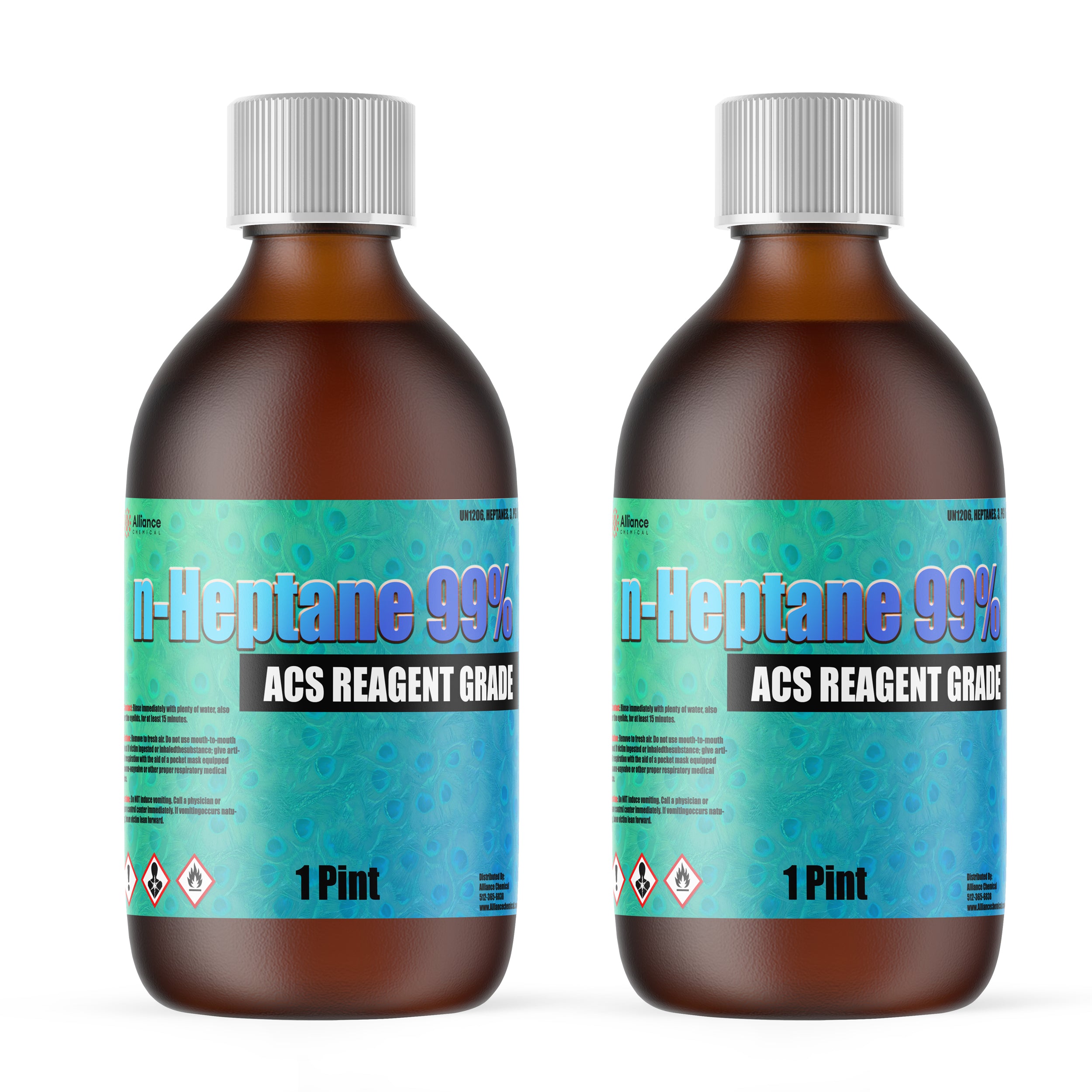
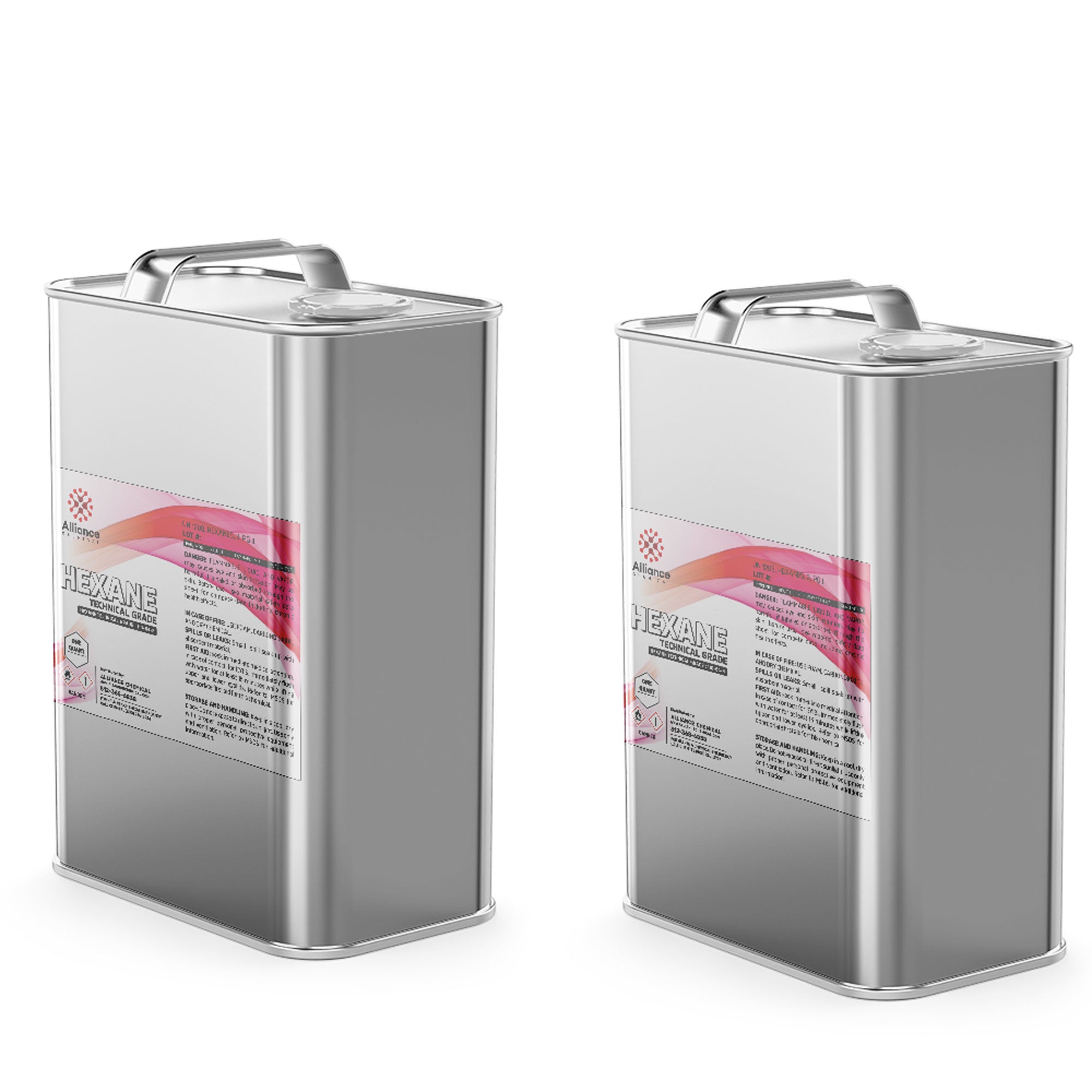
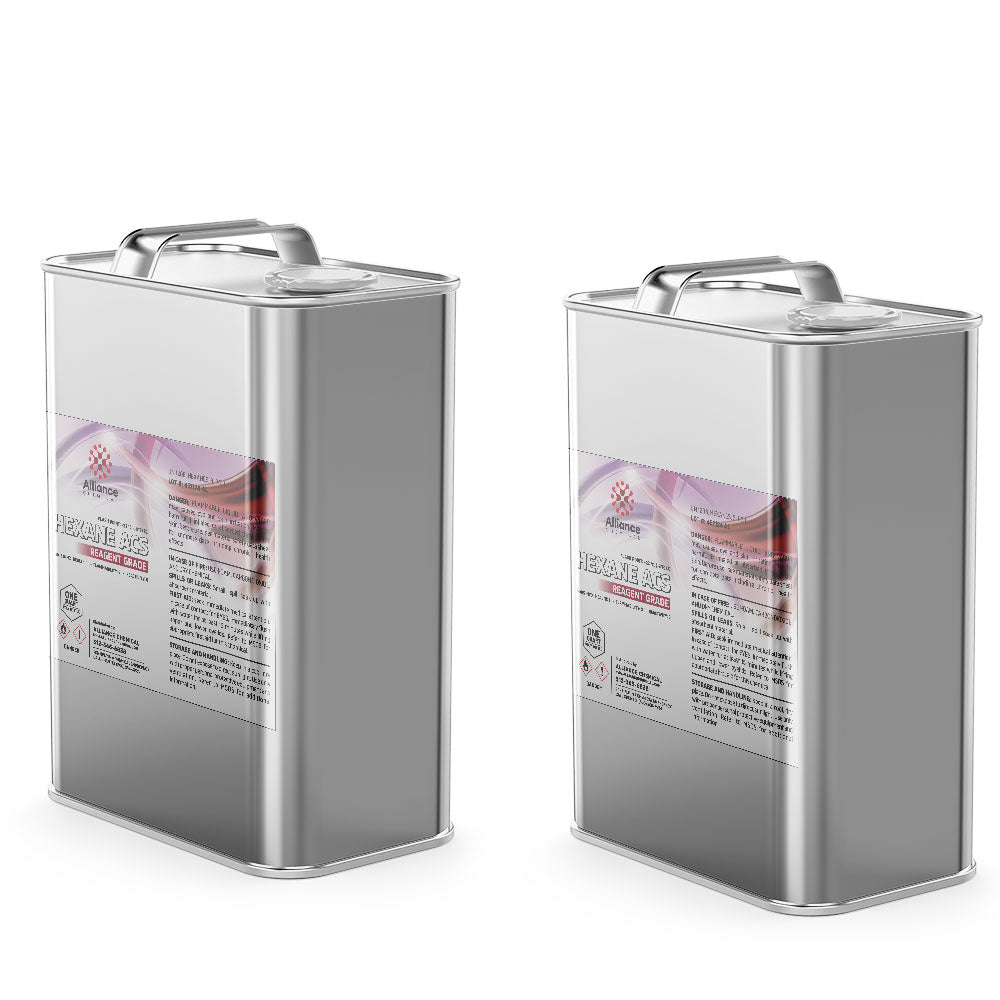
Common solvents for botanical extraction include ethanol, hexane, butane, propane, and CO2. The choice depends on the desired compounds, process scale, and safety considerations. Alliance Chemical provides high-purity solvents like hexane and ethanol specifically for these extraction processes, ensuring minimal impurities and consistent results.
Which solvent is best for food-grade flavor extraction?
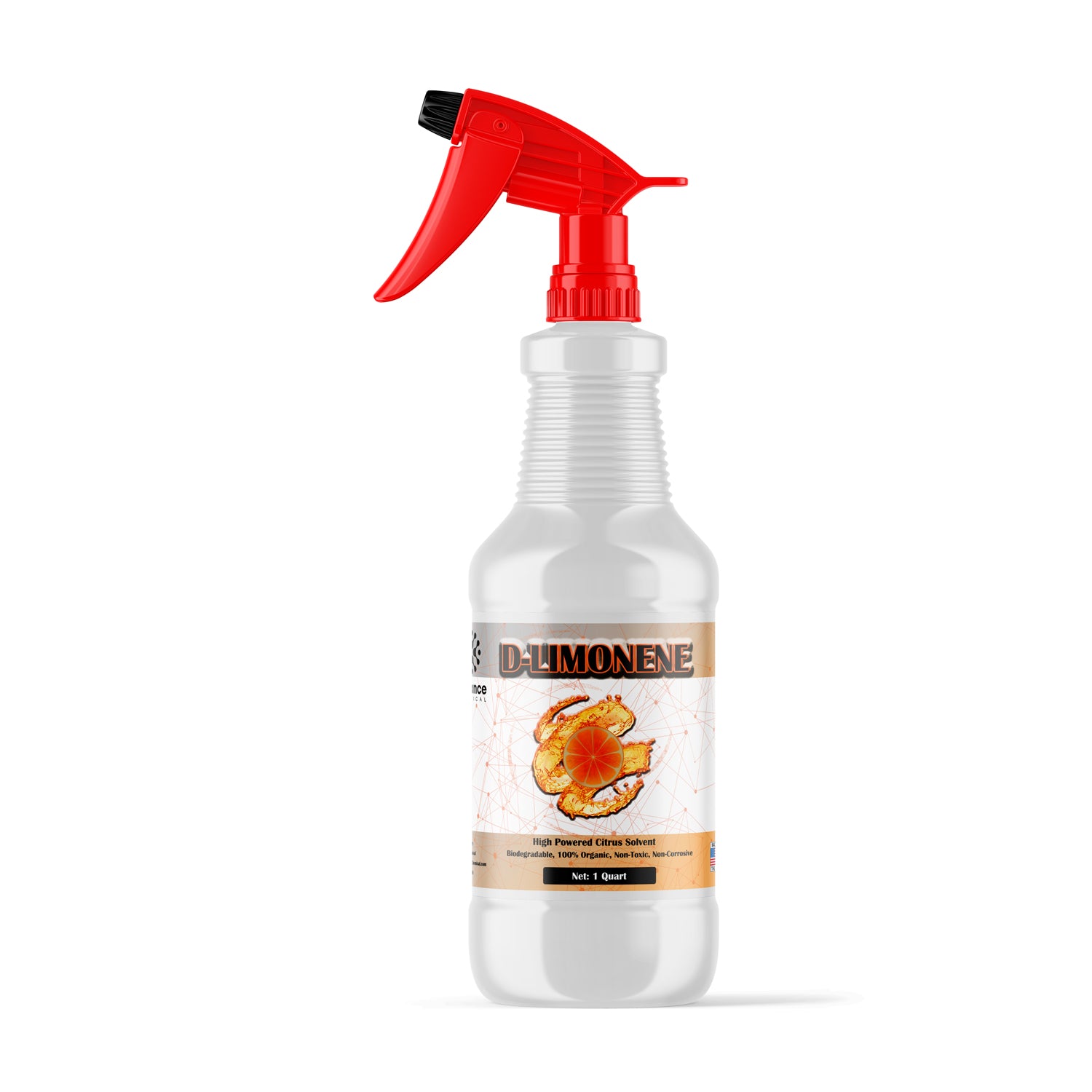
For food-grade flavor extraction, solvents like ethanol, d-Limonene, and propylene glycol are frequently used. These solvents are generally recognized as safe (GRAS) by the FDA when used correctly. Alliance Chemical offers food-grade solvents that meet stringent purity standards, ensuring the safety and quality of your final product.
How do I choose the right solvent for liquid-liquid extraction in the lab?
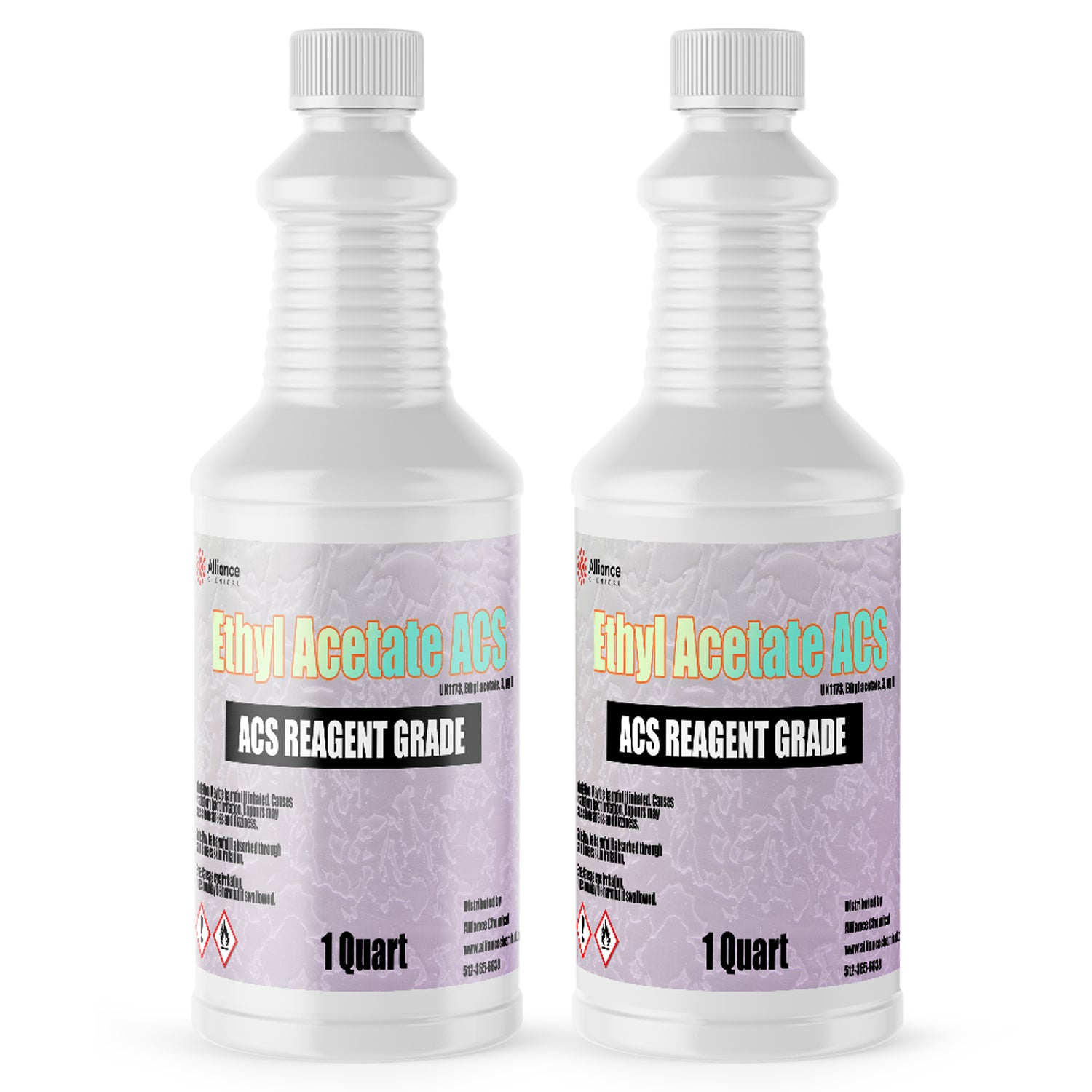
Choosing a solvent for liquid-liquid extraction depends on the target compound's solubility and the immiscibility of the solvents. Key factors include polarity, density, and boiling point. Alliance Chemical provides a range of solvents suitable for various lab applications, including ACS-grade options for demanding analytical work, along with Certificates of Analysis to confirm purity and quality.
What safety precautions should I take when using extraction solvents?
Always use extraction solvents in a well-ventilated area, wear appropriate personal protective equipment (PPE) such as gloves and safety glasses, and avoid ignition sources. Some solvents are flammable or can cause skin irritation, so always consult the Safety Data Sheet (SDS) for specific handling and storage guidelines. Alliance Chemical provides SDS documents for all our products to ensure safe use.
What purity grades of extraction solvents does Alliance Chemical offer?
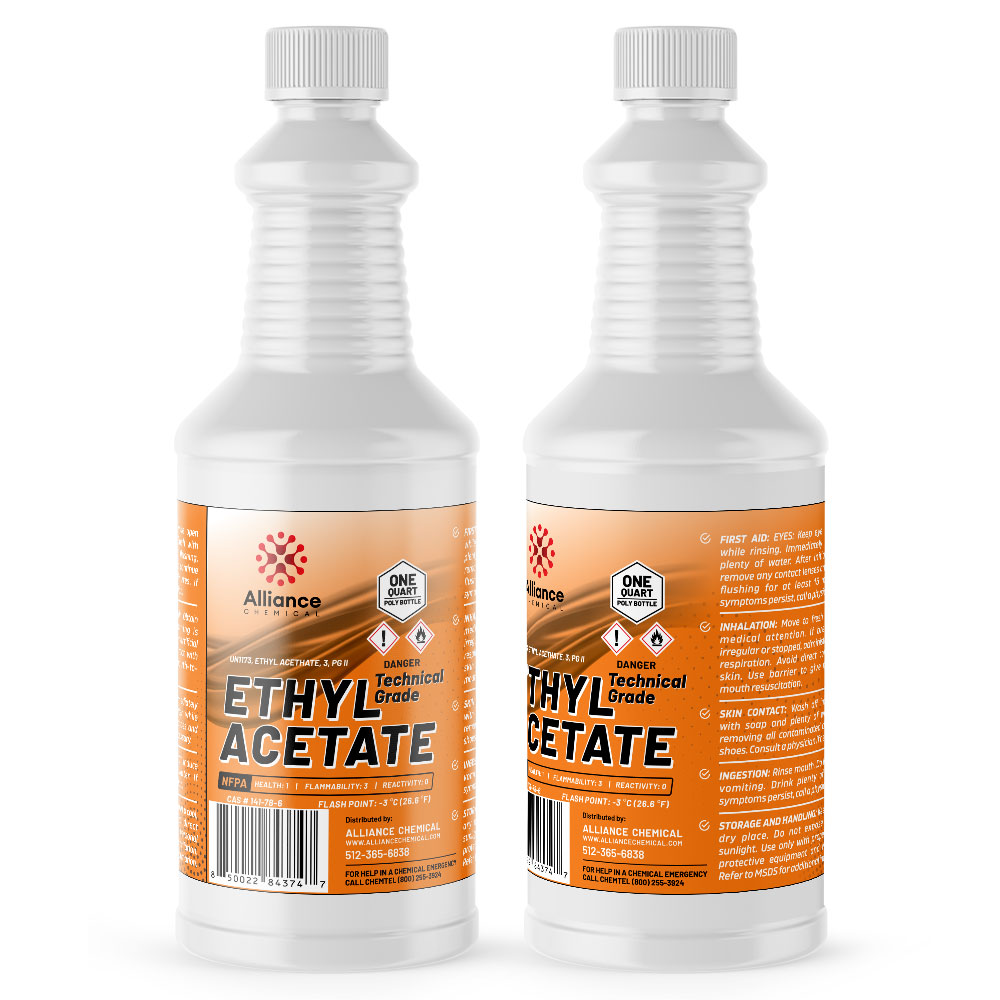
Alliance Chemical offers a variety of purity grades, including technical grade, ACS grade, and USP/Food grade, depending on the specific solvent. ACS grade solvents are suitable for laboratory applications, while USP/Food grade solvents are suitable for food and pharmaceutical applications. Review the product specifications to ensure the chosen grade meets your extraction requirements.
How should I store extraction solvents properly?
Store solvents in tightly sealed containers in a cool, dry, and well-ventilated area away from incompatible materials and ignition sources. Flammable solvents should be stored in flammable liquid storage cabinets. Consult the SDS for specific storage recommendations for each solvent. Alliance Chemical provides specific UN numbers on labels for shipping and storage compliance.
What is the difference between ethanol and isopropyl alcohol for extraction?
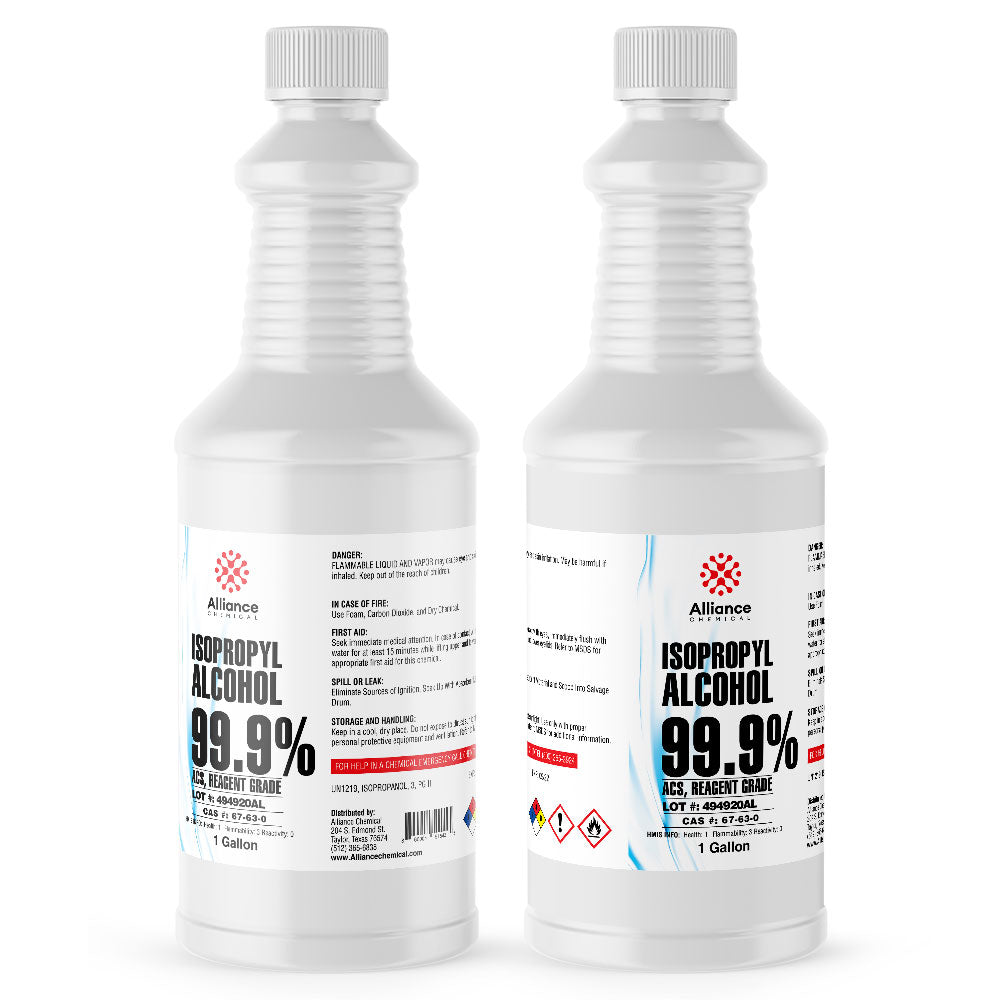
While both ethanol and isopropyl alcohol (IPA) are alcohol solvents, ethanol is preferred for food and beverage applications due to its lower toxicity and GRAS status. IPA is more commonly used for cleaning and industrial applications. Alliance Chemical supplies both ethanol and IPA in various grades, allowing you to select the appropriate solvent for your specific extraction needs.
What are the regulatory requirements for using solvents in pharmaceutical extraction?
Pharmaceutical extraction requires solvents that meet stringent purity and regulatory standards, such as those set by USP (United States Pharmacopeia) and the FDA. Residual solvent limits must be carefully controlled and monitored to ensure patient safety. Alliance Chemical offers solvents that comply with these regulations and can provide the necessary documentation for your quality control processes.
Can I use d-Limonene for extraction, and what are its advantages?
Yes, d-Limonene is a natural solvent derived from citrus peels and can be used for various extractions, particularly for oils and fragrances. Its advantages include being biodegradable, having a pleasant odor, and being relatively non-toxic compared to some other solvents. Alliance Chemical provides high-quality d-Limonene suitable for these applications.
How do I dispose of used extraction solvents safely?
Proper disposal of used extraction solvents is crucial to protect the environment and comply with local regulations. Do not pour solvents down the drain. Contact a hazardous waste disposal company for proper handling and disposal. Alliance Chemical recommends reviewing local and federal regulations for proper disposal methods.