Dark mode

Commercial Fulfillment Snapshot
Ships from Taylor, Texas. In-stock orders placed before 1:00 PM CT (Mon-Thu) and before 12:00 PM CT (Fri) typically ship same business day. Order online 24/7.
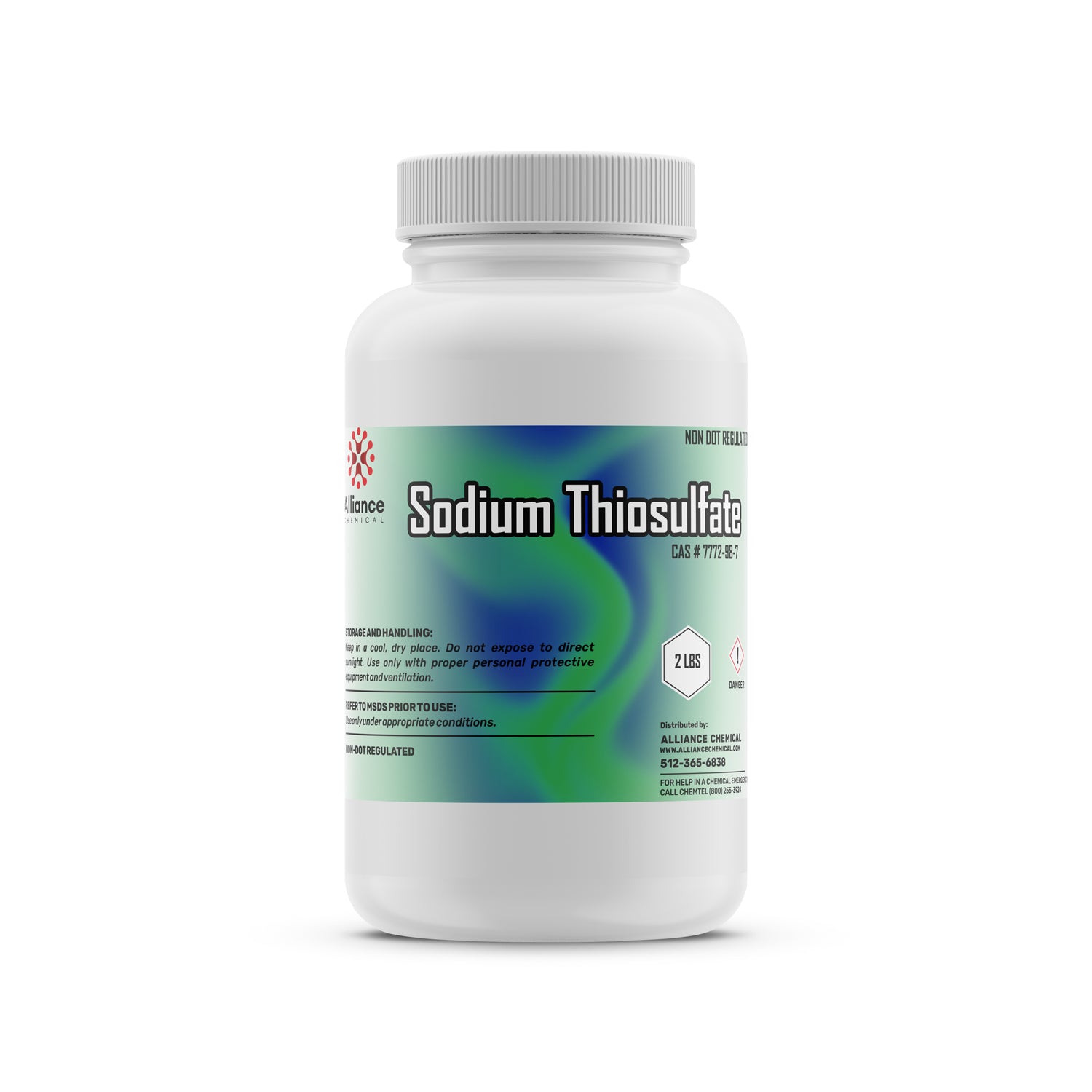
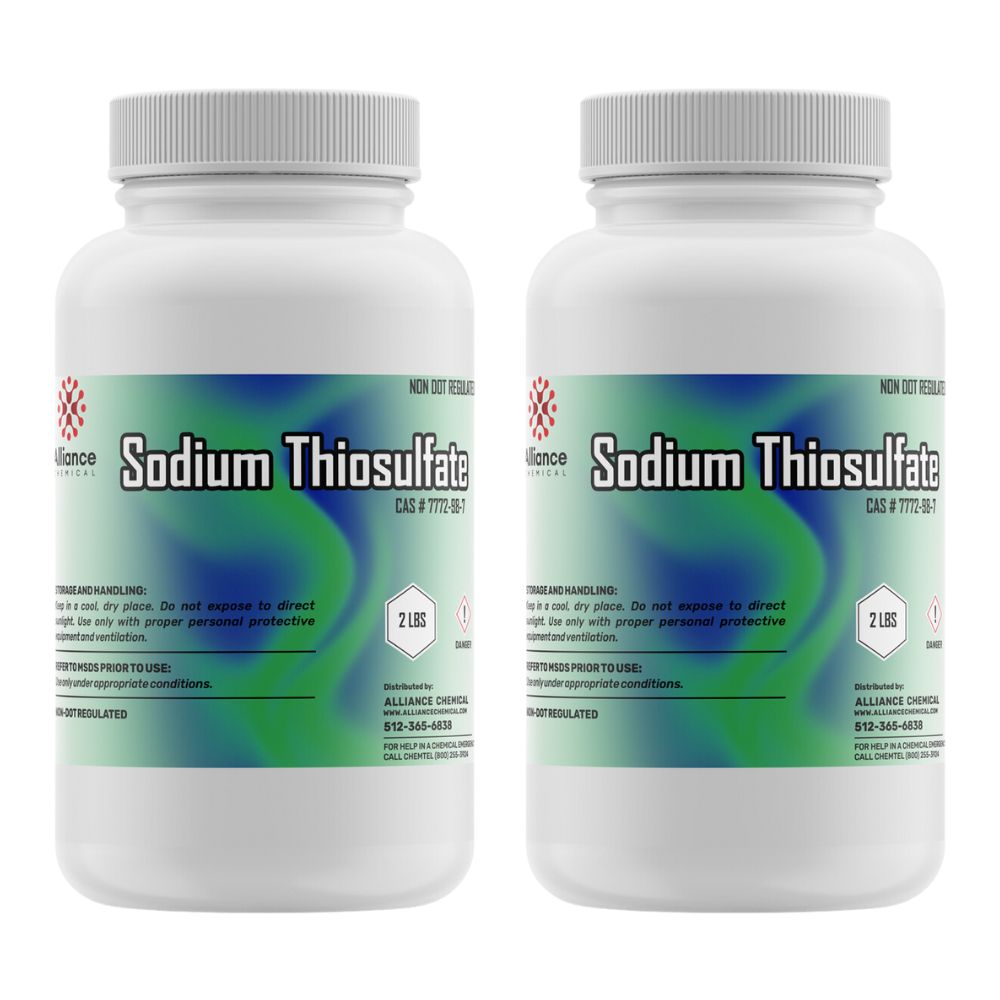
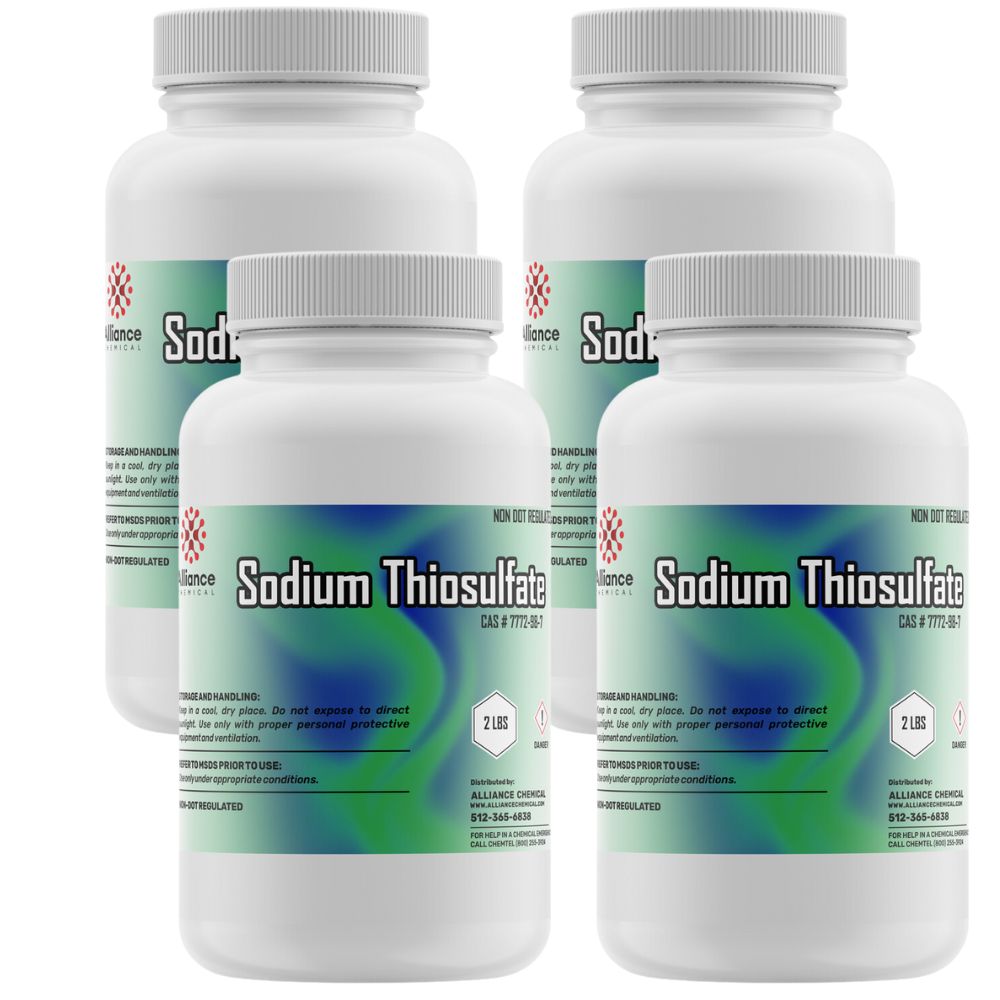
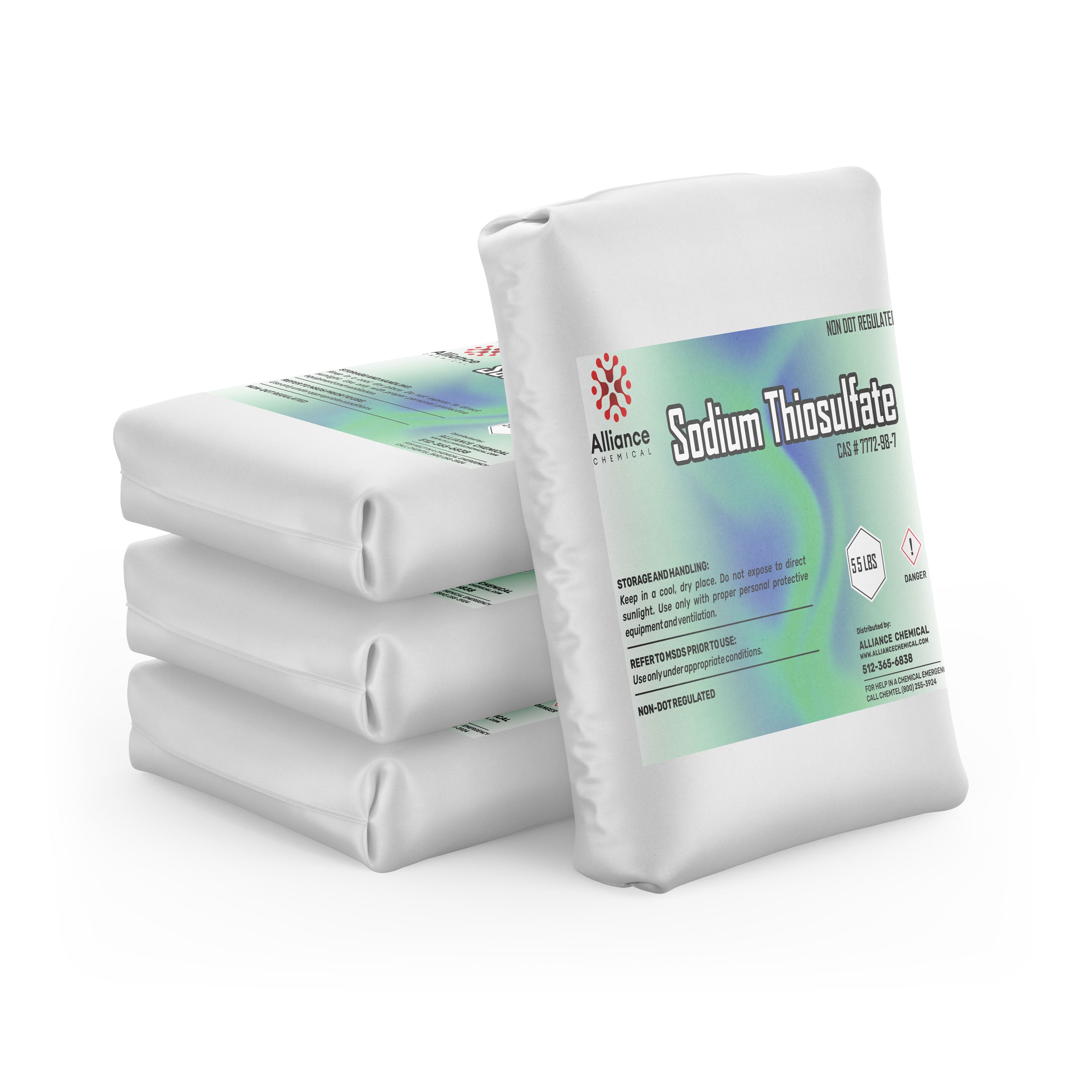
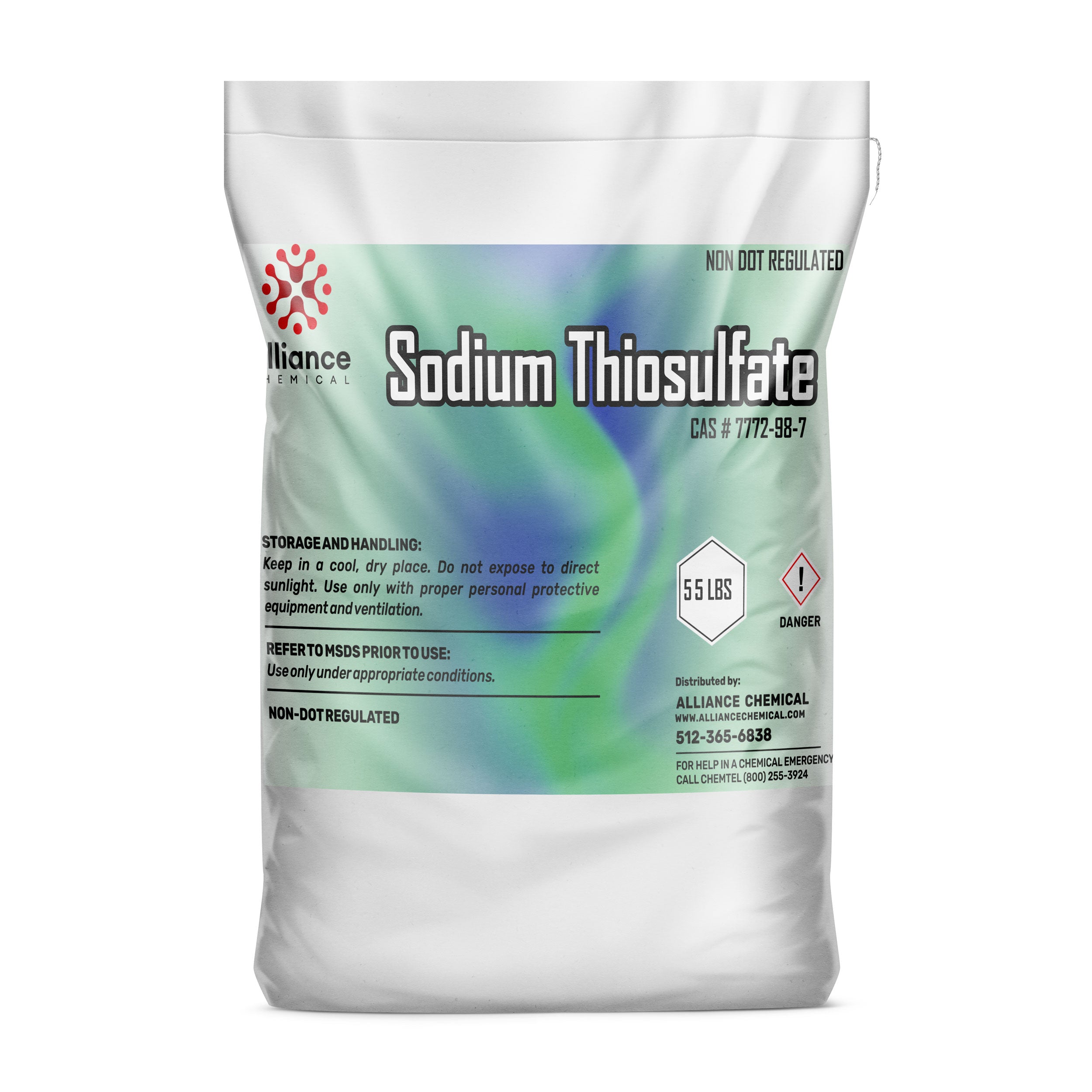
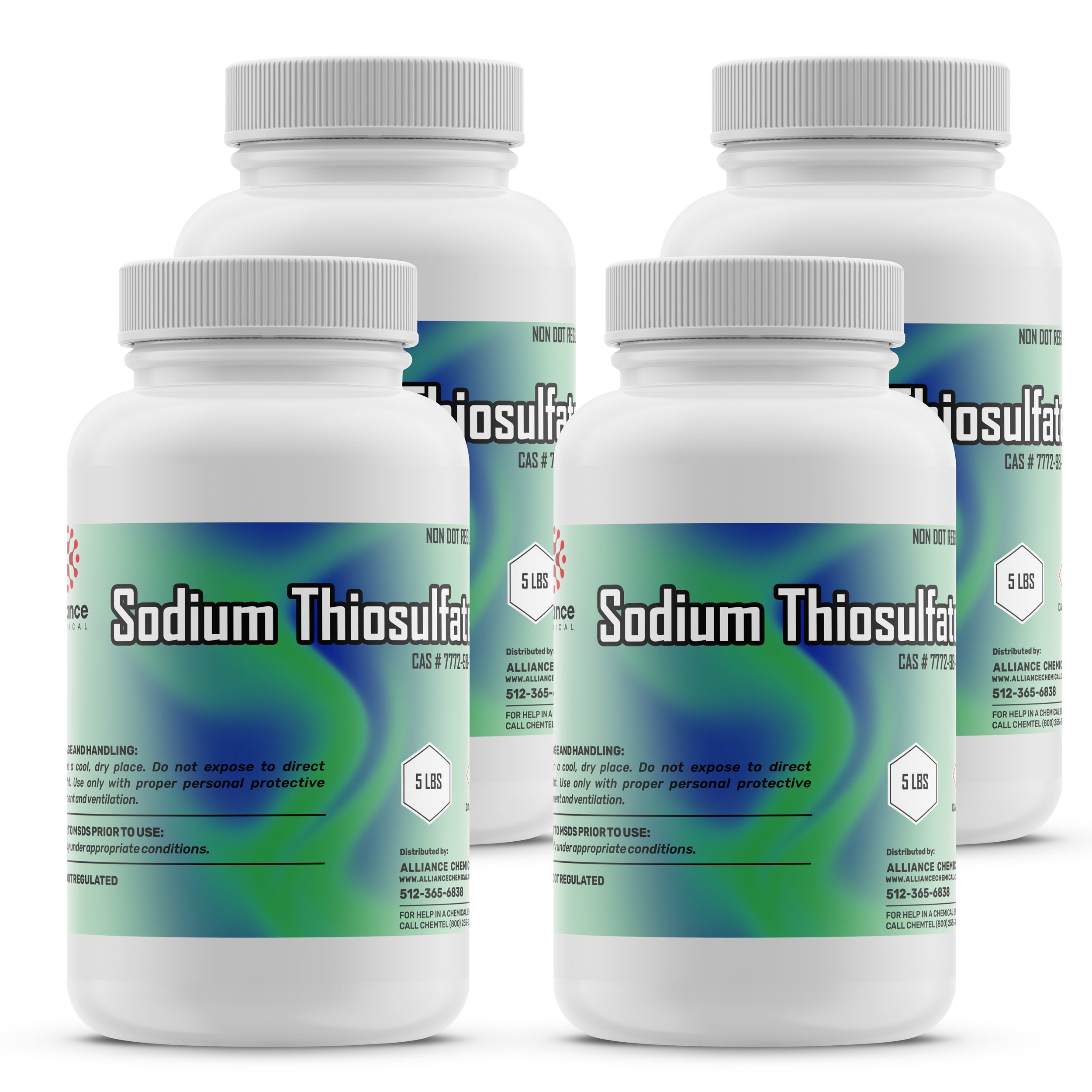
Sodium Thiosulfate Reagent Grade provides the exact stoichiometric reliability required for precision analytical chemistry and critical industrial processes. As a highly water-soluble white crystalline powder (Na2S2O3), this specific formulation ensures rapid and complete dissolution when preparing standardized titration solutions or neutralizing chlorine species in strict environmental compliance environments. Buyers evaluating solid inorganic salts must consider particle size and purity; the reagent grade specification guarantees minimal trace impurities and strict adherence to specific chemical parameters compared to standard technical alternatives. This strict purity profile prevents unwanted side reactions and ensures repeatable, highly accurate data in sensitive laboratory testing. By offering moderate solubility in ethanol alongside its primary aqueous solubility, this reagent adapts to specific solvent systems necessary for targeted analytical extractions and specialized chemical synthesis.
| Property | Value |
|---|---|
| Molecular Weight | 248.18 |
| Formula | Na2S2O3 |
| Assay | 99-100.5% |
| Grade | ACS |
| Form | Solid |
| Solubility | Soluble in water |
| Appearance | White crystalline powder |
| Melting Point | 48 |
| Boiling Point | 100 |
| Specific Gravity | 1.667 |
| Industry | Industrial, Research Laboratory, Pharmaceutical |

Facility Engineering Guide Cooling Tower Water Treatment: The...

YBW-6AH-S5Q
| Price |
|---|
| SKU |
| Rating |
| Discount |
| Vendor |
| Tags |
| Weight |
| Stock |
| Short Description |
Quick and easy COA request for your Alliance Chemical products
We'll email your Certificate(s) of Analysis within 1-2 business days.
Find and download the SDS for your products.