Dark mode

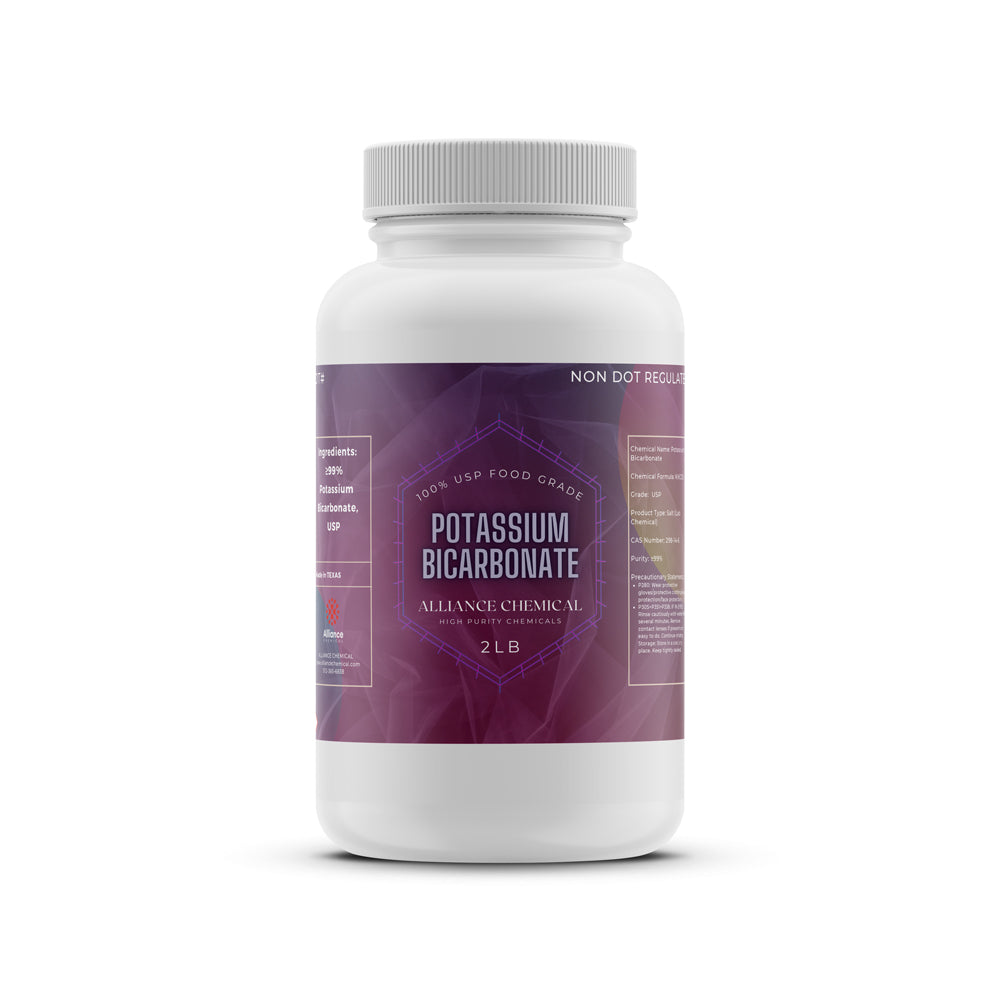

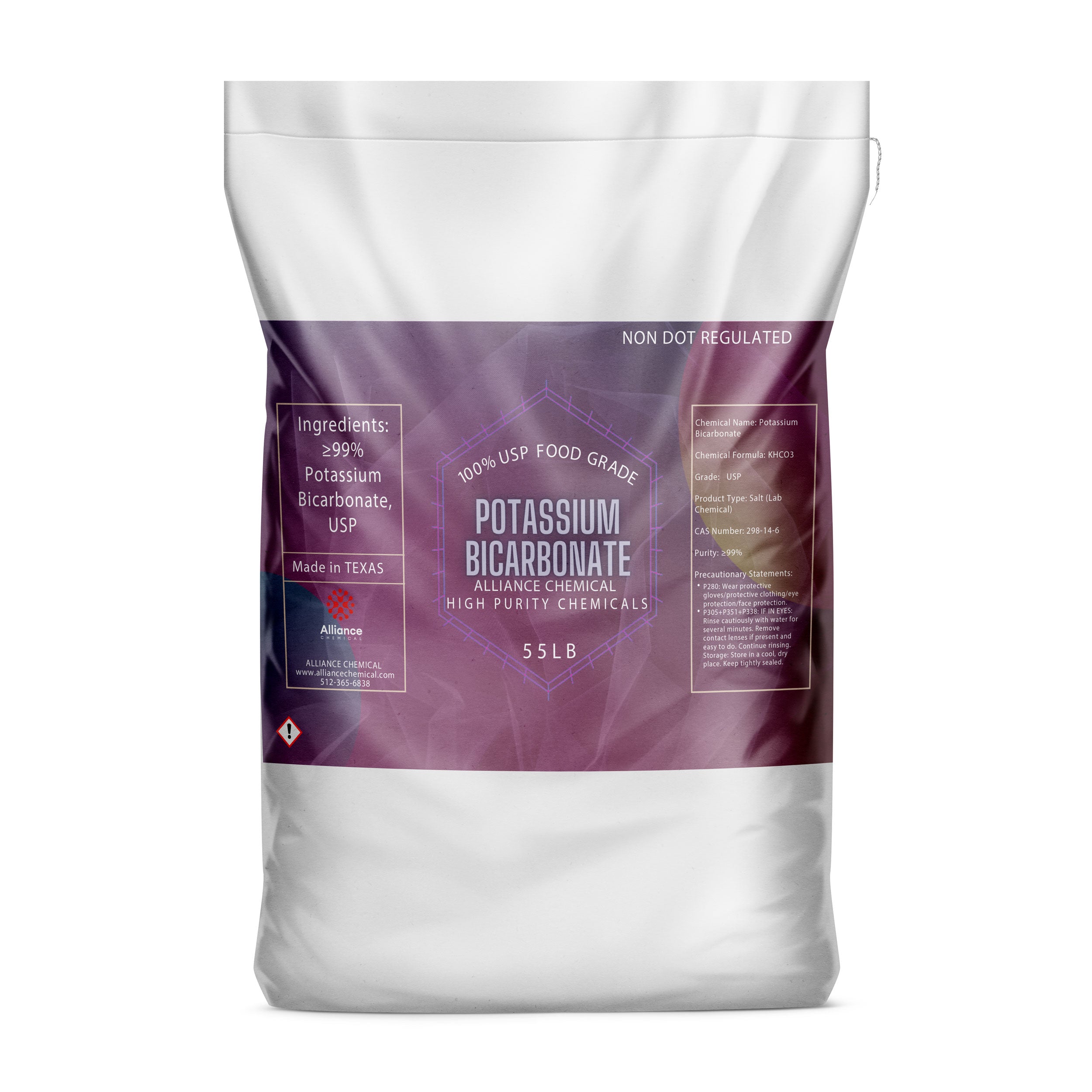
Commercial Fulfillment Snapshot
Ships from Taylor, Texas. In-stock orders placed before 1:00 PM CT (Mon-Thu) and before 12:00 PM CT (Fri) typically ship same business day. Order online 24/7.
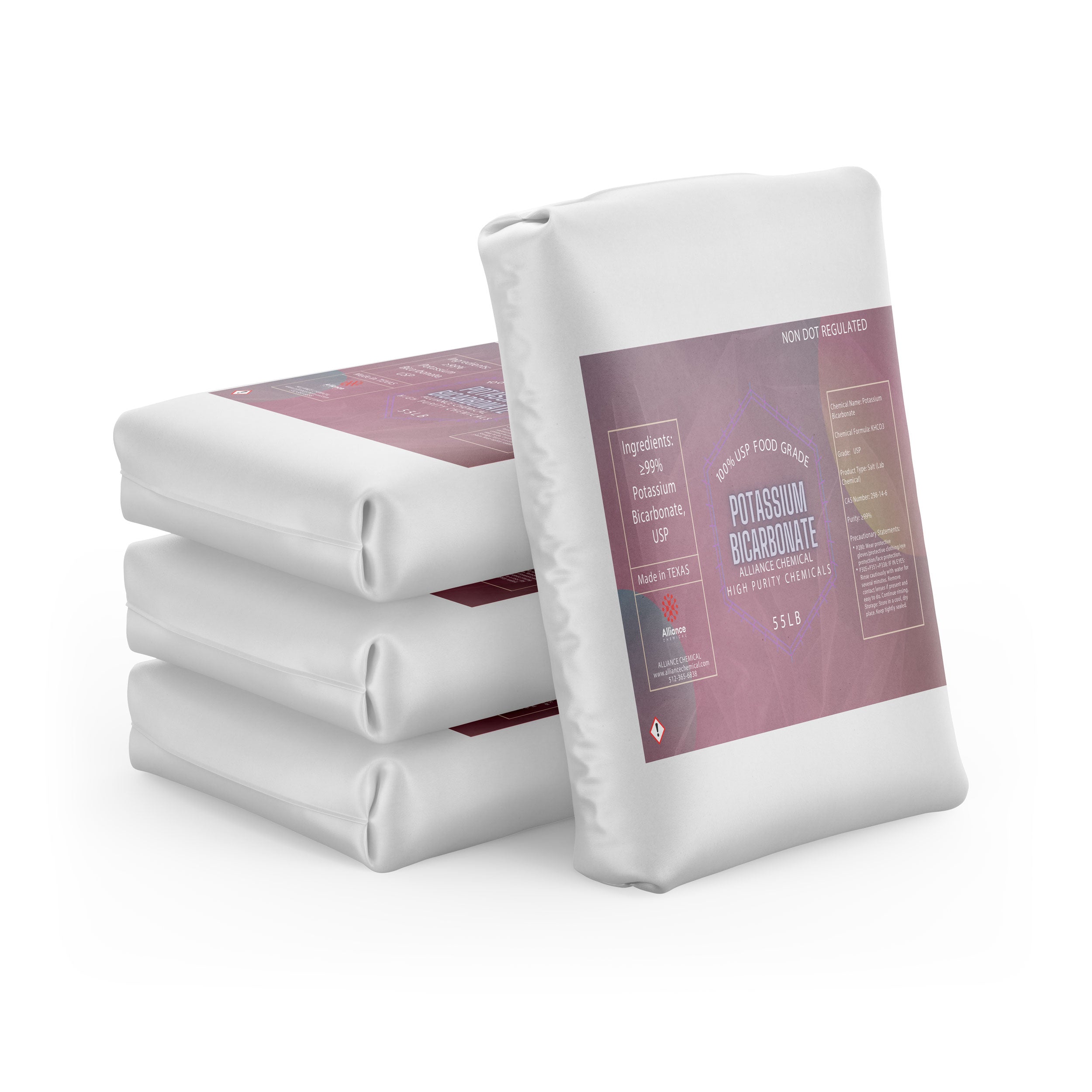
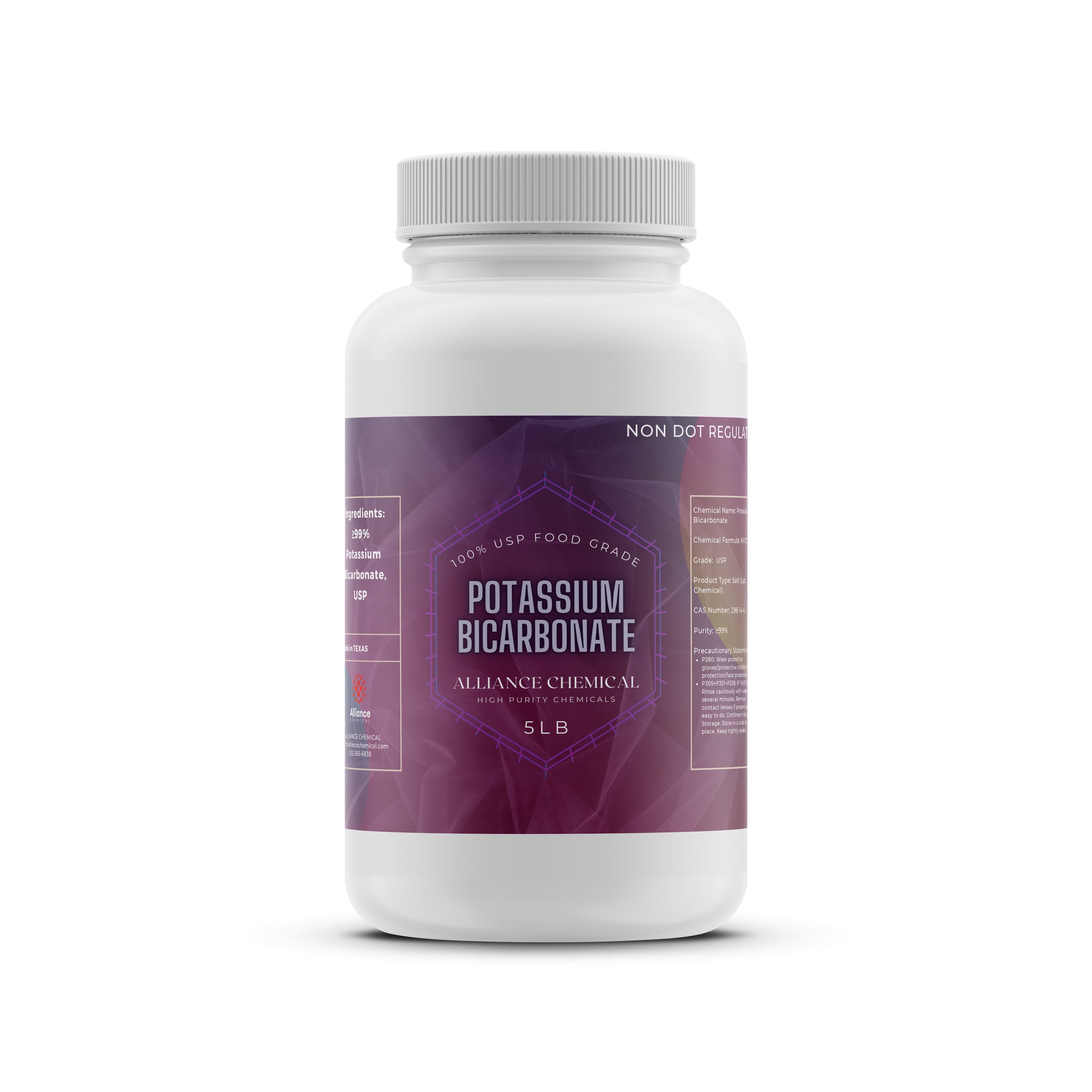
Buyers specify Potassium Bicarbonate - FCC USP Grade (CAS 298-14-6) when their operations require strict compliance with Food Chemicals Codex and United States Pharmacopeia standards. As a fine white crystalline powder featuring uniform granulation, this solid material distributes evenly into dry blends, preventing stratification during the manufacturing process. Its high water solubility guarantees rapid and complete dissolution, which is critical for achieving consistent reaction rates in aqueous solutions and complex liquid formulations. By adhering to FCC and USP mandates, this grade undergoes exhaustive testing for trace impurities and heavy metals, providing the exact verification necessary to satisfy stringent facility audits. This rigorous validation ensures the base KHCO3 chemistry meets the exacting safety and purity thresholds demanded by modern regulatory agencies.
| Property | Value |
|---|---|
| Molecular Weight | 100.11 |
| Formula | KHCO3 |
| Assay | 99-100.5% |
| Grade | USP Grade |
| Form | Solid |
| Solubility | Soluble in water |
| Appearance | White crystalline powder |
| Melting Point | 100 |
| Boiling Point | 87 |
| Specific Gravity | 1.58 |
| Industry | Pharmaceutical, Food Industry, Agriculture, Water Treatment, Laboratory |

W2N-LWR-BEC
| Price |
|---|
| SKU |
| Rating |
| Discount |
| Vendor |
| Tags |
| Weight |
| Stock |
| Short Description |
Quick and easy COA request for your Alliance Chemical products
We'll email your Certificate(s) of Analysis within 1-2 business days.
Find and download the SDS for your products.