

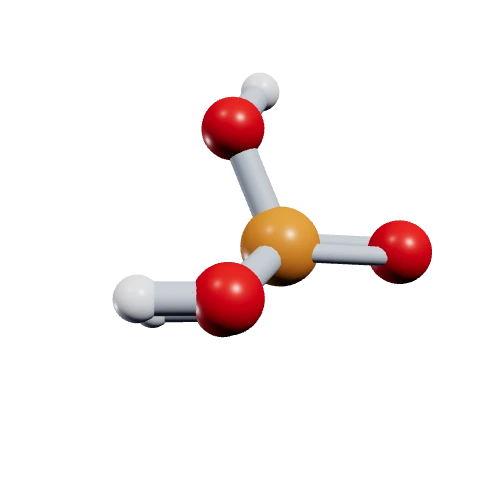


This guide covers the grades and dosages. If you want the mechanism — how phosphate becomes the leavening acid in baking powder, the emulsifying salt that stops processed cheese splitting, and the water-holding agent in cured meat — read What Phosphoric Acid Actually Does in Food.

Phosphoric acid is one of chemistry's most vital and versatile mineral acids. It's the hidden workhorse that treats the steel in our cars, helps grow the food on our plates, and gives our favorite soft drinks their signature tang. This definitive guide explores its diverse applications, explains the critical differences between grades, and outlines how to select the precise product for your needs. Whether you are an industrial buyer, a food manufacturer, a laboratory researcher, or a hobbyist restorer, understanding phosphoric acid's properties and proper handling will help you achieve better results safely and cost-effectively.
What Is Phosphoric Acid? A Chemical Deep Dive
Phosphoric acid (H₃PO₄), also known as orthophosphoric acid, is a weak triprotic mineral acid. Unlike volatile acids such as hydrochloric acid or nitric acid, it is non-volatile and relatively mild in terms of fume hazard. In its pure form, it exists as a white crystalline solid (m.p. 42.35 °C), but it is almost always handled as an aqueous solution at 75% or 85% concentration.
Its triprotic nature (pKa1 = 2.15, pKa2 = 7.20, pKa3 = 12.35) means it can donate three protons in a stepwise fashion, making it an exceptional buffering agent across multiple pH ranges. This is why it finds applications in everything from industrial acid processes to biological systems.
The term "phosphoric acid" specifically refers to orthophosphoric acid (H₃PO₄). Other forms such as pyrophosphoric acid (H₄P₂O₇) and metaphosphoric acid (HPO₃) exist but are distinct compounds with different properties. When purchasing phosphoric acid for industrial or food use, you are working with the ortho form.
Physical Properties at a Glance
Understanding the physical properties of phosphoric acid solutions is critical for storage, transportation, and process engineering. The viscosity, density, and freezing point all change significantly with concentration, which directly impacts pumping, mixing, and dilution operations. As noted in our chemical storage guide, choosing the right container material and storage temperature is essential for concentrated acid solutions.
| Concentration | Density (g/mL) | Viscosity (cP, 25°C) | Freezing Point | Boiling Point | pH (1% sol.) |
|---|---|---|---|---|---|
| 10% | 1.053 | 1.1 | -3 °C | 101 °C | ~1.5 |
| 25% | 1.146 | 1.9 | -15 °C | 105 °C | ~1.1 |
| 50% | 1.335 | 4.8 | -43 °C | 115 °C | ~0.8 |
| 75% | 1.573 | 25.4 | -21 °C | 135 °C | ~0.5 |
| 85% | 1.685 | 47.0 | 21 °C | 158 °C | ~0.3 |
| 100% (anhydrous) | 1.834 | solid | 42.35 °C | 213 °C | N/A |
85% phosphoric acid has a freezing point of approximately 21 °C (70 °F). In cooler climates or unheated warehouses, it can crystallize. If crystallization occurs, gently warm the container to re-dissolve the crystals. Never apply direct flame. Review proper chemical storage protocols before bulk handling.
Industrial Powerhouse: Technical & ACS Grade Applications
In industrial settings, phosphoric acid is prized for its ability to react with metals, adjust pH, and act as a powerful cleaning and etching agent. Its relatively non-volatile nature and controllable reactivity make it safer to work with than many stronger mineral acids, though proper PPE remains essential. Here is a comprehensive look at its major industrial applications.
Metal Treatment & Rust Conversion
Converts iron oxide to protective ferric phosphate coating. Industry standard for automotive restoration and structural steel preparation.
Fertilizer Production
Backbone of global agriculture. Used to produce MAP and DAP fertilizers providing essential phosphorus for plant growth and root development.
Water Treatment
Adjusts pH and inhibits corrosion in municipal and industrial water systems. Prevents scale buildup in boilers and cooling towers.
Laboratory & Research
ACS-grade purity for analytical chemistry, reagent preparation, and high-precision applications in research and quality control.
Electronics Fabrication
Used for etching and cleaning semiconductor wafers, PCBs, and LCD panels. ACS purity prevents trace metal contamination.
Concrete & Masonry
Etches concrete surfaces for sealant adhesion. Removes efflorescence and mineral deposits from masonry structures.
Metal Treatment and Rust Conversion (Passivation)
This is one of phosphoric acid's most celebrated industrial uses. When applied to rusted iron or steel, the acid initiates a chemical reaction with the iron oxide (rust, Fe₂O₃). It does not merely strip the rust away; it converts it into a stable, black, water-resistant layer of ferric phosphate (FePO₄). This process, known as passivation or conversion coating, serves dual purposes: it removes existing corrosion and creates a protective barrier that resists future oxidation while providing an excellent primer surface for painting.
For this work, 85% Technical Grade Phosphoric Acid is the industry standard, applied by brush, spray, or immersion. Automotive restorers, metal fabricators, and marine professionals rely on it daily. See our professional's guide to industrial acids for related information.
For best results, mechanically remove loose, flaky rust first using a wire brush or angle grinder. Then apply a 10-25% phosphoric acid solution (diluted from 85% stock) and allow 15-30 minutes of contact time. Rinse thoroughly with clean water and dry the surface before priming. For deeply pitted steel, a second treatment may be necessary.
Fertilizer Production: Fueling Global Agriculture
Phosphorus is one of the three primary macronutrients essential for plant life — the "P" in N-P-K fertilizers. It plays a critical role in ATP energy transfer, photosynthesis, DNA synthesis, and root development. Approximately 80-85% of global phosphoric acid production is consumed by the fertilizer industry to create MAP, DAP, and TSP fertilizers that form the backbone of modern agriculture.
Wet-process phosphoric acid, produced by reacting sulfuric acid with phosphate rock, is the primary feedstock. For more on sustainable chemical practices, explore our green chemistry resource.
Water Treatment and pH Adjustment
In industrial water treatment, maintaining stable pH prevents corrosion and scale buildup in pipes, boilers, and cooling towers. 75% Phosphoric Acid is widely used as a pH adjuster and corrosion inhibitor. Phosphate-based inhibitors form a protective film on metal surfaces, extending pipe service life. Municipal facilities also use phosphoric acid to control lead and copper leaching under the EPA's Lead and Copper Rule.
Industrial Cleaning, Etching, and Descaling
Phosphoric acid excels at removing mineral deposits from boilers, heat exchangers, and equipment without the aggressive fuming of hydrochloric acid. It also etches concrete floors for sealant and epoxy adhesion, similar to techniques used in concrete stain removal.
For lab cleaning and semiconductor manufacturing, 85% ACS Grade Phosphoric Acid prevents trace-metal contamination and meets rigorous American Chemical Society standards.
Electronics and Semiconductor Manufacturing
In electronics, phosphoric acid serves as an aluminum etchant in semiconductor fabrication, LCD manufacturing, and PCB production. Hot phosphoric acid (150-180 °C) selectively etches silicon nitride films — a critical step in IC manufacturing. Only ACS-grade or higher purity is acceptable for these ultra-clean environments. Our industrial solvents guide covers additional chemicals used in electronics manufacturing.
The Food & Beverage Essential: Food Grade (FCC) Applications
When phosphoric acid is used in food and beverages, it must meet the stringent purity standards of the Food Chemical Codex (FCC) and United States Pharmacopeia (USP). These certifications ensure the product is rigorously tested for heavy metals (lead, arsenic, mercury), fluoride, and other contaminants, making it safe for human consumption. The FCC grade represents the highest purity commercially available.
Acidulant: The Signature "Bite" in Cola Beverages
The most famous application of 85% Food Grade Phosphoric Acid is as an acidulant in cola-flavored beverages. It provides the sharp, tangy "bite" that balances the intense sweetness of sugar or high-fructose corn syrup. Unlike citric acid, which imparts a fruity, citrus-like tartness, phosphoric acid delivers a clean, almost metallic acidity that does not interfere with the cola flavor profile. This is why cola beverages taste distinctly different from citrus-based sodas — the choice of acidulant is fundamental to the flavor identity.
Beyond flavor, phosphoric acid also serves as a preservative in beverages. By lowering the pH to approximately 2.3-2.5, it creates an environment hostile to mold, bacteria, and yeast, contributing to shelf stability without additional preservatives. Major beverage producers use between 500-700 mg/L of phosphoric acid in their cola formulations.
pH Control and Emulsification in Processed Foods
In dairy processing, food-grade phosphoric acid controls pH in cottage cheese, buttermilk, and cultured products. Its phosphate salts serve as emulsifiers in processed meats (preventing fat separation), processed cheese (smooth texture), and salad dressings (stable consistency). It also aids sugar refining by forming calcium phosphate precipitates that clarify raw sugar juice. Our phosphoric acid applications guide provides additional detail.
Phosphoric acid is listed on ingredient labels as E338 (its European food additive code). An average 12 oz (355 mL) can of cola contains approximately 50-70 mg of phosphoric acid. At this concentration, it is the primary contributor to the beverage's pH of approximately 2.4, which is similar to the acidity of vinegar but with a much cleaner taste profile.
Brewing, Winemaking, and Craft Beverages
Craft brewers use food-grade phosphoric acid for mash pH adjustment (target 5.2-5.6), preferring it because it adds no sulfates or chlorides that alter flavor. Winemakers similarly use it for minor acidity adjustments without introducing off-flavors.
Buyer's Guide: Understanding Phosphoric Acid Grades
Selecting the correct grade is critical for performance and regulatory compliance. The table below provides a comprehensive comparison. For broader context, see our chemical safety guide.
| Attribute | Food Grade (FCC/USP) | ACS Reagent Grade | Technical Grade |
|---|---|---|---|
| Purity Standard | FCC / USP-NF | ACS Reagent | Industrial Spec |
| Typical Purity | ≥ 85.0% | ≥ 85.0% | ≥ 75-85% |
| Max Lead (Pb) | ≤ 1 ppm | ≤ 5 ppm | Not specified |
| Max Arsenic (As) | ≤ 1 ppm | ≤ 3 ppm | Not specified |
| Max Fluoride (F) | ≤ 10 ppm | ≤ 10 ppm | Not specified |
| Max Iron (Fe) | ≤ 20 ppm | ≤ 30 ppm | Variable |
| Max Chloride (Cl) | ≤ 5 ppm | ≤ 3 ppm | Not specified |
| Color (APHA) | ≤ 20 | ≤ 20 | Variable |
| FDA Approved | Yes — GRAS (21 CFR 182.1073) | No | No |
| Primary Uses | Beverages, food processing, brewing, sugar refining | Laboratories, electronics, research, QA/QC | Rust removal, fertilizers, descaling, water treatment |
| Ideal Buyers | Food manufacturers, breweries, beverage companies | Research labs, universities, semiconductor fabs | Metal fabricators, agriculture, industrial maintenance |
| Alliance Chemical Product | 85% Food Grade | 85% ACS Grade | 85% Technical / 75% Technical |
Never substitute a technical-grade or ACS-grade phosphoric acid for food-grade in any application involving human consumption. Food-grade (FCC/USP) products undergo additional purification and testing for heavy metals, ensuring they meet the strict safety thresholds required by the FDA under 21 CFR 182.1073. Using the wrong grade in food or beverages is a serious regulatory violation and health risk.
Application Dosage & Concentration Guide by Industry
One of the most common questions we receive is: "What concentration should I use?" The answer depends on your specific application. Phosphoric acid at 85% is the most concentrated commercially available form, but it is almost always diluted before use. The following table provides practical guidance on working concentrations across industries. Always consult the product's Safety Data Sheet (SDS) and relevant industry standards. For general chemical disposal guidelines, refer to our disposal guide.
| Application | Recommended Grade | Working Concentration | Contact Time | Key Notes |
|---|---|---|---|---|
| Rust conversion (light) | 85% Technical | 10-15% | 15-30 min | Brush or spray; rinse thoroughly after treatment |
| Rust conversion (heavy) | 85% Technical | 20-30% | 30-60 min | May require multiple applications for deep pitting |
| Concrete etching | 75% Technical | 10-20% | 5-15 min | Neutralize with baking soda; profile to CSP 2-3 |
| Boiler descaling | 75% Technical | 5-10% | 4-8 hours (circ.) | Monitor with coupons; may add corrosion inhibitor |
| CIP dairy cleaning | 85% Food Grade | 0.5-1.5% | 15-30 min (circ.) | Alternate with caustic CIP; rinse to neutral pH |
| Cola beverage acidulation | 85% Food Grade | 0.05-0.07% | N/A (formulation) | Target pH 2.3-2.5; 500-700 mg/L typical |
| Brewing mash pH | 85% Food Grade | Drops per gallon | N/A (formulation) | Target mash pH 5.2-5.6; add incrementally |
| Laboratory reagent prep | 85% ACS Grade | Per protocol | N/A | Use volumetric glassware; record lot numbers |
| Semiconductor etching | 85% ACS Grade | 80-85% (hot) | Minutes | Heated to 150-180 °C for Si₃N₄ etch |
| Water treatment | 75% Technical | Varies by system | Continuous dosing | Metering pump recommended; monitor effluent pH |
When diluting concentrated phosphoric acid, always add acid to water, never water to acid. Adding water to concentrated acid can cause localized boiling and spattering due to the exothermic reaction. Measure acid carefully using a graduated cylinder and add it slowly to the water while stirring. Wear appropriate personal protective equipment at all times during dilution.
Phosphoric Acid vs. Other Mineral Acids: When to Choose What
Phosphoric acid is not always the best choice for every application. Understanding how it compares to other common mineral acids helps you make informed decisions. Each acid has distinct strengths, and the right choice depends on your specific requirements for reactivity, fume profile, cost, and safety. Our sulfuric acid concentration guide and hydrochloric acid guide provide deeper dives into those alternatives.
| Property | Phosphoric (H₃PO₄) | Sulfuric (H₂SO₄) | Hydrochloric (HCl) | Citric (C₆H₈O₇) |
|---|---|---|---|---|
| Acid Strength | Weak (triprotic) | Strong (diprotic) | Strong (monoprotic) | Weak (triprotic) |
| Fuming / Volatility | Non-volatile | Low (conc. fumes) | High (corrosive fumes) | Non-volatile |
| Rust Removal | Excellent (converts) | Good (dissolves) | Fast (dissolves + fumes) | Slow / mild |
| Descaling | Good | Aggressive | Excellent (fast) | Mild — safe for home |
| Food Use | Yes (FCC grade) | Limited | Yes (FCC grade) | Yes (very common) |
| Buffering Ability | Excellent (3 pKa) | Poor | Poor | Good (3 pKa) |
| Cost (relative) | Moderate | Low | Low | Moderate-High |
| Best For | Rust conversion, food, buffering | Drain cleaning, pH adjustment, batteries | Fast cleaning, pickling, pH adjustment | Descaling appliances, food flavoring |
The key advantage of phosphoric acid for rust treatment: it creates a protective conversion coating rather than simply dissolving the oxide. Strong acids like HCl remove rust faster but leave bare, reactive metal requiring immediate protection. Phosphoric acid's ferric phosphate layer gives you a working window of temporary corrosion resistance before priming.
Safety, Handling, and Storage Protocols
Although classified as a weak acid, phosphoric acid remains corrosive at 75%+ concentrations. Always review the Safety Data Sheet (SDS) before use. Our chemical safety guide provides additional context.
Critical Safety & Handling Protocols
- Personal Protective Equipment: Always wear chemical-resistant gloves (nitrile or neoprene), splash-proof safety goggles, and a face shield when handling concentrated solutions. A chemical-resistant apron is recommended for bulk transfers. See our full PPE guide for detailed recommendations.
- Ventilation: While phosphoric acid is non-volatile at room temperature, heating or vigorous agitation can produce irritating mists. Use in a well-ventilated area or under local exhaust ventilation. Respiratory protection (acid gas cartridge) is recommended when heating above 100 °C.
- Dilution Protocol: When diluting, always add acid to water, never the reverse. The heat of dilution can cause spattering and localized boiling if water is added to concentrated acid. Add slowly while stirring continuously.
- Storage: Store in HDPE, polypropylene, or PTFE-lined containers in a cool, dry, well-ventilated area. Keep away from incompatible materials including strong bases (sodium hydroxide), active metals (zinc, magnesium), and oxidizing agents. Ensure containers are properly labeled and secondary containment is in place.
- Spill Response: Contain the spill and neutralize with a weak base such as soda ash (sodium carbonate) or sodium bicarbonate. Apply gradually to avoid excessive foaming. Collect neutralized material and dispose of according to local regulations.
- Disposal: Never pour concentrated phosphoric acid down the drain. Neutralize to pH 6-8 before disposal, or arrange pickup through a licensed hazardous waste hauler. See our chemical disposal guide for specific instructions.
- First Aid: For skin contact, remove contaminated clothing and flush with copious water for at least 15 minutes. For eye contact, irrigate immediately with water for at least 20 minutes and seek medical attention. If ingested, do not induce vomiting — drink water and contact poison control immediately.
Phosphoric acid is incompatible with most metals, including carbon steel, aluminum, and zinc, which it will slowly corrode. Always use corrosion-resistant materials such as HDPE, polypropylene, PTFE, or Hastelloy C for storage and handling equipment. Stainless steel 316L offers moderate resistance at lower concentrations but should not be used for long-term storage of concentrated solutions.
Environmental Considerations
While phosphorus is essential for all life, excess phosphate discharge into waterways can cause eutrophication — excessive algal growth that depletes dissolved oxygen and creates ecological "dead zones." Modern green chemistry initiatives are driving improvements in production, recycling, and waste reduction. Always collect and neutralize rinse water before discharge, and consult local regulations for phosphate discharge limits.
Choosing the Right Alliance Chemical Phosphoric Acid Product
Every Alliance Chemical phosphoric acid product ships in compliant packaging, with the Certificate of Analysis (COA) on request at no charge. Use this decision framework:
Choose 85% Food Grade (FCC/USP) if:
- Your application involves food, beverages, or anything consumed by humans
- You need FDA GRAS compliance (21 CFR 182.1073)
- You are a brewer, winemaker, or dairy processor
Choose 85% ACS Reagent Grade if:
- You need verified purity for laboratory analysis or research
- Your application is in electronics, semiconductor, or cleanroom environments
- You require traceability and lot-specific COA documentation
Choose 85% Technical Grade if:
- You are performing rust conversion, metal treatment, or passivation
- You need a strong concentration for industrial descaling or etching
- Cost-effectiveness is a priority for large-volume applications
Choose 75% Technical Grade if:
- You need a lower-viscosity solution for water treatment or continuous dosing
- Your process requires easier pumping and metering
- You are managing large-scale pH adjustment systems
Find the Right Phosphoric Acid for Your Application
From industrial-strength rust converters to FCC-certified food additives, Alliance Chemical provides premium phosphoric acid in every grade and concentration. Fast shipping, COA included, expert support available.
Shop All AcidsContact an ExpertBuying this chemical? See our Phosphoric Acid Suppliers Guide for supplier comparisons, grade selection, and pricing guidance.
References & Authoritative Sources
Chemical identity, properties, and safety data sourced from the U.S. National Library of Medicine's PubChem database — the authoritative open-chemistry data resource maintained by the National Institutes of Health.
- PubChem CID 944: Nitric Acid 65%ACS Grade — National Center for Biotechnology Information, U.S. National Library of Medicine. CAS 7697-37-2.
- PubChem CID 1004: Phosphoric Acid 85% - Technical Grade — National Center for Biotechnology Information, U.S. National Library of Medicine. CAS 7664-38-2.
- PubChem CID 313: Hydrochloric Acid 37% (HCL 37%) - Technical Grade — National Center for Biotechnology Information, U.S. National Library of Medicine. CAS 7647-01-0.
- PubChem CID 10340: Soda Ash — National Center for Biotechnology Information, U.S. National Library of Medicine. CAS 497-19-8.
Related reading
Car Dipping: The 3-Tank Process That Strips Paint and Kills Rust on a Whole Car Body — the same industrial phosphoric chemistry runs Tank 2 of the 3-tank car dipping process — converting iron oxide to a primer-ready iron phosphate layer.
Related: Hydrofluorosilicic Acid (HFS): The Industrial Buyer’s Guide — the phosphoric-acid process HFS is recovered from.
Products in this guide: Phosphoric Acid 30% - The Ultimate Rust Remover Solution · Phosphoric Acid 75 ACS Grade · Phosphoric Acid 75% USP Food Grade
Related: Hydrochloric Acid 37%: ACS Reagent vs Technical Grade — phosphoric acid grades.
Related: Phosphoric Acid: From Cola to EV Batteries — Uses, Grades & Rust Removal — from cola to EV batteries: grades, rust chemistry, and the LFP battery story.
Related: Bioreactor CIP Chemistry: Caustic Soda, Nitric Acid, Passivation and pH Control — where phosphoric acid fits in a fermentation CIP cycle versus nitric acid.
Related: What Phosphoric Acid Actually Does in Food — what the phosphate salts actually do once they are in the food, step by step.
Frequently asked questions
What are the main industrial applications of phosphoric acid?
Phosphoric acid (H₃PO₄) is used in food and beverage processing (cola acidulant, E338), metal surface treatment and rust conversion (iron phosphate coatings), fertilizer production (DAP, MAP, TSP), semiconductor etching, dental cements, water treatment (corrosion control), and as a catalyst in petroleum refining and chemical synthesis.
What concentration of phosphoric acid removes rust effectively?
A 10-30% phosphoric acid solution effectively converts iron oxide (rust) into iron phosphate—a dark, protective coating. Apply to rusted metal, allow 15-30 minutes contact time, then wipe or rinse. For heavy rust, use 30-40% concentration with longer soak times. Unlike HCl, phosphoric acid leaves a corrosion-resistant phosphate film.
Is phosphoric acid safe for food contact applications?
Yes, food-grade (FCC or USP) phosphoric acid at 75-85% concentration is widely used in food processing. It's the acidulant in Coca-Cola and other soft drinks, used in cheese making, sugar refining, and as a pH adjuster in processed foods. The FDA classifies it as GRAS (Generally Recognized As Safe) for food use.
What are the different grades and concentrations of phosphoric acid available?
Common concentrations: 30% (rust removal and light cleaning), 75% (general industrial, the most common commercial grade), 85% (concentrated, used as-is or diluted), and 105% (superphosphoric acid for fertilizer production). Grades include technical (industrial), ACS (laboratory), USP/FCC (food and pharmaceutical), and electronic grade (semiconductor manufacturing).
About the author
Andre Taki
This article is for informational purposes only.


