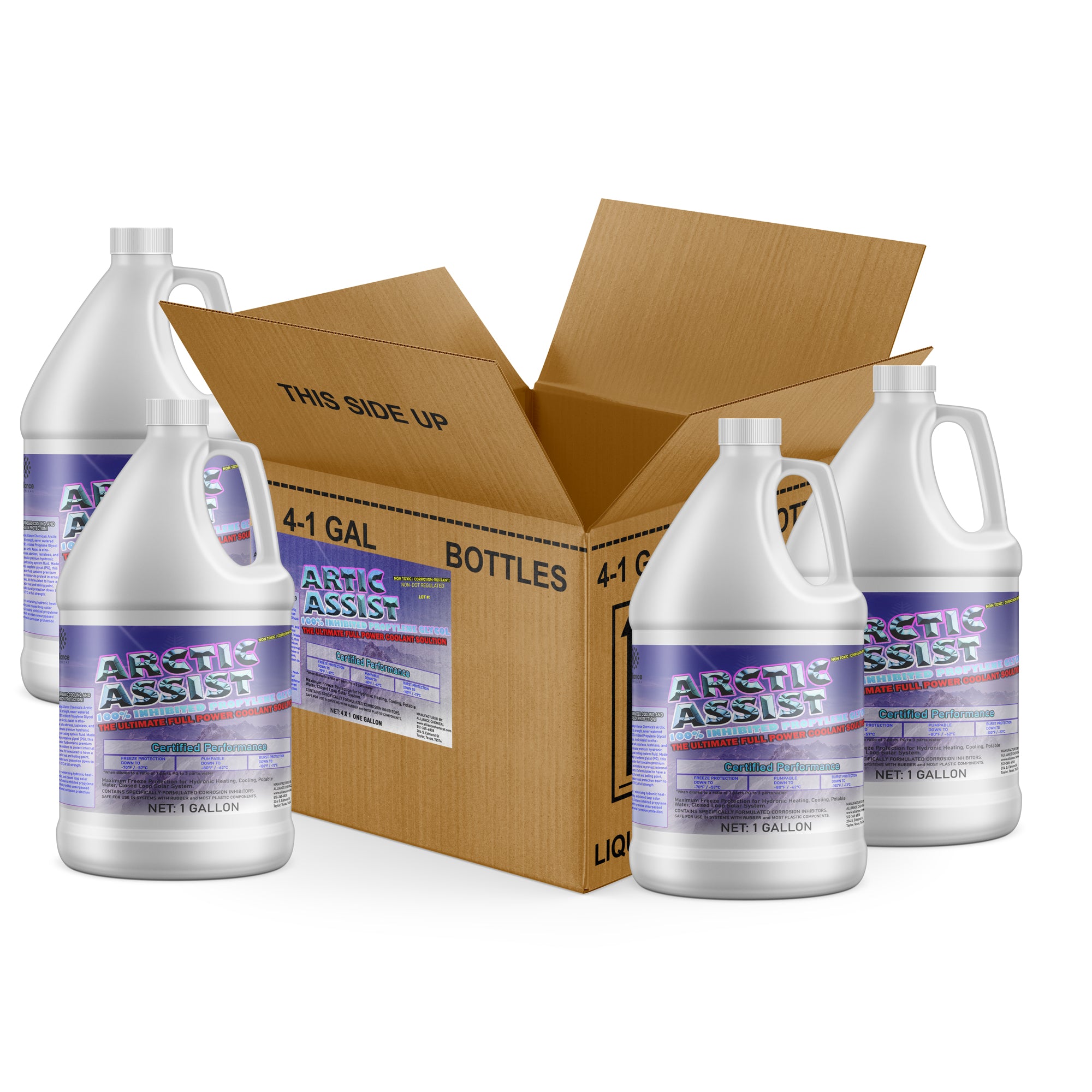
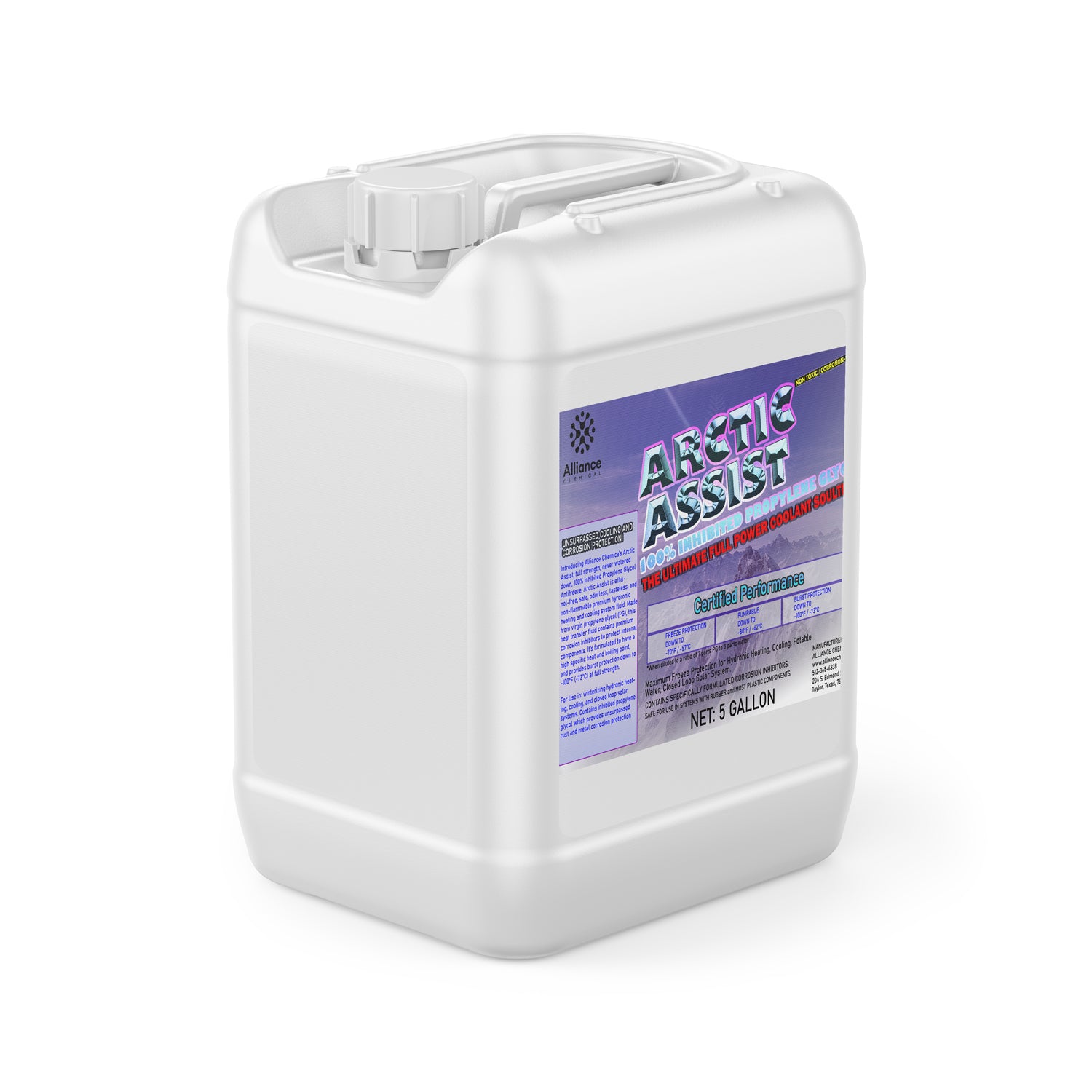

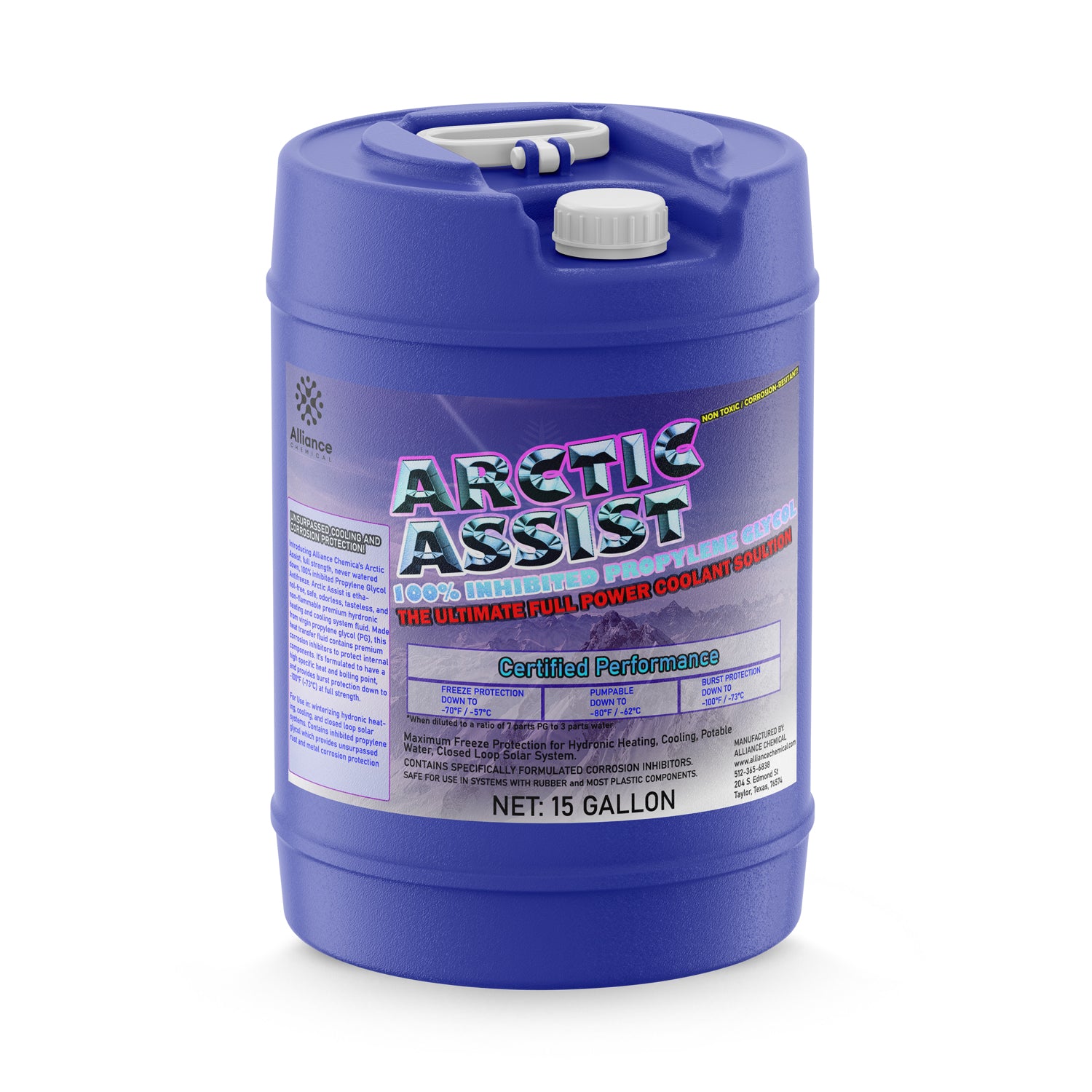
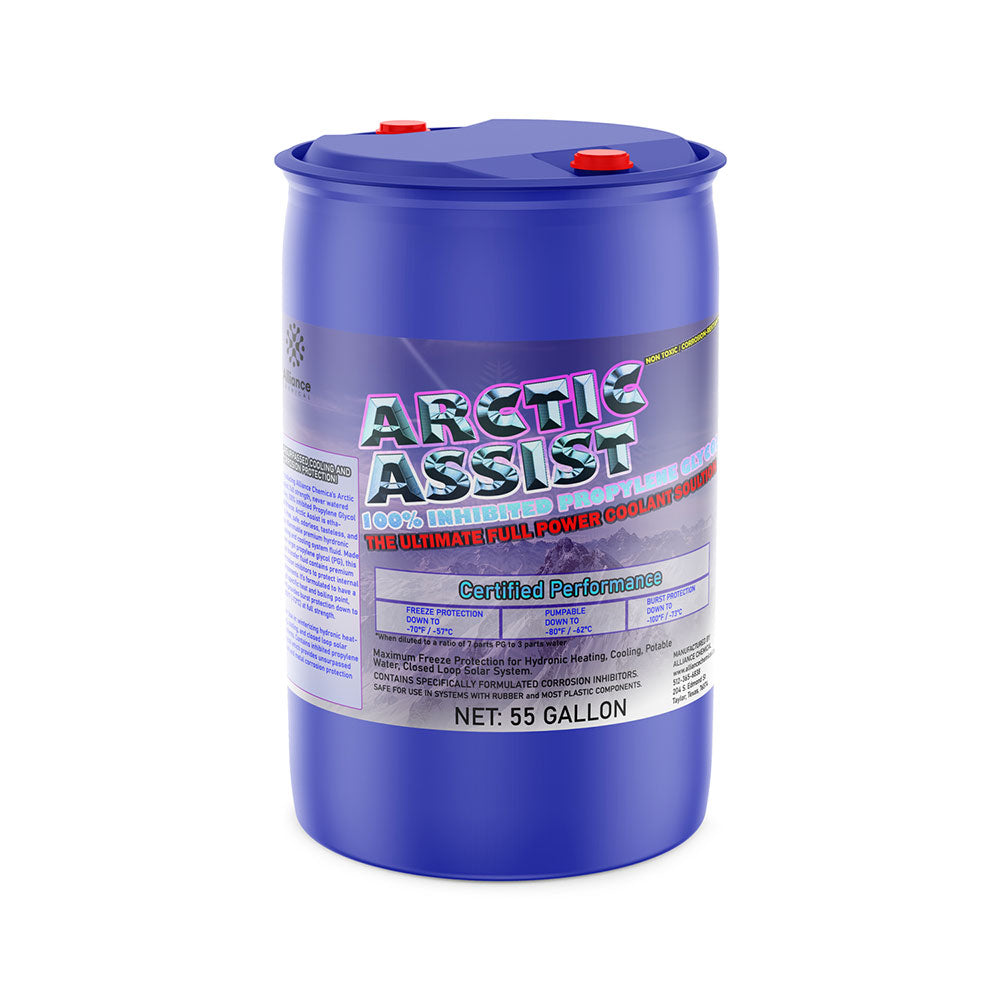
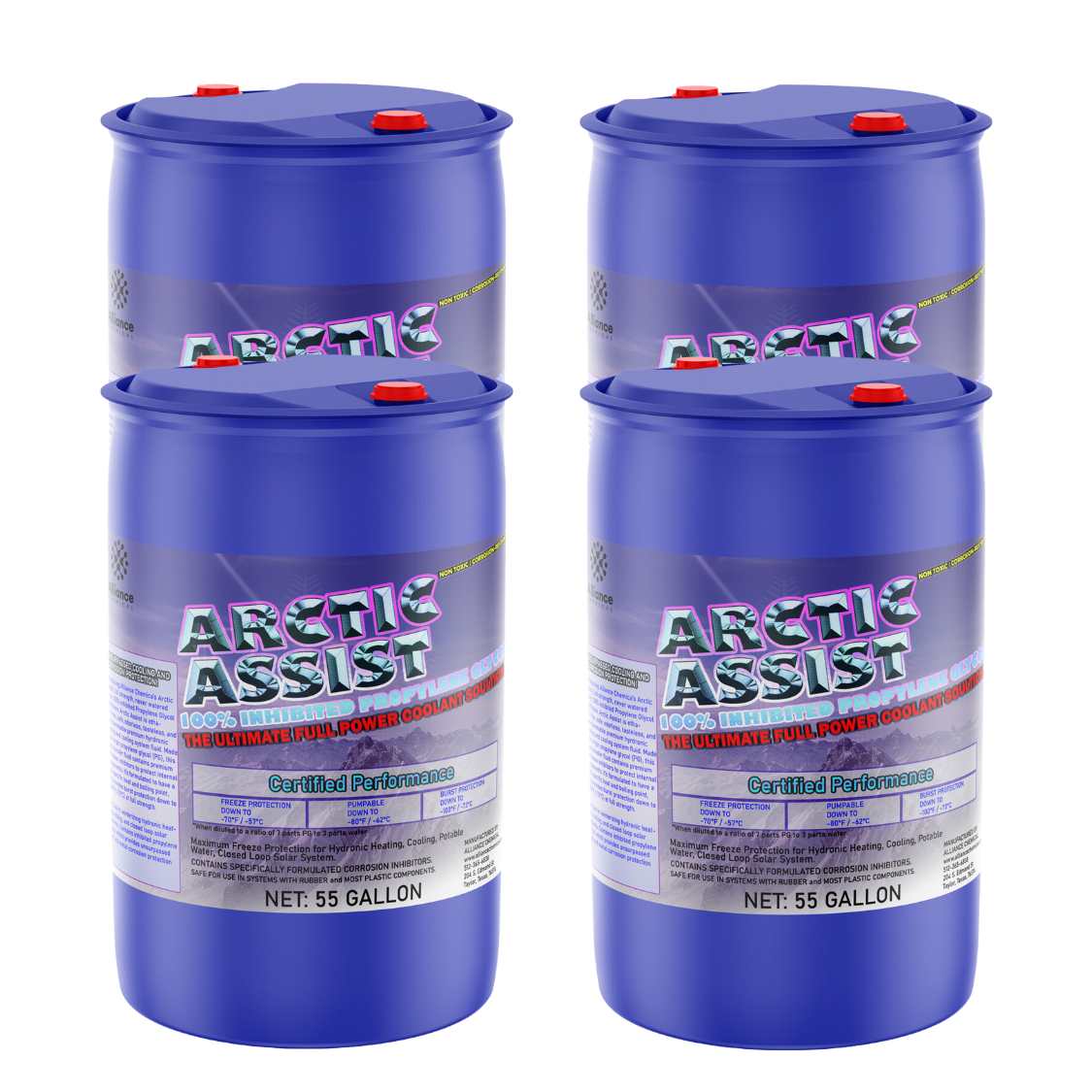
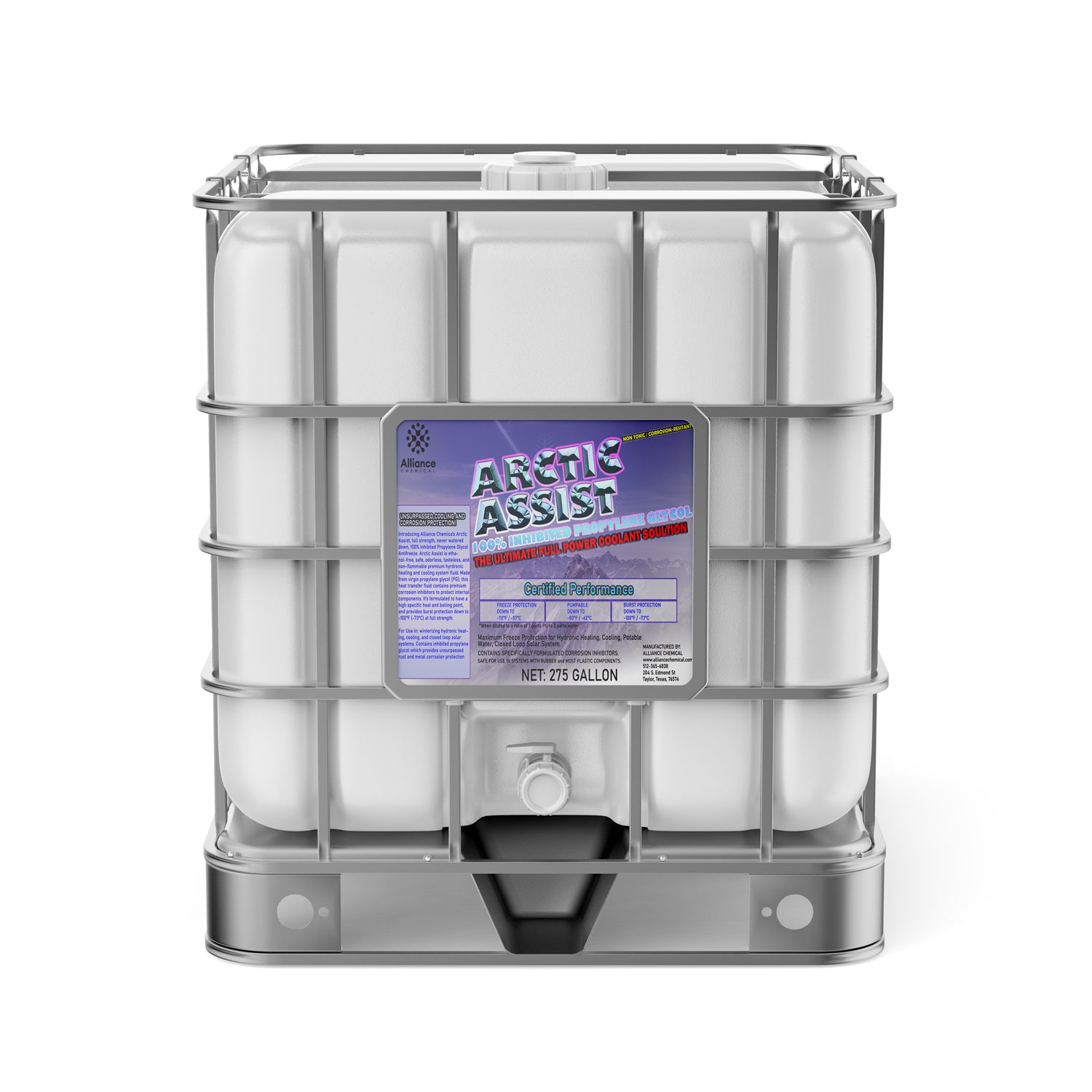
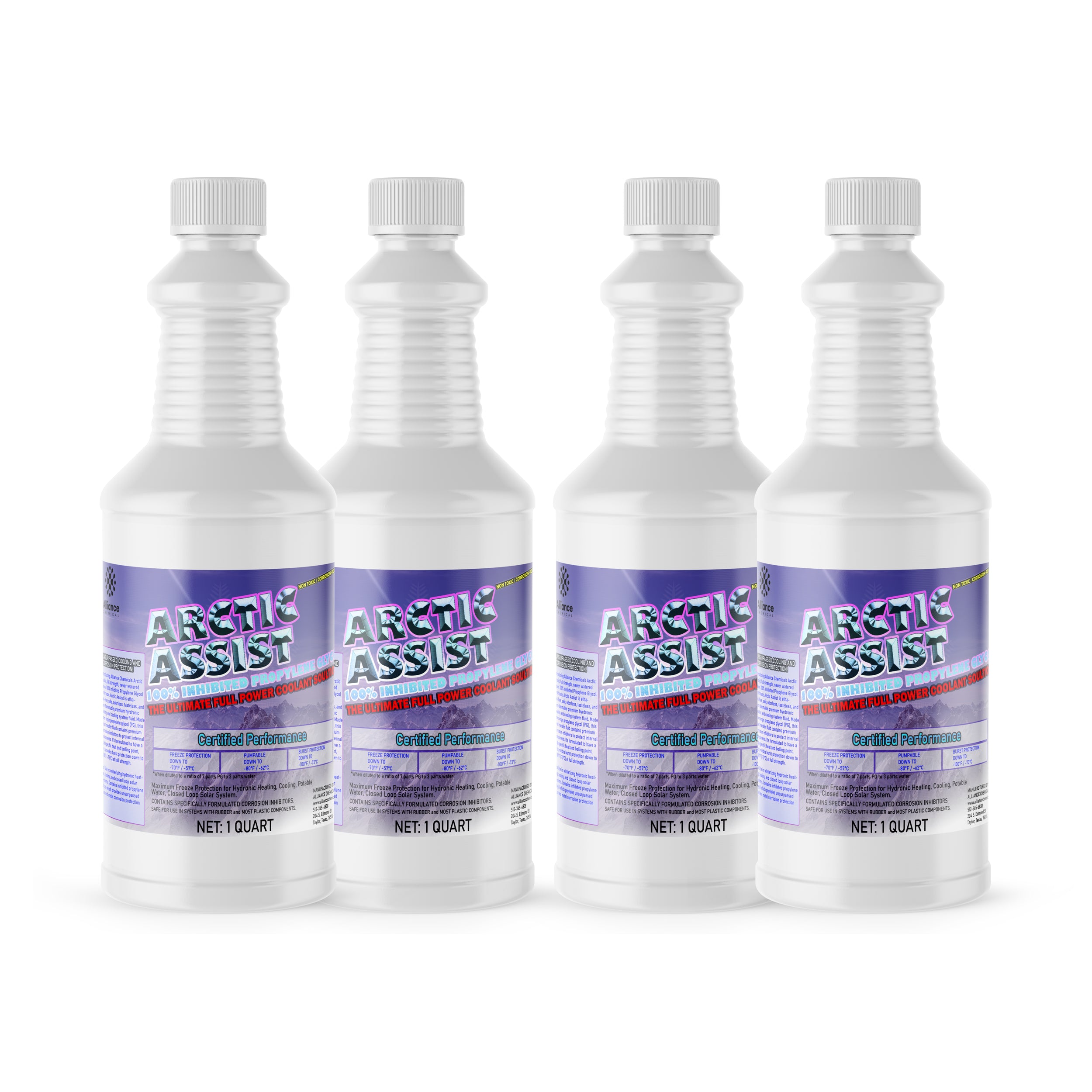
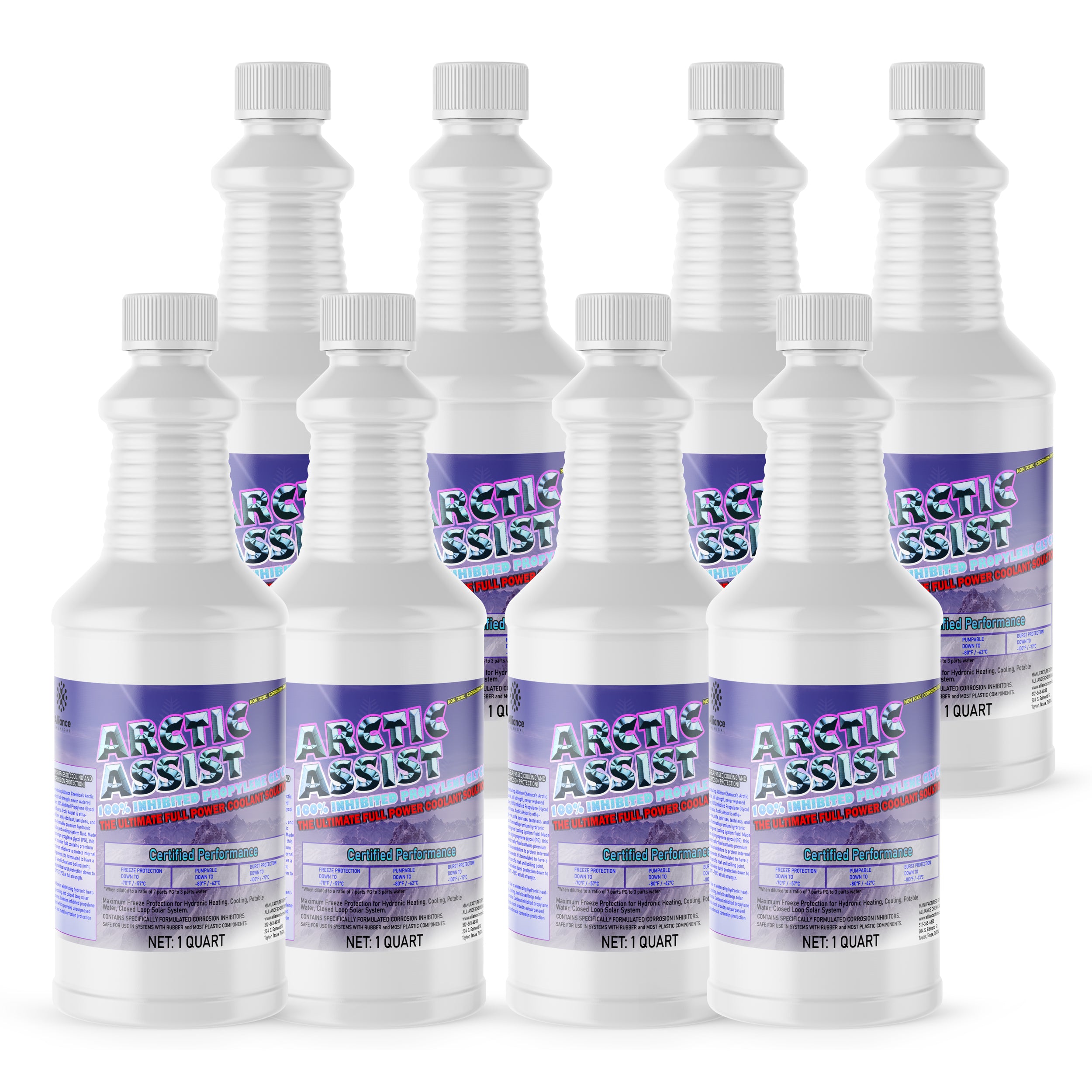
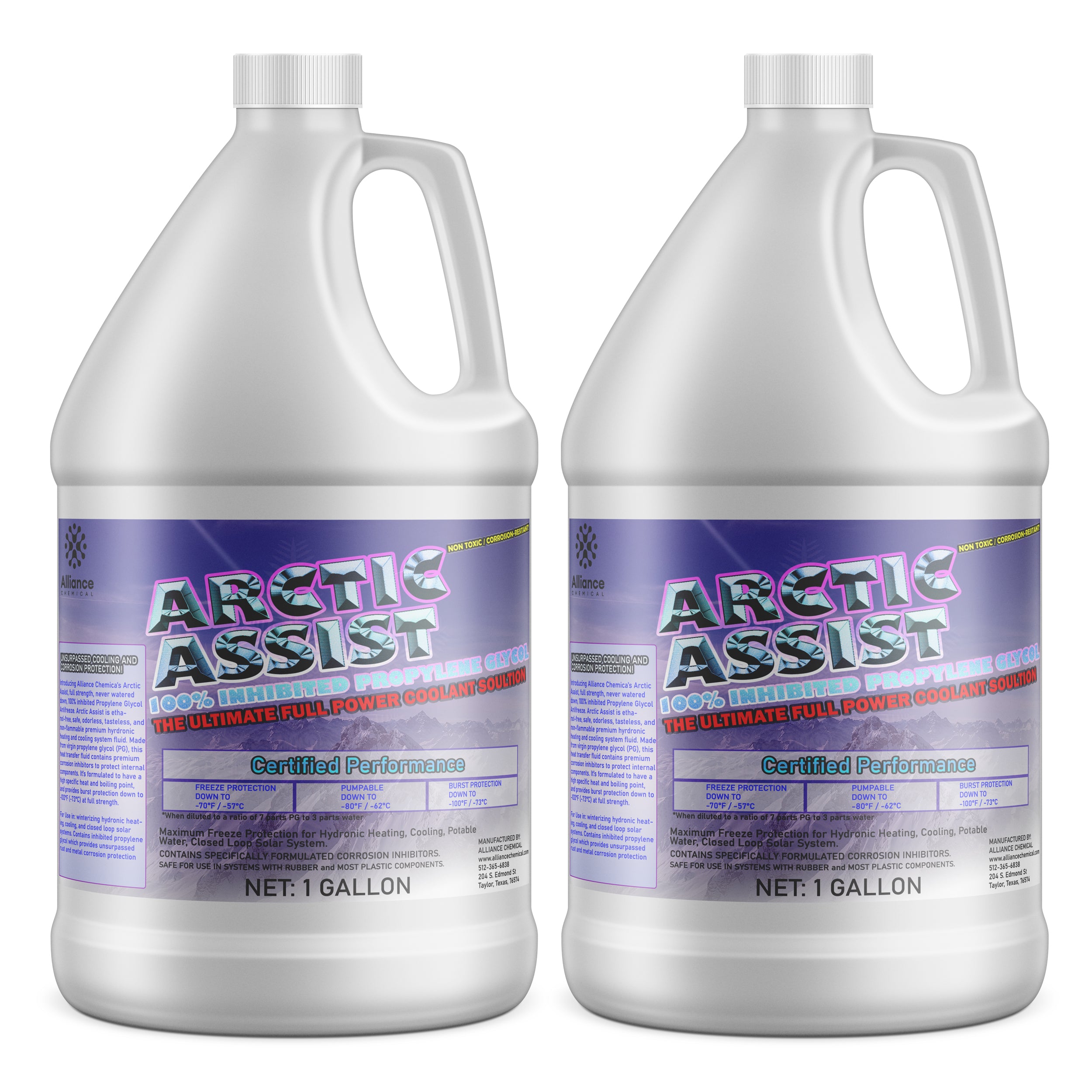
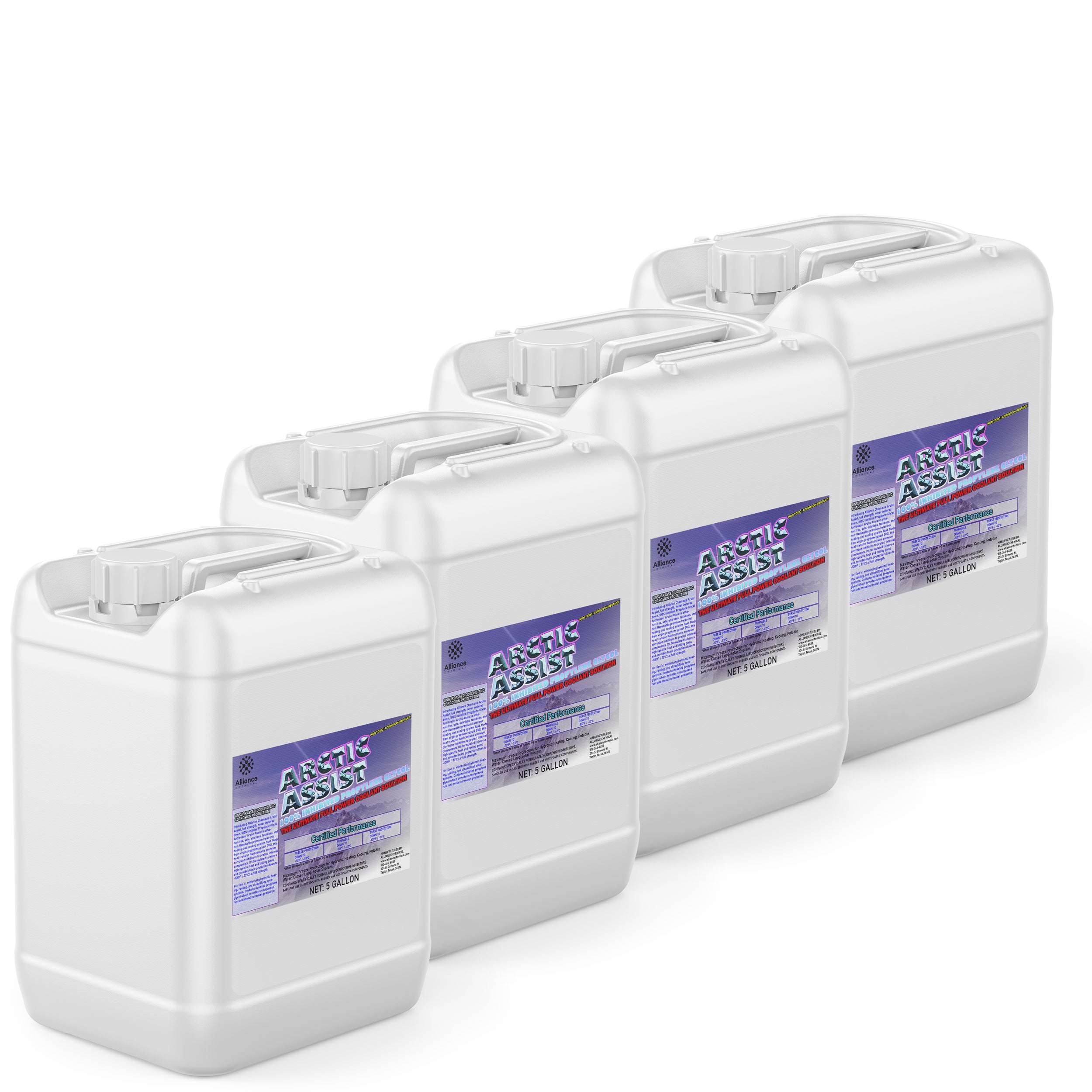
Arctic Assist

Category : Glycols

$19.11
Quantity
Size:
Variation:
  • $19.11
    Delivery every
    $18.15
  • $27.42
    Delivery every
    $26.05
  • $40.34
    Delivery every
    $38.32
  • $61.90
    Delivery every
    $58.81
  • $40.34
    Delivery every
    $38.32
  • $61.90
    Delivery every
    $58.81
  • $117.09
    Delivery every
    $111.24
  • $3,386.53
    Delivery every
    $3,217.20
  • $144.90
    Delivery every
    $137.66
  • $566.06
    Delivery every
    $537.76
  • $4,190.83
    Delivery every
    $3,981.29
  • $428.83
    Delivery every
    $407.39
  • $1,306.53
    Delivery every
    $1,241.20
  • $4,313.41
    Delivery every
    $4,097.74
  • $5,069.60
    Delivery every
    $4,816.12
  • $5,596.84
    Delivery every
    $5,317.00
$19.11

Arctic Assist

$19.11
  • Description
  • Product Documents
  • Chemical Profile

Product Overview

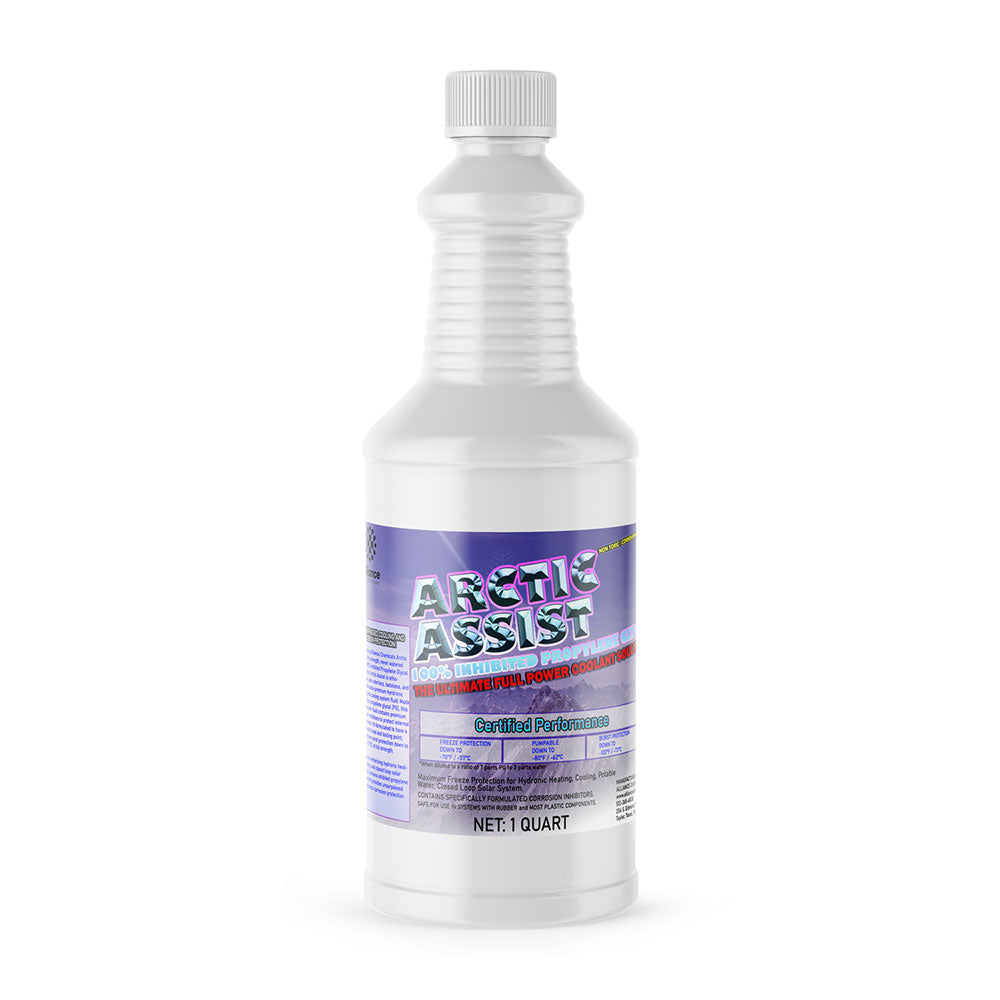
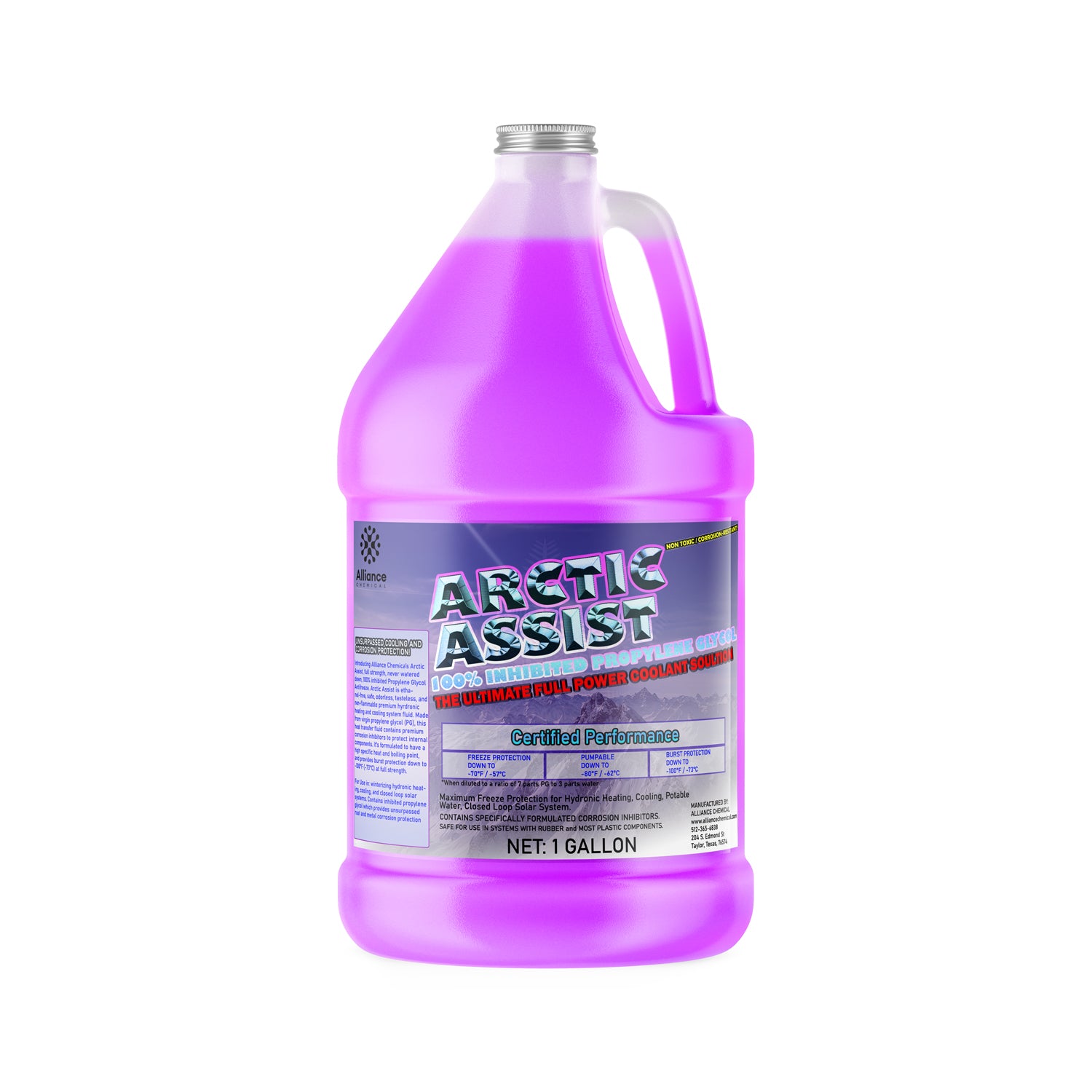
Arctic Assist is a specialized chemical formulation designed to enhance the performance of various industrial processes in cold environments. This fluid exhibits unique thermal properties that facilitate optimal operation under low-temperature conditions, making it suitable for applications in industrial refrigeration and cryogenics. The composition is delivered as a clear, colorless liquid designed for reliable thermal management in demanding environments. Its formulation supports controlled evaporation in closed systems and efficient heat exchange. The product is compatible with standard industrial equipment materials, supporting flexible integration into diverse heat transfer and stabilization workflows. Thorough quality control ensures consistent density and viscosity for process-scale applications. The formulation is designed for controlled handling, storage, and compatibility with HDPE containment.

Key Properties

  • Appearance: Clear, colorless liquid
  • Odor: Characteristic
  • Chemical Formula: Mixture
  • CAS: 64742-47-8
  • Boiling Range: 100-110°C
  • Freezing Point: -10°C (Typical)
  • Density (25°C): 1.025 g/mL
  • Specific Gravity: 1.02 – 1.03
  • pH: Neutral to slightly acidic
  • Solubility: Compatible with polar solvents

Common Applications

  • Refrigeration Fluid: Industrial refrigeration systems use Arctic Assist as a coolant to enhance thermal efficiency and maintain stable operating temperatures in low-temperature cycles.
  • Cryogenic Support: Serves as a medium for maintaining low temperatures in industrial cooling loops and storage systems.
  • Temperature Stabilization: Stabilizes temperature-sensitive processing equipment during operation, reducing thermal fluctuation risks.
  • Heat Transfer Agent: Used as a heat transfer medium in chemical processing where precise temperature control is required to optimize reaction kinetics.
  • Industrial Coolant: Incorporated into systems requiring freeze protection and efficient heat rejection.

Safety Precautions

Handle Arctic Assist with appropriate PPE, including chemical-resistant gloves, goggles, and industrial protective clothing. Store in a cool, well-ventilated area away from direct sunlight in HDPE containers to ensure product integrity. Ensure adequate ventilation during handling to minimize inhalation exposure.

Maintain compatibility with materials used in process equipment and avoid contact with strong oxidizing agents. Refer to the Safety Data Sheet (SDS) for specific emergency measures and exposure mitigation; use engineering controls to minimize risk during transfer and filling operations. Keep containers tightly sealed when not in use.

Benefits

Thermal Efficiency – Consistent viscosity and heat capacity for reliable cooling performance.
System Compatibility – Formulated for use with standard industrial seals and piping materials.
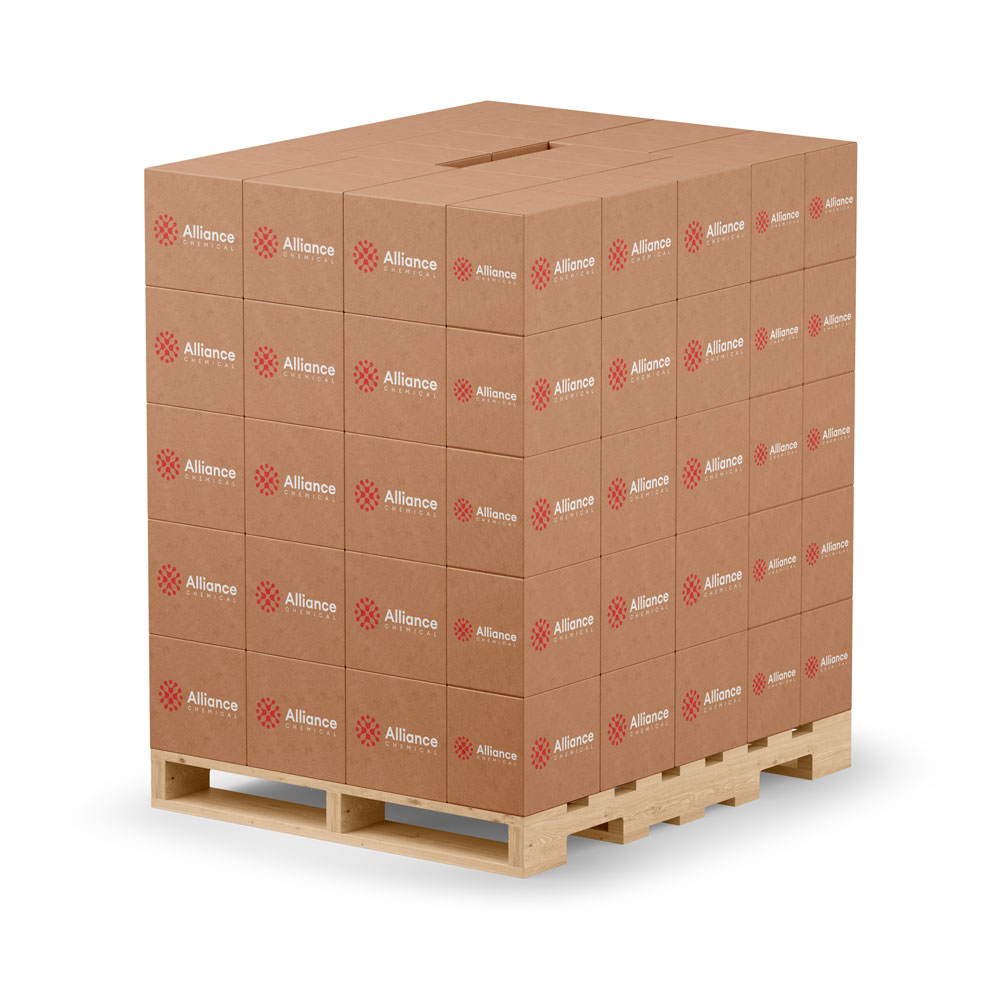
Versatile Packaging – Available in sizes ranging from 1 Quart to 330 Gallon totes to suit facility requirements.

Related Products

Property Value
Molecular Weight 170.33 g/mol
Formula C12H26
Assay 100%%
Flash Point 62
Form Liquid
Solubility Moderate organic solvent solubility
Appearance pink dyed liquid, low viscosity
Melting Point -9 °C
Boiling Point 165 °C
Specific Gravity 1.045
Industry Industrial, Environmental, Research

Frequently Asked Questions About Arctic Assist

What is Arctic Assist and what is its chemical formula?
Arctic Assist is a chemical compound with the molecular formula C12H26, registered under CAS Number 64742-47-8 by the Chemical Abstracts Service (PubChem), with a molecular weight of 170.33 g/mol. Alliance Chemical supplies Arctic Assist for laboratory, industrial, and commercial applications.
What are the physical properties of Arctic Assist?
According to the NIOSH Pocket Guide to Chemical Hazards, Arctic Assist is supplied as a pink dyed liquid, low viscosity. It has a melting point of -9°C, a boiling point of 165°C, a flash point of 62. The specific gravity is 1.045 relative to water. Solubility: Moderate organic solvent solubility.
What grade and purity of Arctic Assist does Alliance Chemical offer?
Alliance Chemical offers Arctic Assist with a purity assay of 100%. Every lot ships with a Certificate of Analysis (COA) and Safety Data Sheet (SDS) prepared in accordance with OSHA Hazard Communication Standard 29 CFR 1910.1200 and GHS Revision 7. Download SDS.
What are common industrial applications of Arctic Assist?
Arctic Assist serves a wide range of sectors, including Industrial, Environmental, and Research.Alliance Chemical provides the documentation and quality certifications required for use in regulated environments.
What PPE is required when handling Arctic Assist?
OSHA-mandated PPE per 29 CFR 1910.132-138:Nitrile gloves (8+ mil), safety goggles, flame-resistant clothing, grounded footwear, closed-toe chemical-resistant footwear. Respiratory protection (organic vapor cartridge) required in areas exceeding PEL/TLV per 29 CFR 1910.134. Emergency eyewash station and safety shower must be accessible within 10 seconds per ANSI Z358.1. Consult the SDS available from Alliance Chemical for complete PPE requirements.
What are the storage requirements for Arctic Assist?
Store perOSHA 29 CFR 1910.106: Approved flammable storage cabinet, maximum 60 gallons per cabinet, grounding/bonding required. Temperature range:15-25°C. Segregate from:oxidizers, ignition sources. Maximum storage:2-3 years unopened.
What is the emergency spill procedure for Arctic Assist?
Emergency response per EPA SPCC (40 CFR 112) and OSHA 29 CFR 1910.120: (1) Alert personnel, evacuate area to 100 feet. (2) Eliminate ignition sources if flammable. (3) Don PPE per SDS Section 8. (4) Stop leak if safe; use emergency shutoffs. (5) Contain with non-combustible absorbent materials, dike with sand/earth. (6)Absorb with vermiculite or commercial spill kits. (7) Collect in DOT-approved containers, label as hazardous waste. Check 40 CFR 302.4 for Reportable Quantity. Emergency: Chemtel 1-800-255-3924 (24/7). Non-emergency: Alliance Chemical 512-365-6838.
What is the DOT shipping classification for Arctic Assist?
DOT Classification per 49 CFR 172.101:UN1993 (Flammable Liquid, N.O.S.), Hazard Class3 (Flammable), Packing GroupII/III. Requires: Hazmat shipping papers (49 CFR 172.200), UN specification packaging (49 CFR 173), hazmat labels (172.400). Alliance Chemical ships all orders in DOT-compliant packaging with proper documentation.
How must Arctic Assist waste be disposed?
Disposal per RCRA (40 CFR 261-265):Characteristic waste D001 (Ignitable, flash point <60°C). Generator requirements: EPA ID number required if >100 kg/month (40 CFR 262.12). Use EPA-permitted Treatment, Storage, Disposal Facility (TSDF). Never discharge to sewer without POTW written approval (40 CFR 403). Container disposal: Triple rinse (40 CFR 261.7), offer for reconditioning/recycling. State regulations may be more stringent — check with your local environmental agency. Consult the Alliance Chemical SDS for product-specific disposal guidance.
Does Alliance Chemical provide an SDS and COA for Arctic Assist?
Yes. Alliance Chemical provides a Safety Data Sheet (SDS) and Certificate of Analysis (COA) for every lot of Arctic Assist. The SDS is prepared in accordance with OSHA Hazard Communication Standard 29 CFR 1910.1200 and the Globally Harmonized System (GHS) Revision 7, covering all 16 required sections including hazard identification, first aid measures, firefighting measures, handling and storage, exposure controls, and regulatory information. The SDS is available for download directly from this product page. COAs are available upon request by contacting Alliance Chemical at 512-365-6838.