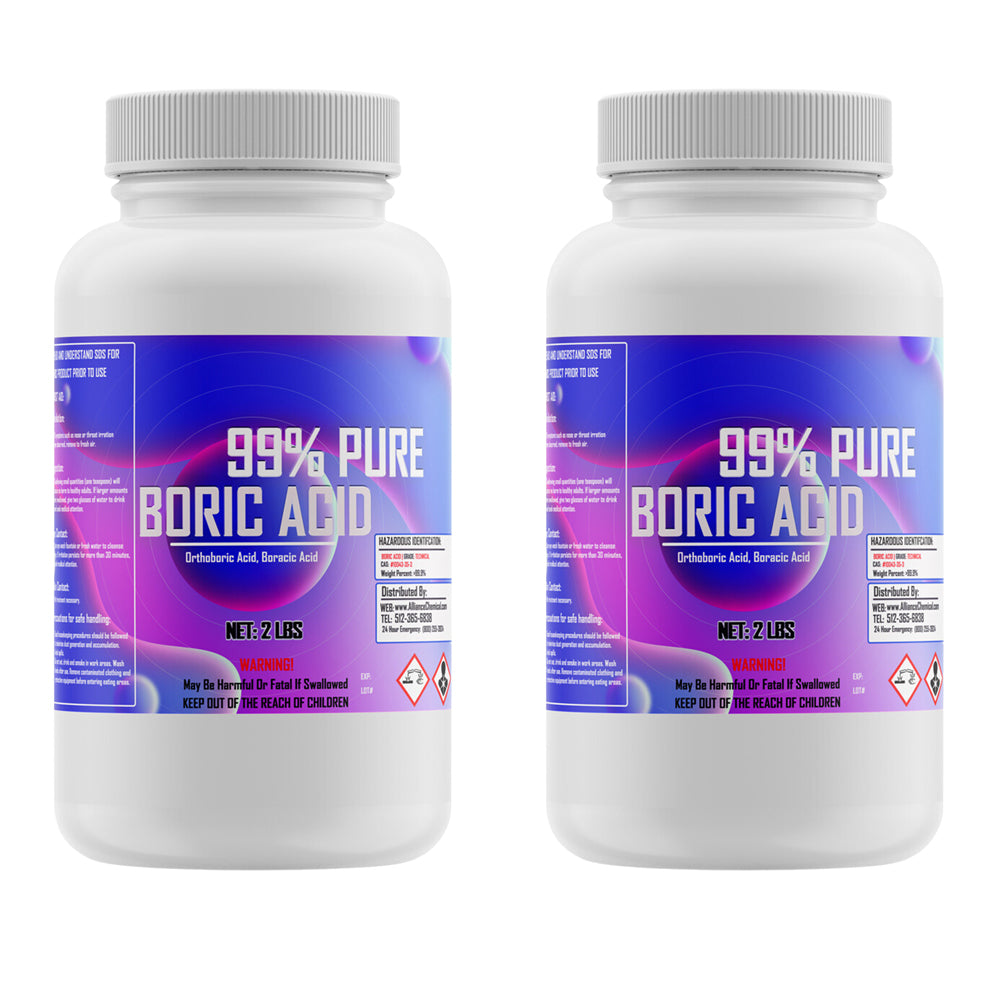
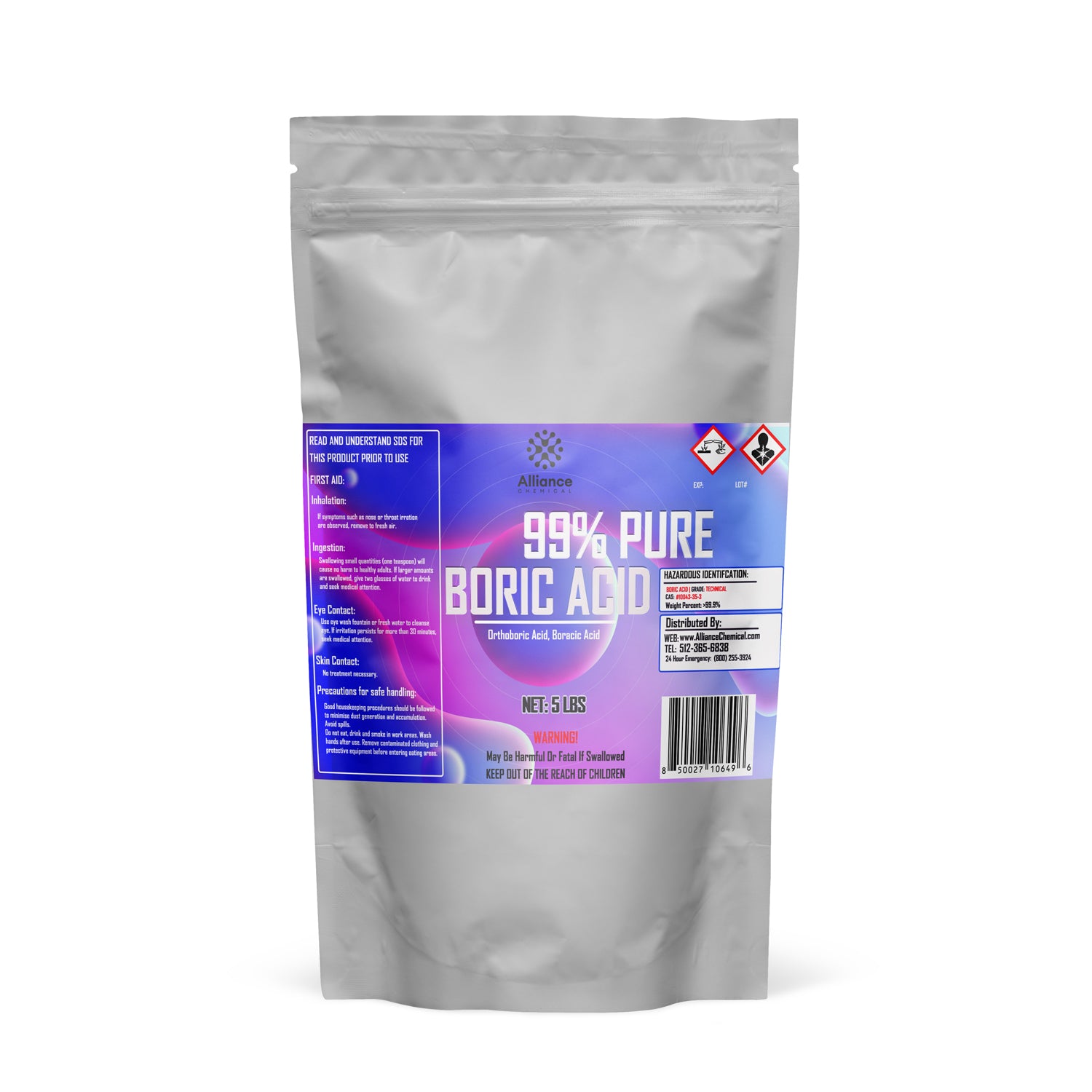
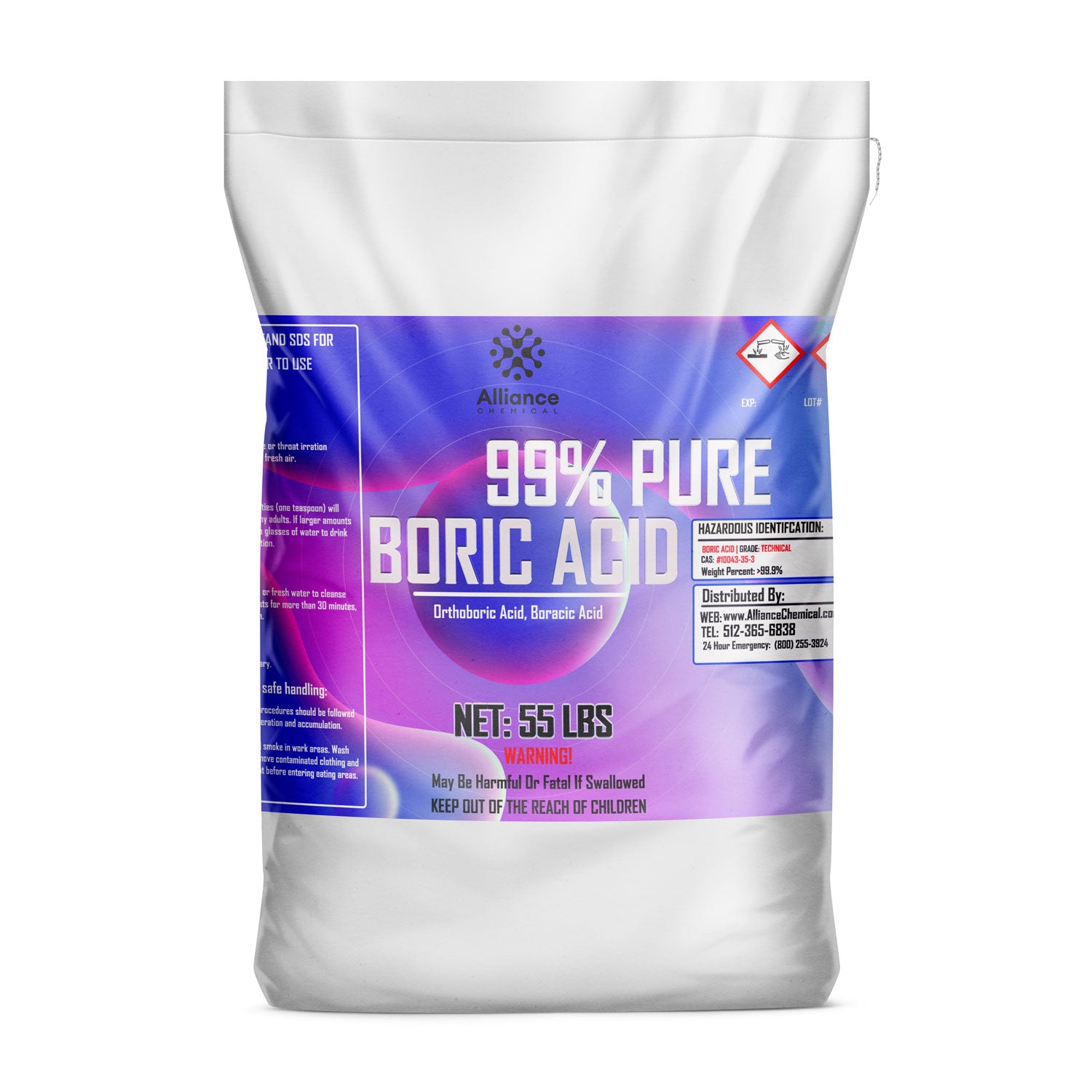
Product Overview
Boric Acid (H₃BO₃), also known as Hydrogen Borate or Orthoboric Acid, is a Technical Grade weak acid utilized extensively in industrial manufacturing and chemical processing. As a white, odorless crystalline powder with excellent water solubility, it serves as a critical pH adjuster and buffering agent in aqueous systems. This product is formulated to meet high purity standards (Technical Grade), ensuring consistent performance for neutralization, chemical synthesis, and metallurgical processes.
Industrial buyers rely on Boric Acid for its stability and versatility. It acts as a primary component in flame retardant formulations, a fluxing agent in glass and ceramic production, and a precursor in the synthesis of other boron compounds. Its specific gravity and solubility profile allow for precise dosing in high-throughput manufacturing environments. Packaging is designed to minimize moisture absorption and clumping, ensuring the material remains free-flowing for immediate application.
Key Properties
-
CAS Number: 10043-35-3
-
Chemical Formula: H₃BO₃
-
Grade: Technical
-
Appearance: White crystalline powder
-
Odor: Odorless
-
Molecular Weight: 61.83 g/mol
-
Specific Gravity: 1.435 – 1.445 (typical 1.44)
-
Solubility: Soluble in water, slightly soluble in alcohol
-
Melting Point: 170.9°C (339.6°F)
-
Residue After Ignition: ≤0.1%
-
Chloride (Cl): ≤30 ppm
-
Sulfate (SO₄²⁻): ≤200 ppm
-
Iron (Fe): ≤1 ppm
-
Storage Stability: Shelf life 24 months from manufacture date under proper conditions
Common Industrial Applications
-
pH Buffering Agent: Maintains stable acidity levels in industrial water treatment and chemical processing streams to prevent corrosion or scale.
-
Flame Retardants: Used in the manufacturing of flame-resistant materials, acting as a char-forming agent to suppress combustion.
-
Glass and Ceramics: Functions as a flux and network former to control the coefficient of expansion and improve durability in technical glasses and glazes.
-
Chemical Synthesis: Precursor for the production of borate salts, boron trifluoride, and other specialized boron compounds.
-
Electroplating: Utilized in nickel plating baths to buffer the solution and prevent high pH excursions at the cathode surface.
-
Metallurgy: Acts as a hardening agent and flux in welding and brazing operations to prevent oxidation.
Safety and Handling
Handle Boric Acid with appropriate Personal Protective Equipment (PPE), including industrial-grade gloves, safety goggles, and dust masks to prevent inhalation. Use in well-ventilated areas to manage dust levels. Store in a cool, dry environment in tightly sealed containers (HDPE or glass recommended) to prevent moisture uptake.
Emergency Measures: In case of eye contact, flush immediately with water for 15 minutes. If inhaled, move to fresh air. Refer to the Safety Data Sheet (SDS) for detailed spill containment and disposal procedures compliant with local regulations.
Benefits
-
High Purity Profile: Low impurity levels regarding heavy metals and chlorides support sensitive industrial applications.
-
Consistent Granulation: Uniform particle size ensures predictable dissolution rates in aqueous solutions.
-
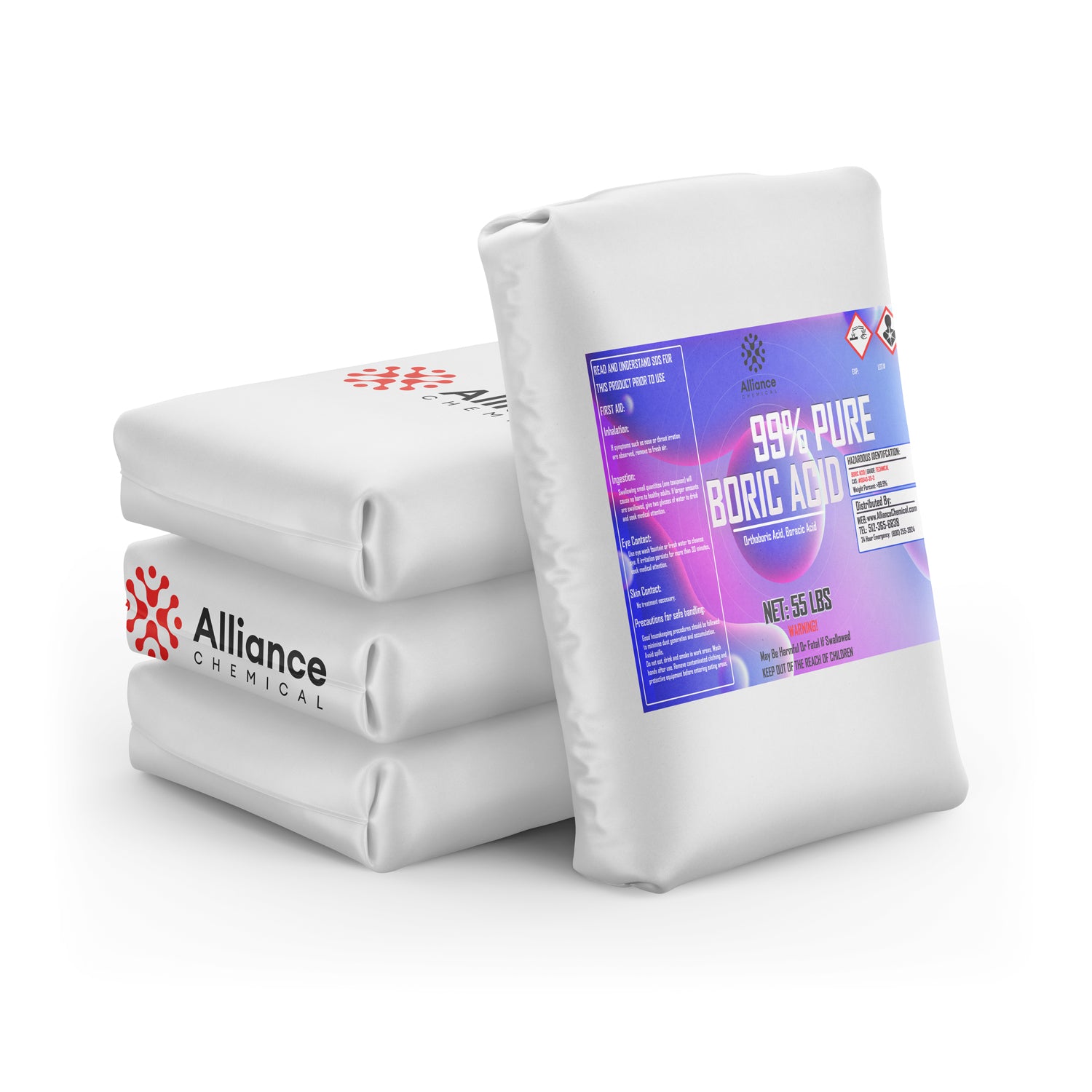
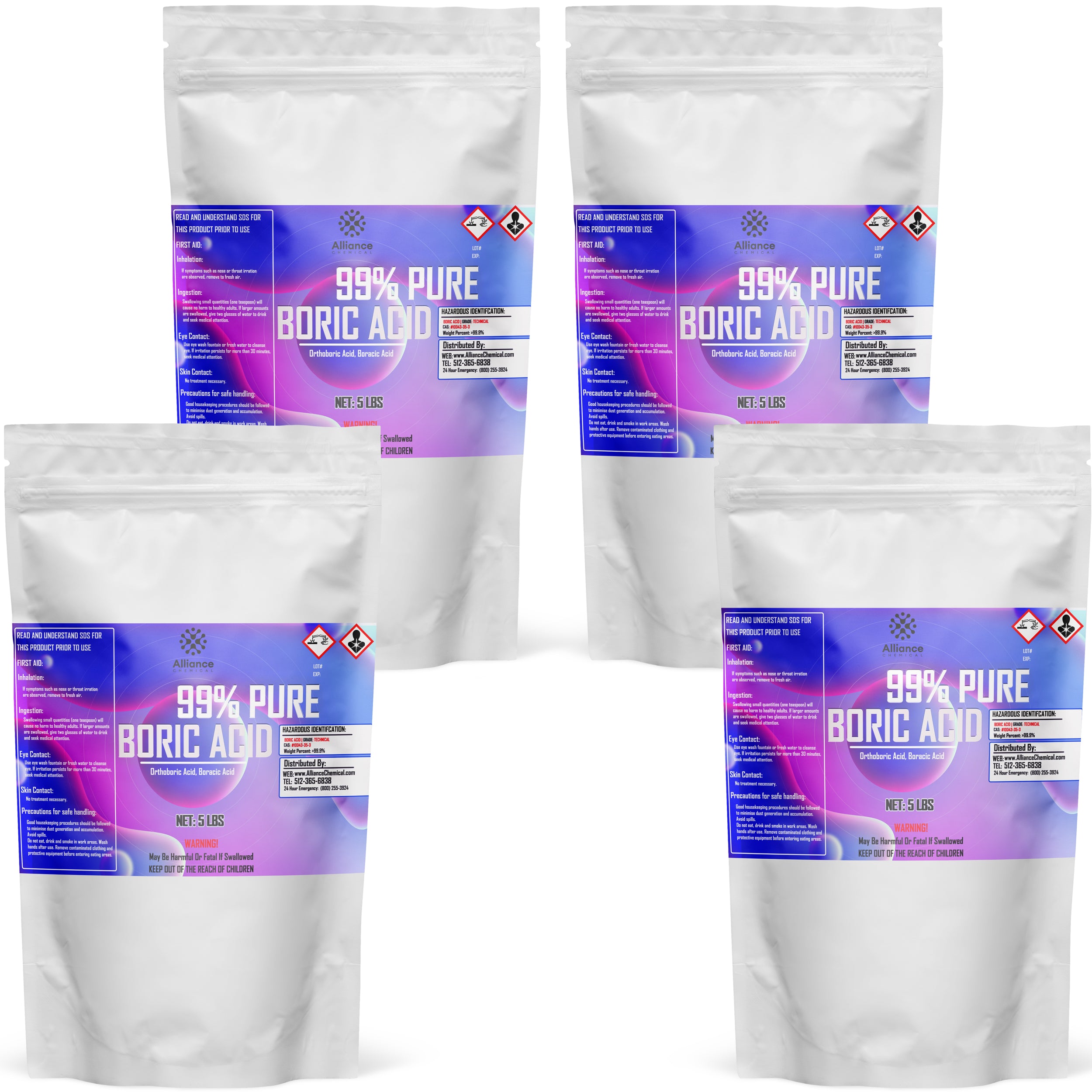
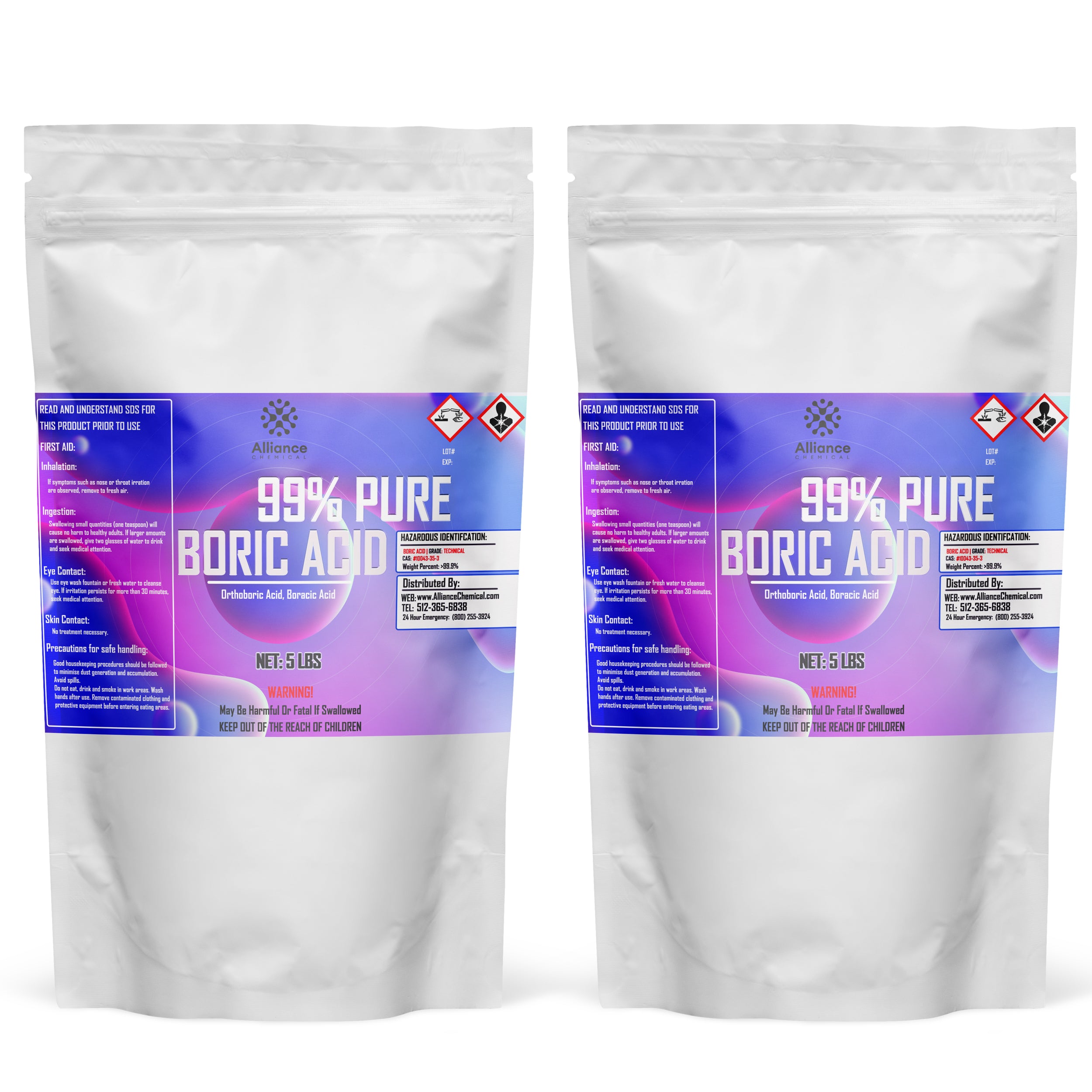
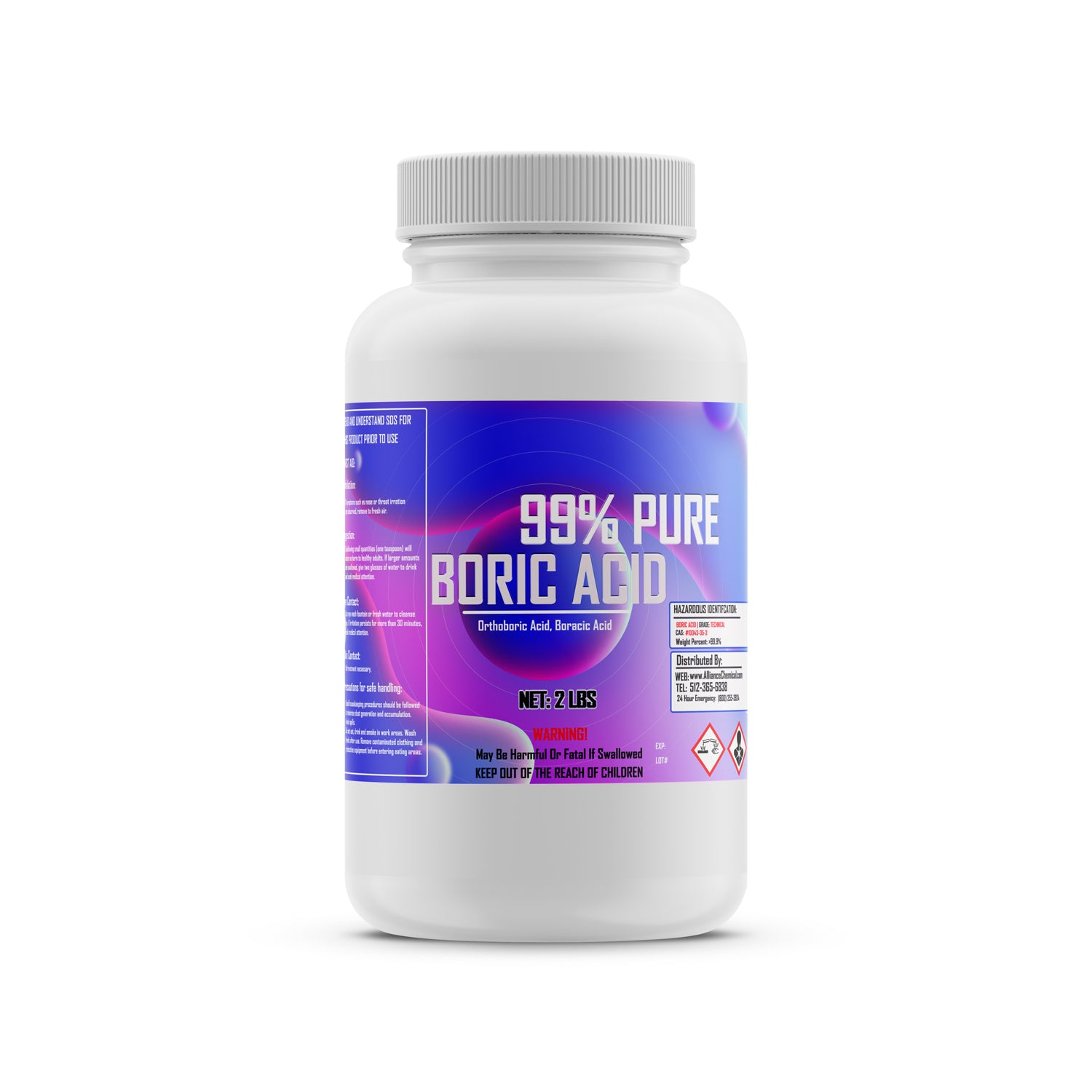
Versatile Packaging: Available in sizes ranging from 2 lbs to 50 lbs to suit pilot testing or full-scale production.
Related Products
| Molecular Weight |
61.83 g/mol |
| Formula |
H3BO3 |
| Assay |
100% |
| Grade |
Reagent |
| Flash Point |
N/A |
| Form |
Solid |
| Solubility |
High water solubility |
| Appearance |
White fine crystalline powder, lightweight texture |
| Melting Point |
170 °C |
| Boiling Point |
300 °C |
| Specific Gravity |
1.435 |
| Industry |
Industrial, Environmental, Healthcare
|