

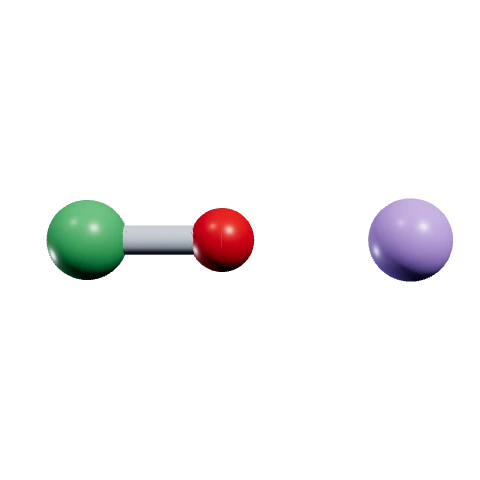


Green Clean: Elevate Your Cannabis Cultivation with Sodium Hypochlorite Sanitization
How hypochlorite chemistry actually behaves in a grow environment — and where the line sits between chemistry and a regulated sanitising claim
In This Guide
In cannabis cultivation, sanitation is not optional. It is the single most important variable separating premium harvests from catastrophic crop losses. Pathogens like Hop Latent Viroid (HpLVd), powdery mildew, Botrytis, and Fusarium can silently devastate an entire grow operation, reducing potency, yield, and market value overnight. Sodium hypochlorite (NaOCl)—the active ingredient in bleach—remains the gold standard for commercial grow room sanitization, delivering broad-spectrum pathogen elimination at a fraction of the cost of specialty disinfectants.
This comprehensive guide covers every aspect of NaOCl use in cannabis cultivation: dilution protocols for every application, pathogen-specific efficacy data, phase-by-phase sanitization schedules, head-to-head comparisons with alternative disinfectants, surface and equipment protocols with exact contact times, chemical safety best practices, and the supporting chemicals that keep your facility compliant and your plants thriving.
Why Hypochlorite Is the Chemistry Facilities Reach For
Sodium hypochlorite is the workhorse disinfectant of professional agriculture, municipal water treatment, food processing, and healthcare. At 12.5% concentration, it is the professional-grade formulation used by commercial cannabis facilities worldwide. Here is what the chemistry does, and where the regulatory line sits:
Broad-Spectrum Efficacy
NaOCl is a broad-spectrum oxidiser, active in the laboratory against bacteria, fungi, viruses, viroids, algae and biofilms. Turning that chemistry into a sanitising claim for a specific surface requires a registered product used to its label. Unlike narrow-spectrum disinfectants, a single bleach solution addresses every microbial threat in cannabis cultivation, from Pythium root rot to Tobacco Mosaic Virus.
Rapid Oxidation Mechanism
Hypochlorous acid (HOCl)—the active species formed when NaOCl dissolves in water—penetrates pathogen cell walls and destroys proteins, enzymes, and nucleic acids within minutes. This oxidative damage is irreversible and non-selective.
Unmatched Cost Efficiency
At approximately $0.05–$0.10 per gallon of working solution, NaOCl costs 5–20x less than quaternary ammonium compounds, peracetic acid, or specialty cannabis disinfectants. For large commercial operations running thousands of square feet, this savings is substantial.
Zero Residual Buildup
NaOCl breaks down into sodium chloride (salt) and water, leaving no persistent chemical residue on surfaces. This is critical for cannabis cultivators concerned about residual contamination affecting flower quality or compliance testing. Compare this with the green chemistry principles guiding modern agriculture.
Additionally, sodium hypochlorite has an unbroken track record spanning more than a century in water purification and food safety. It is well documented and understood by regulators—which simplifies compliance documentation for licensed cannabis operations. When stored properly using appropriate chemical storage protocols, 12.5% NaOCl maintains potency for 3–6 months.
NaOCl vs. H2O2 vs. Peracetic Acid: Head-to-Head Comparison
Cultivators often ask which disinfectant is "best." The honest answer is that each has a role, and smart operations use multiple agents strategically. Here is how sodium hypochlorite stacks up against hydrogen peroxide and peracetic acid (PAA)—the three most common professional disinfectants in cannabis cultivation:
| Factor | Sodium Hypochlorite (NaOCl) | Hydrogen Peroxide (H2O2) | Peracetic Acid (PAA) |
|---|---|---|---|
| Active Species | Hypochlorous acid (HOCl) | Hydroxyl radicals (OH•) | Peracetic acid + acetic acid |
| Spectrum | Bacteria, fungi, viruses, viroids, algae, biofilm | Bacteria, fungi, some viruses, algae | Bacteria, fungi, viruses, spores, biofilm |
| HpLVd Efficacy | Excellent (10% solution, 10 min) | Moderate (higher concentrations needed) | Good (5%, 10 min) |
| Contact Time | 5–10 minutes typical | 10–30 minutes | 5–15 minutes |
| Cost per Gallon (Working Solution) | $0.05–$0.10 | $0.25–$0.75 | $1.00–$3.00 |
| Corrosion Risk | Moderate (metals, rubber) | Low (most materials) | Moderate (metals, some plastics) |
| Residue | Salt + water (rinse recommended) | Water + oxygen (no rinse needed) | Acetic acid (vinegar-like, minimal rinse) |
| Plant Safety | Toxic to plants at working concentrations | Root-zone safe at low ppm; oxygenates roots | Toxic to plants at working concentrations |
| Shelf Stability | 3–6 months (12.5%, cool/dark) | 6–12 months (food-grade, sealed) | 6–12 months (concentrated, sealed) |
| Mixing Hazards | Never mix with acids, ammonia, or H2O2 | Never mix with NaOCl or metals | Never mix with NaOCl or strong bases |
| Best Use Case | Surface/tool sanitization, room turnover, irrigation flush | Root-zone treatment, gentle surface sanitization, between bleach cycles | Food-contact surfaces, organic-certified operations |
Supporting Chemicals for Cannabis Facilities
Bleach is the sanitization backbone, but a complete Integrated Pest Management (IPM) and facility hygiene program requires complementary chemicals. Each agent fills a specific niche that NaOCl cannot:
| Chemical | Role in Cannabis Cultivation | When to Use | Key Consideration |
|---|---|---|---|
| Hydrogen Peroxide (H2O2) | Root zone oxygenation, mild surface sanitization, root rot rescue | Between bleach cycles; sensitive equipment; root zone | Plant-safe at low ppm; no NaOCl mixing |
| Isopropyl Alcohol (99%) | Quick tool sterilization, resin removal, surface wipe | Between plant contacts for quick turnaround | 70% dilution is optimal for disinfection |
| Phosphoric Acid (H3PO4) | pH down, mineral deposit removal, nutrient source | Nutrient mixing, system descaling | Never mix with NaOCl—releases chlorine gas |
| Sodium Hydroxide (NaOH) | pH up, heavy-duty degreasing, organic soil removal | Deep cleaning, drain maintenance, pH adjustment | Strong base—requires full PPE |
| Sodium Bisulfite | Dechlorination after NaOCl treatment | Before introducing treated water to plants/nutrients | 1.46 mg per mg free chlorine |
| Distilled / DI Water | Equipment rinsing, calibration solutions, sensitive applications | Final rinse after sanitization, pH meter calibration | Zero mineral content prevents scale |
Safety Guidelines & PPE Requirements
Sodium hypochlorite is a powerful oxidizer that demands respect. Handled correctly, it is one of the safest and most effective disinfectants available. Handled carelessly, it poses risks of chemical burns, toxic gas generation, and regulatory violations. For a comprehensive overview, see our chemical safety guide.
Required Personal Protective Equipment
Every person who handles NaOCl—whether mixing, applying, or cleaning up—must wear proper personal protective equipment:
- Chemical splash goggles (ANSI Z87.1 rated)—not safety glasses. Goggles create a full seal around the eyes to prevent splash exposure.
- Nitrile gloves (minimum 8 mil thickness)—replace immediately if torn, punctured, or exposed for more than 30 minutes continuously.
- Chemical-resistant apron (PVC or rubber) for mixing concentrated solutions and performing deep cleaning tasks.
- Respiratory protection (NIOSH-approved OV/CL cartridge respirator) when working in enclosed spaces, mixing concentrated solutions, or if chlorine odor is detectable.
- Closed-toe, chemical-resistant footwear—no sandals, cloth shoes, or bare feet in areas where NaOCl is used.
Emergency Procedures
Eye Contact
Immediately flush with clean water for at least 15 minutes. Remove contact lenses if present. Seek medical attention if irritation persists. Ensure an eyewash station is within 10 seconds of any NaOCl mixing area.
Skin Contact
Remove contaminated clothing. Wash affected area with soap and running water for 5 minutes minimum. For concentrated solution exposure, continue washing for 15 minutes and seek medical evaluation.
Inhalation
Move to fresh air immediately. If breathing is difficult, administer oxygen if available. If chlorine gas exposure is suspected (mixing incident), call 911 and poison control.
- Ammonia or ammonium compounds → produces toxic chloramine gas (headache, nausea, respiratory damage)
- Acids (vinegar, muriatic acid, citric acid, phosphoric acid) → releases chlorine gas (potentially lethal in enclosed spaces)
- Hydrogen peroxide → violent exothermic reaction releasing oxygen and chlorine
- Isopropyl alcohol → produces chloroform and other halogenated compounds
- Other oxidizers (potassium permanganate, ozone) → unpredictable, potentially explosive reactions
Always rinse surfaces thoroughly between different chemical applications. Store NaOCl separately from all other chemicals. For detailed storage guidance, consult our chemical storage guide for labs and safe chemical disposal guide.
Storage Best Practices
- Store in original HDPE container in a cool, dark, well-ventilated area—NaOCl degrades rapidly in heat and UV light
- Keep away from metals—bleach corrodes steel, aluminum, and copper over time
- Maintain storage temperature below 77°F (25°C); shelf life drops dramatically above this threshold
- 12.5% NaOCl loses approximately 0.5–1% active chlorine per month under ideal conditions
- Never store above other chemicals—leaks can cause dangerous reactions with incompatible materials below
- Keep SDS (Safety Data Sheet) posted at the storage location and in the mixing area
- Review our chemical disposal guide for proper waste handling
Compliance & Documentation
Licensed cannabis operations face rigorous regulatory oversight. Sanitation documentation is not just good practice—it is a legal requirement in most jurisdictions. Your facility should maintain the following records:
- Daily sanitation logs: Date, time, operator name, areas cleaned, solution concentration (verified ppm), contact time, and any deviations from SOP
- Chemical inventory records: Product name, lot number, date received, date opened, expiration date, quantity on hand
- SDS file: Current Safety Data Sheets for every chemical in the facility, accessible within 30 seconds per OSHA requirements
- Training records: Documentation that every employee has been trained on NaOCl handling, dilution, PPE use, and emergency procedures
- Water quality test results: Source water testing, post-treatment verification, and nutrient solution monitoring
- Equipment calibration logs: pH meters, EC meters, chlorine test equipment, dosing pumps
Frequently Asked Questions
Can I use household bleach (5.25%) instead of 12.5%?
Technically yes, but it is inefficient and unreliable for professional operations. You would need approximately 2.4x more volume to achieve the same ppm, and household bleach often contains fragrances, thickeners, or surfactants that leave residues on grow equipment. These additives can affect plant health and may cause compliance issues during testing. Professional 12.5% sodium hypochlorite is pure, purpose-built for commercial sanitization, and significantly more economical per effective gallon.
How do I verify my bleach solution is still active?
Use chlorine test strips (DPD reagent type, available at pool supply stores or laboratory suppliers) to verify free chlorine ppm. Test strips are inexpensive and provide results in seconds. Prepared working solutions should be used within 24 hours maximum. Stock 12.5% NaOCl maintains potency for 3–6 months when stored below 77°F in opaque containers away from light. If your stock solution smells weak or watery, test it—it has likely degraded.
How do I dispose of used bleach solutions?
Dilute solutions below 500 ppm can typically be discharged to municipal sewer with running water per most local codes. Concentrated waste should be neutralized with sodium thiosulfate (2.5 mg per mg of free chlorine) or sodium bisulfite, or allowed to off-gas in a ventilated area for 24–48 hours before disposal. Always check local regulations—some jurisdictions have specific requirements for discharge of chlorinated wastewater. For comprehensive guidance, review our chemical disposal guide.
Can I use NaOCl directly on cannabis plants?
No. Working concentrations of NaOCl (even 50 ppm) will cause phytotoxicity—bleaching, tissue damage, and cell death in plant tissue. NaOCl is exclusively for surfaces, tools, equipment, water treatment, and environmental sanitization. For plant-safe pathogen management, consider dilute hydrogen peroxide foliar sprays or biological fungicides as part of your IPM program.
How does NaOCl compare to UV-C sterilization?
UV-C (254 nm) is excellent for air and water treatment in cannabis facilities, but it cannot replace chemical sanitization for surfaces and tools. UV-C only works in direct line-of-sight—it cannot penetrate shadows, crevices, or biofilm layers. NaOCl reaches every surface it contacts, including porous materials and complex geometries. The best facilities use both: UV-C for continuous air and water treatment, NaOCl for surface and tool sanitization.
Professional-Grade Sanitization for Your Cannabis Operation
Alliance Chemical supplies 12.5% sodium hypochlorite in quart, gallon, 5-gallon, and 55-gallon drum quantities. Consistent concentration, certificate of analysis available, fast shipping, and bulk pricing for commercial cannabis operations.
Shop Sodium Hypochlorite 12.5% Browse All Disinfectants Hydrogen Peroxide Solutions
Questions about bulk orders or custom concentrations? Contact our team at sales@alliancechemical.com
References & Authoritative Sources
Chemical identity, properties, and safety data sourced from the U.S. National Library of Medicine's PubChem database — the authoritative open-chemistry data resource maintained by the National Institutes of Health.
- PubChem CID 23665760: Sodium Hypochlorite 12.5% — National Center for Biotechnology Information, U.S. National Library of Medicine. CAS 7681-52-9.
- PubChem CID 784: Hydrogen Peroxide 3% Technical Grade — National Center for Biotechnology Information, U.S. National Library of Medicine. CAS 7722-84-1.
- PubChem CID 3776: Isopropyl Alcohol 99% - Technical Grade — National Center for Biotechnology Information, U.S. National Library of Medicine. CAS 67-63-0.
- PubChem CID 1004: Phosphoric Acid 75 ACS Grade — National Center for Biotechnology Information, U.S. National Library of Medicine. CAS 7664-38-2.
Related: Sodium Hypochlorite for Cooling Towers & AI Data Centers — dosing, cost per pound of active chlorine, and the AI data-center cooling angle.
Related: Who Discovered Chlorine? The 1774 Green Gas That Became Sodium Hypochlorite — how hypochlorite chemistry was discovered and first put to work.
Key numbers and sources
| Fact | Value | Source |
|---|---|---|
| Chemical formula of sodium hypochlorite | NaOCl | pubchem.ncbi.nlm.nih.gov |
| Professional-grade sodium hypochlorite concentration used in cannabis facilities | 12.5% | See article text |
| Personal protective equipment: minimum nitrile glove thickness | 8 mil | See article text |
| Shelf stability of 12.5% NaOCl when stored properly | 3–6 months | See article text |
| Recommended storage temperature threshold for NaOCl | below 77°F (25°C) | See article text |
| Degradation rate of 12.5% NaOCl under ideal conditions | loses approximately 0.5–1% active chlorine per month | See article text |
| CAS number for sodium hypochlorite | 7681-52-9 | pubchem.ncbi.nlm.nih.gov |
Frequently asked questions
Can you use bleach and hydrogen peroxide together for cannabis facility cleaning?
Never mix bleach (sodium hypochlorite) and hydrogen peroxide—they react to produce oxygen gas and can create dangerous heat and spattering. Use them in separate cleaning cycles with thorough water rinsing between applications. Bleach is better for surface disinfection, while H₂O₂ is preferred for root zone treatment in active growing systems.
Related Chemical Collections
About the author
Andre Taki
This article is for informational purposes only.


