



lower-hazard Pest Control: Why Food Grade D‑Limonene is Your Ultimate lower-toxicity Alternative
Harness the natural solvent power of citrus terpenes for rapid, lower-toxicity pest elimination.
The Science of D-Limonene as a Botanical Insecticide
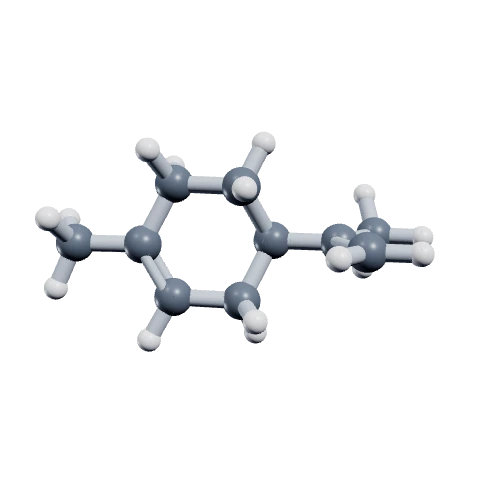
D-Limonene (CAS 5989-27-5) stands as a premier botanical insecticide, offering a highly effective alternative to synthetic neurotoxins. Extracted directly from the rinds of citrus fruits during commercial juice production, this monocyclic monoterpene boasts a purity of 90-97% in its high-grade forms. When utilized in pest management, its mechanism of action is entirely physical rather than chemical.
Upon direct contact with an insect, D-Limonene acts as a powerful natural solvent. It rapidly dissolves the protective waxy cuticle that coats the exoskeleton of soft-bodied insects. Without this lipid layer, the insect cannot retain moisture, leading to immediate and fatal desiccation. the compound penetrates the respiratory system, disrupting sensory nerves and causing rapid knockdown. Because the mode of action relies on physical destruction of the exoskeleton, pest populations cannot easily develop genetic resistance to D-Limonene, a common failure point with traditional chemical pesticides.
Food-grade D-Limonene is specifically distilled to remove impurities, making it the required standard for applications in kitchens, food processing facilities, and agricultural packing lines. Alliance Chemical supplies this high-purity solvent to formulators and operators who demand strict compliance with food safety standards. The clear, colorless liquid carries a distinct citrus aroma, signaling its natural origin while delivering industrial-strength efficacy.
Operators appreciate that this botanical extract leaves no harmful chemical footprint. It degrades rapidly in the presence of sunlight and oxygen, ensuring that treated areas are safe for re-entry shortly after application. Whether managing a commercial greenhouse or a residential property, understanding this physical mechanism of action is the first step in deploying D-Limonene effectively.
Integration with Integrated Pest Management (IPM) Programs
Integrated Pest Management (IPM) is a comprehensive approach that prioritizes long-term prevention and minimal environmental impact. D-Limonene is a cornerstone chemical in modern IPM programs due to its FDA Generally Recognized As Safe (GRAS) status and its EPA 25(b) exemption as a minimum-risk pesticide.
In an IPM framework, D-Limonene serves as the primary knockdown agent. When an active infestation is identified, operators deploy the citrus solvent to immediately reduce the pest population and sanitize the affected area. Because it leaves no toxic residual footprint, it perfectly aligns with IPM principles that seek to minimize human and animal exposure to persistent chemicals. However, the lack of residual activity means D-Limonene must be paired with other control methods for long-term success.
After the initial knockdown, operators frequently apply mechanical controls, improve sanitation, and utilize residual dusts. For example, Boric Acid (CAS 10043-35-3) is an ideal complementary treatment. Featuring a high water solubility and a melting point of 170°C (338°F), this white crystalline powder acts as a slow-acting stomach poison for crawling insects. By using D-Limonene to eliminate the immediate threat and clean the pheromone trails, and then applying Boric Acid deep into wall voids and crevices, operators achieve both immediate and long-term control.
This dual-chemical strategy is highly effective in sensitive environments like schools, hospitals, and commercial kitchens. Alliance Chemical stocks both food-grade D-Limonene and technical-grade Boric Acid, providing pest control professionals with the foundational chemistries required to execute compliant, highly effective IPM protocols without relying on restricted-use synthetic neurotoxins.
Agricultural and Commercial Food Processing Applications
Commercial food processing facilities and agricultural operations face strict regulatory hurdles regarding pest management. The introduction of synthetic pesticides into these environments risks chemical contamination of the food supply, leading to costly recalls and regulatory fines. Food-grade D-Limonene provides a critical solution to this challenge.
In food processing plants, it is utilized to manage pests around packing lines, storage silos, and loading docks without halting production. Its dual functionality as both an insecticide and a heavy-duty industrial degreaser means operators can clean machinery, remove organic buildup, and eliminate insect harborages in a single application. The FDA GRAS status ensures that incidental contact with food surfaces does not pose a health risk, provided the surfaces are properly wiped down.
In agricultural settings, organic farmers and greenhouse operators deploy D-Limonene as a contact spray for soft-bodied pests. It offers significant regulatory advantages, including minimal re-entry intervals (REI) and zero days to harvest (PHI) in many jurisdictions. This allows farmers to treat crops immediately before harvest if a late-stage infestation occurs.
Unlike technical-grade variants, which may contain trace impurities from the extraction process, food-grade D-Limonene is rigorously distilled to meet strict purity standards. This makes it the only acceptable choice for applications involving direct or indirect food contact. Alliance Chemical supplies bulk drums and totes of this high-purity solvent to agricultural cooperatives and food manufacturers, ensuring they have reliable access to compliant pest control and sanitation chemistries. Facility managers use it in standard operating procedures as a degreaser where a citrus-derived solvent is preferred to a petroleum distillate.
Safety, Handling, and Storage Protocols
While food-grade D-Limonene is celebrated for its safety profile and lower-toxicity nature, it remains a highly concentrated terpene and a powerful industrial solvent. Proper safety, handling, and storage protocols are mandatory to protect workers and maintain the chemical's efficacy.
When handling the undiluted liquid, operators must wear appropriate personal protective equipment (PPE), including chemical-resistant gloves and eye protection. Prolonged or repeated skin contact with the concentrated oil can strip natural oils from the skin, leading to irritation or allergic contact dermatitis. Inhalation of concentrated vapors in poorly ventilated spaces may cause mild respiratory irritation, so adequate airflow is required during indoor applications.
Storage conditions directly impact the shelf life and safety of the product. D-Limonene is susceptible to oxidation when exposed to light, heat, and air. Oxidized D-Limonene is significantly more likely to cause skin sensitization. Therefore, it must be stored in tightly sealed, opaque containers in a cool, dry environment away from direct sunlight. As a volatile organic compound (VOC), it also presents flammability risks in its concentrated form. It must be kept away from open flames, sparks, and high-heat sources.
When diluting the product for pest control, always mix only what is needed for the immediate application, as the water-emulsion will degrade over time. Facility managers should consult the product Safety Data Sheet (SDS) for specific spill response and disposal guidelines. By adhering to these handling protocols, operators can safely leverage the pest-destroying power of D-Limonene while mitigating the inherent risks associated with concentrated botanical solvents.
Comparing D-Limonene to Other Solvents
Building a comprehensive, lower-hazard pest control and sanitation program requires understanding how different chemistries complement one another. While D-Limonene is unmatched for rapid insect knockdown and degreasing, it is just one component of a robust lower-toxicity arsenal. Comparing it to other products in the Alliance Chemical catalog highlights its specific utility.
For instance, Hydrogen Peroxide 3% Technical Grade (CAS 7722-84-1) is a clear, colorless liquid with a boiling point of 150°C (302°F). It is used industrially as an oxidiser. It has no terpene solvency, so the two chemicals behave very differently on oily residues.
Conversely, Boric Acid (CAS 10043-35-3) is a white fine crystalline powder with a molecular weight of 61.84. It provides exceptional, long-lasting residual control for crawling insects. Because it operates as a slow-acting stomach poison, it does not offer the immediate contact kill that D-Limonene provides.
A smart operator utilizes all three: Hydrogen Peroxide 3% for broad-spectrum sanitation and fungal control, D-Limonene for immediate insect knockdown and pheromone trail destruction, and Boric Acid for long-term residual protection in structural voids. By sourcing these foundational chemicals from Alliance Chemical, pest control professionals and facility managers can formulate highly effective, customized treatments. Understanding the distinct physical properties and mechanisms of action for each chemical empowers operators to apply the right solution to the right problem, ensuring facilities remain pest-free without reliance on harsh synthetic toxins.
| Chemical Agent | Primary Action | Target Pests | Residual Activity |
|---|---|---|---|
| D-Limonene (Food Grade) | Exoskeleton desiccation (Contact) | Ants, roaches, fleas, aphids | None (Rapid evaporation) |
| Boric Acid (Technical) | Stomach poison (Ingestion) | Ants, silverfish, roaches | High (Long-term powder) |
| Hydrogen Peroxide 3% | Oxidation / Sanitation | Fungus gnats, mold, bacteria | None (Breaks down to water/oxygen) |
Frequently Asked Questions
Ready to integrate lower-toxicity, highly effective botanical solvents into your pest management program? Alliance Chemical supplies premium Food Grade D-Limonene, Technical Grade Boric Acid, and Hydrogen Peroxide 3% in bulk quantities for formulators, agricultural operations, and commercial facilities. Browse our catalog to secure the high-purity chemistries your operation demands.
Hydrogen Peroxide 3% Technical GradeBoric AcidReferences & Authoritative Sources
Chemical identity, properties, and safety data sourced from the U.S. National Library of Medicine's PubChem database — the authoritative open-chemistry data resource maintained by the National Institutes of Health.
- PubChem CID 784: Hydrogen Peroxide 3% Technical Grade — National Center for Biotechnology Information, U.S. National Library of Medicine. CAS 7722-84-1.
- PubChem CID 7628: Boric Acid — National Center for Biotechnology Information, U.S. National Library of Medicine. CAS 10043-35-3.
Related: Why d-Limonene Dissolves Styrofoam: The Orange-Peel Solvent Explained — the orange-peel solvent explained: why it dissolves Styrofoam, where it hides, and is it safe.
Key numbers and sources
| Fact | Value | Source |
|---|---|---|
| D-Limonene CAS number | 5989-27-5 | pubchem.ncbi.nlm.nih.gov |
| D-Limonene typical purity | 90–97% | See article text |
| Boric Acid CAS number | 10043-35-3 | pubchem.ncbi.nlm.nih.gov |
| Boric Acid melting point | 170°C (338°F) | pubchem.ncbi.nlm.nih.gov |
| Boric Acid molecular weight | 61.84 | pubchem.ncbi.nlm.nih.gov |
| Hydrogen Peroxide CAS number | 7722-84-1 | pubchem.ncbi.nlm.nih.gov |
| Hydrogen Peroxide boiling point | 150°C (302°F) | pubchem.ncbi.nlm.nih.gov |
Frequently asked questions
What is the difference between food-grade and technical-grade D-Limonene?
Food-grade D-Limonene undergoes rigorous distillation to remove impurities, making it safe for use in food processing facilities and commercial kitchens. Technical-grade may contain trace impurities from the extraction process and is better suited for industrial degreasing.
Related Chemical Collections
About the author
Andre Taki
This article is for informational purposes only.


