
The Top Applications of Sodium Hypochlorite 12.5% in Everyday Industries
Table of Contents
What you will learn
The Top Applications of Sodium Hypochlorite 12.5% in Everyday Industries
The definitive technical guide to industrial-strength NaOCl: chemistry, dosing, applications, safety protocols, and best practices for water treatment, sanitation, cleaning, and beyond.
Sodium Hypochlorite (NaOCl) is the single most widely deployed disinfectant on the planet. While consumers know it as household bleach, the industrial-strength 12.5% formulation is the backbone of modern sanitation infrastructure, from municipal water treatment plants to food processing facilities, commercial pools, healthcare environments, and professional exterior cleaning operations. This comprehensive guide covers the chemistry of chlorine disinfection, compares NaOCl concentration grades, provides detailed dosing tables for every major application, and outlines the critical chemical safety protocols that professionals must follow.
The Chemistry of Chlorine Disinfection: How NaOCl Works
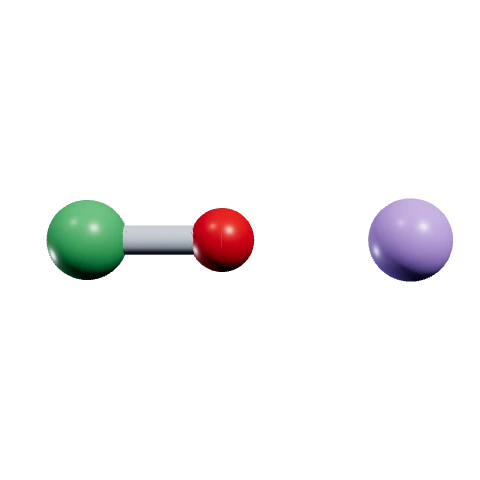
Sodium Hypochlorite is the sodium salt of hypochlorous acid. When dissolved in water, it dissociates to establish a pH-dependent equilibrium between the hypochlorite ion (OCl−) and the far more potent germicide, hypochlorous acid (HOCl):
Hypochlorous acid is the active disinfecting species. As a powerful oxidizing agent, HOCl destroys microorganisms by penetrating their cell membranes, disrupting the lipid bilayer, and inactivating key metabolic enzymes. The combined concentration of HOCl and OCl− in solution is referred to as Free Available Chlorine (FAC), the primary metric used to measure disinfection potential in water treatment, pool chemistry, and sanitation testing.
The Critical Role of pH in Disinfection Efficacy
The ratio of HOCl to OCl− is governed almost entirely by pH. This relationship is one of the most important factors in applied chlorination chemistry:
- pH 6.0–7.5 (optimal range): The equilibrium strongly favors HOCl formation. At pH 7.0, approximately 75% of FAC exists as HOCl, providing rapid and efficient microbial kill.
- pH 7.5–8.0 (diminishing returns): The balance shifts toward OCl−. At pH 8.0, only about 22% of FAC is HOCl, significantly reducing germicidal potency.
- pH above 8.5 (poor efficacy): Nearly all FAC exists as the much weaker hypochlorite ion, and contact times must be dramatically extended to achieve adequate disinfection.
Breakpoint Chlorination: Eliminating Chloramines
When NaOCl reacts with ammonia or organic nitrogen compounds in water, it forms chloramines (combined chlorine), which are far less effective as disinfectants and produce the characteristic unpleasant "chlorine smell" associated with poorly maintained pools. Breakpoint chlorination is the practice of adding enough NaOCl to fully oxidize all chloramines, converting them to nitrogen gas (N₂) and restoring the FAC to pure HOCl/OCl−. This technique is critical in both municipal water treatment and commercial pool management.
Sodium Hypochlorite Concentration Grades: 3% vs. 6% vs. 10% vs. 12.5%
Sodium Hypochlorite is manufactured and sold at a range of concentrations for different markets and applications. Understanding these grades is essential for proper selection and dosing:
| Grade | Typical Conc. | Common Names | Primary Uses | Shelf Life |
|---|---|---|---|---|
| Household | 3–6% | Bleach, Clorox | Laundry, household cleaning, spot disinfection | 6–12 months |
| Commercial | 8–10% | Commercial bleach | Janitorial supply, institutional laundry, light sanitizing | 3–6 months |
| Industrial | 10–12.5% | Liquid chlorine, hypo | Water treatment, CIP systems, pool sanitation, soft washing | 30–90 days |
| Ultra-High | 12.5–15% | Ultra bleach, HTH liquid | Large-scale municipal water plants, bulk industrial | 14–45 days |
The 12.5% industrial-strength solution offers the best balance of potency, cost-effectiveness, and manageable handling properties. It delivers more than double the active chlorine per gallon compared to household bleach, reducing shipping costs, storage space, and overall chemical expenditure for high-volume users. However, higher concentrations degrade faster, which is why product freshness and proper chemical storage are paramount.
Critical Applications for 12.5% Sodium Hypochlorite
The versatility of 12.5% NaOCl makes it indispensable across dozens of industries. Below we detail the most important applications with specific dosing guidance and operational considerations.
Municipal Water Treatment
Primary disinfection of drinking water and wastewater effluent. Used in over 90% of US public water systems for pathogen control and regulatory compliance.
Pool & Spa Sanitation
Instant-dissolving liquid chlorine for commercial and residential pools. Delivers FAC without adding cyanuric acid or calcium hardness.
Food & Beverage CIP
Clean-in-Place sanitization for processing equipment, lines, tanks, and packaging. FDA-recognized for food-contact surface sanitation.
Cooling Tower Treatment
Biocide for cooling water systems, controlling Legionella, biofilm, algae, and microbiologically influenced corrosion (MIC).
Soft Washing & Exterior Cleaning
Industry-standard active ingredient for professional soft-wash solutions targeting mold, mildew, algae, and organic staining on roofs and siding.
Healthcare & Lab Disinfection
Hospital-grade surface disinfectant effective against MRSA, C. diff spores, norovirus, and other HAI-causing pathogens.
1. Municipal & Commercial Water Treatment
Chlorination with 12.5% Sodium Hypochlorite is the foundation of modern water purification. Municipal water treatment plants dose NaOCl at multiple stages: primary disinfection after filtration, secondary disinfection to maintain a chlorine residual throughout the distribution system, and breakpoint chlorination to eliminate ammonia. The target FAC at the point of entry is typically 0.5–2.0 ppm, with a minimum residual of 0.2 ppm at the farthest point of the distribution network.
Shock chlorination with NaOCl is also used for commissioning new water mains, rehabilitating contaminated wells, and seasonal startup of irrigation systems. For well disinfection, operators typically target 50–200 ppm FAC with a 12–24 hour contact period, followed by thorough flushing until residual chlorine drops below 0.5 ppm.
2. Professional Pool & Spa Sanitation
In the pool industry, 12.5% Sodium Hypochlorite is commonly called "liquid chlorine" or "liquid shock." Unlike solid chlorine products such as trichlor tablets or calcium hypochlorite granules, liquid NaOCl does not add cyanuric acid (CYA/stabilizer) or calcium to the water. This makes it the preferred choice for commercial pools where CYA accumulation from trichlor can exceed optimal levels (30–50 ppm), reducing chlorine effectiveness over time.
For residential pools, one gallon of 12.5% NaOCl raises the FAC in a 10,000-gallon pool by approximately 10 ppm, making dosing calculations straightforward. Liquid chlorine is particularly effective for superchlorination (shocking) to eliminate chloramines, destroy algae, and restore water clarity after heavy bather loads or storm events.
3. Food & Beverage Processing (CIP Systems)
Clean-in-Place (CIP) systems in breweries, dairies, juice processors, and beverage plants rely on 12.5% Sodium Hypochlorite as the primary sanitizing agent. A typical CIP cycle includes a pre-rinse, caustic wash (using sodium hydroxide), water rinse, sanitizing rinse with diluted NaOCl (100–200 ppm FAC), and a final rinse. The chlorine sanitizing step kills residual bacteria that survived the alkaline wash, ensuring food safety compliance.
NaOCl is also used for sanitizing fresh produce (fruits, vegetables, salad greens) in wash water at 50–200 ppm FAC, and for the disinfection of food-contact surfaces at 200 ppm with air drying (no rinse required per FDA 21 CFR 178.1010). Processors working with organic chemicals and solvents for equipment cleaning should follow established industrial solvent safety practices alongside chlorine sanitation protocols.
4. Cooling Tower & Industrial Water Systems
Cooling towers are notorious breeding grounds for Legionella pneumophila, the bacterium responsible for Legionnaires' disease. ASHRAE Standard 188 and most state health codes require active biocide programs for cooling water systems. Sodium Hypochlorite is the most common oxidizing biocide, typically maintained at 0.5–1.0 ppm FAC as a continuous residual, with periodic hyperchlorination events at 5–10 ppm to destroy biofilm and sessile bacteria. For complete cooling tower treatment protocols, operators should implement a comprehensive water management plan that includes biocide, scale inhibitors, and corrosion control.
5. Soft Washing & Exterior Restoration
Professional exterior cleaners rely on 12.5% Sodium Hypochlorite as the active biocidal agent in soft-wash formulations. Unlike pressure washing, soft washing uses chemical cleaning power rather than mechanical force, making it safe for delicate surfaces like asphalt shingles, stucco, EIFS, cedar shakes, and painted surfaces. The NaOCl is diluted with water and mixed with a surfactant to create a clinging solution that kills mold, mildew, algae, lichen, and moss on contact.
Typical soft-wash mix ratios range from 1% solution for light maintenance cleaning to 3–4% for heavy organic growth on north-facing rooflines. After application, the NaOCl breaks down into salt and water, leaving no harmful residue. Professional applicators use downstream injection proportioning systems to deliver the correct dilution from their spray rigs.
6. Healthcare, Laboratory & Institutional Disinfection
In hospitals, clinics, and laboratory environments, diluted Sodium Hypochlorite solutions are the gold standard for surface disinfection. The CDC recommends a 1:10 dilution of household bleach (approximately 5,250–6,150 ppm) for disinfection of blood spills and high-risk surfaces, and a 1:100 dilution (approximately 525–615 ppm) for general surface disinfection. When starting from 12.5% NaOCl, these dilutions must be adjusted accordingly.
NaOCl is effective against a broad spectrum of pathogens including methicillin-resistant Staphylococcus aureus (MRSA), Clostridioides difficile spores, norovirus, influenza, and SARS-CoV-2. Proper PPE including chemical-resistant gloves and splash goggles must be worn when preparing and applying chlorine-based disinfectants.
7. Agriculture & Greenhouse Sanitation
Agricultural operations use Sodium Hypochlorite for irrigation line disinfection, greenhouse surface sanitation, post-harvest wash water treatment, and equipment sterilization. In greenhouse production, NaOCl helps prevent the spread of plant pathogens like Pythium, Fusarium, and Botrytis. Drip irrigation lines are periodically flushed with 10–30 ppm chlorine solutions to prevent biofilm buildup and emitter clogging.
8. Odor Control & Wastewater Pre-Treatment
Municipal wastewater collection systems and lift stations frequently use Sodium Hypochlorite for hydrogen sulfide (H₂S) odor control. H₂S is a toxic, corrosive gas produced by anaerobic bacteria in sewage that causes concrete deterioration in manholes and pump stations, and generates complaints from surrounding communities. NaOCl oxidizes dissolved sulfides on contact, preventing H₂S release to the atmosphere. Typical dosing for odor control ranges from 5–15 ppm FAC at the point of injection, with continuous feed systems calibrated based on sulfide monitoring data.
Dosing Guide: 12.5% Sodium Hypochlorite by Application
Accurate dosing is essential for both effectiveness and safety. The table below provides professional-grade dosing guidelines for the most common applications of 12.5% NaOCl. Always verify local regulatory requirements and test water chemistry before application.
| Application | Target FAC (ppm) | Dose per 1,000 Gal | Contact Time | Key Notes |
|---|---|---|---|---|
| Drinking Water Disinfection | 0.5–2.0 | 0.4–1.6 fl oz | 30 min minimum | pH must be <8.0 for optimal HOCl formation |
| Well Shock Chlorination | 50–200 | 40–160 fl oz | 12–24 hours | Flush until residual <0.5 ppm before use |
| Pool Daily Chlorination | 1–3 | 0.8–2.4 fl oz | Continuous | Test FAC 2x daily for commercial pools |
| Pool Superchlorination | 10–30 | 8–24 fl oz | 8–12 hours | Add at dusk; no swimming until FAC <3 ppm |
| CIP Sanitizing Rinse | 100–200 | 80–160 fl oz | 2–5 minutes | Follow with potable water rinse for dairy/beverage |
| Surface Disinfection (General) | 500–615 | N/A (direct dilution) | 5–10 minutes | 1:20 dilution of 12.5% product |
| Surface Disinfection (Blood/Spill) | 5,000–6,150 | N/A (direct dilution) | 10–20 minutes | 1:2 dilution of 12.5% product |
| Soft Wash — Light Maintenance | 1% solution | N/A (proportioned) | 10–15 min dwell | Low-pressure rinse after treatment |
| Soft Wash — Heavy Growth | 3–4% solution | N/A (proportioned) | 15–30 min dwell | Pre-wet vegetation; protect landscaping |
| Cooling Tower Biocide | 0.5–1.0 | 0.4–0.8 fl oz | Continuous | Hyperchlorinate at 5–10 ppm quarterly |
| Odor Control (H₂S) | 5–15 | 4–12 fl oz | Continuous feed | Calibrate based on sulfide monitoring data |
NaOCl vs. Alternative Disinfectants: Comparative Analysis
While Sodium Hypochlorite is the most widely used disinfectant, it competes with several alternative chemistries in different applications. Understanding the tradeoffs helps professionals select the right tool for each situation. Many of these alternatives, including hydrogen peroxide and peracetic acid, have specific advantages in niche applications but cannot match NaOCl's combination of broad-spectrum efficacy, low cost, and ease of use.
| Disinfectant | Spectrum | Cost | Residual | pH Sensitive | Key Limitation |
|---|---|---|---|---|---|
| NaOCl 12.5% | Bacteria, viruses, spores, algae | Low | Yes (FAC) | Yes | Degrades over time; forms DBPs |
| Calcium Hypochlorite (Ca(OCl)₂) | Same as NaOCl | Low–Med | Yes | Yes | Adds calcium hardness; fire hazard as solid |
| Hydrogen Peroxide (H₂O₂) | Bacteria, some viruses | Medium | No | Moderate | Slower kill; weaker sporicide; higher cost |
| Peracetic Acid (PAA) | Bacteria, viruses, spores | High | Minimal | No | Expensive; acetic acid odor; corrosive |
| Ozone (O₃) | Broad spectrum | High (equipment) | None | No | No residual; requires on-site generation |
| UV Irradiation | Bacteria, viruses | High (capital) | None | No | No residual; turbidity-dependent; no spore kill |
| Chlorine Dioxide (ClO₂) | Broad spectrum + biofilm | High | Yes | Minimal | On-site generation required; regulatory limits |
For most applications, Sodium Hypochlorite remains the most practical and cost-effective choice. Its ability to maintain a measurable disinfectant residual—a critical requirement for drinking water distribution systems—is an advantage that ozone, UV, and PAA cannot provide. Facilities that prioritize green chemistry practices should consider that NaOCl breaks down into salt and water, though attention must be paid to disinfection byproduct (DBP) formation, particularly trihalomethanes (THMs) and haloacetic acids (HAAs) in water with high organic content.
Stability, Storage & Handling Best Practices
Sodium Hypochlorite is inherently unstable and decomposes continuously from the moment it is manufactured. The rate of degradation is influenced by temperature, light exposure, initial concentration, pH, and the presence of catalytic metal ions (particularly nickel, cobalt, copper, and iron). Proper chemical storage and handling practices are essential to maximize product life and maintain safety.
• Store below 77°F (25°C) in a shaded, ventilated area
• Use opaque HDPE or fiberglass containers only
• Never use metal fittings or containers (catalytic decomposition)
• Vent containers to prevent pressure buildup from O₂ release
• FIFO inventory management — use oldest stock first
• Test concentration with a hydrometer or titration kit monthly
• 12.5% stored at 60°F: ~90 days to <10% loss
• 12.5% stored at 80°F: ~30 days to significant loss
• 12.5% stored at 100°F: may lose 5%+ in 2 weeks
• Diluted solutions (<1%) are even less stable
• Always order quantities you can use within 30–60 days
• Fresh product from a reliable supplier is non-negotiable
Safety Protocols: Handling 12.5% Sodium Hypochlorite
At 12.5% concentration, Sodium Hypochlorite is classified as a corrosive, oxidizing hazardous material. It causes severe skin and eye burns on contact and can produce toxic gases when improperly mixed. Every person handling this chemical must be trained in its hazards and have access to appropriate personal protective equipment (PPE).
• NEVER mix NaOCl with ANY acid (hydrochloric, sulfuric, phosphoric, citric, vinegar) — produces deadly chlorine gas (Cl₂) immediately
• NEVER mix NaOCl with ammonia or ammonia-based cleaners — produces toxic chloramine gases
• NEVER mix NaOCl with hydrogen peroxide — produces oxygen rapidly, potential violent reaction
• Even small quantities in a confined space can produce lethal gas concentrations in seconds
Required Personal Protective Equipment
- Eyes: Chemical splash goggles (ANSI Z87.1+); face shield for bulk handling or decanting operations
- Hands: Chemical-resistant gloves — butyl rubber, neoprene, or nitrile (12+ mil thickness). Latex does NOT provide adequate protection
- Body: Chemical-resistant apron or suit for bulk transfers; long sleeves and pants as minimum
- Respiratory: Chlorine/acid gas cartridge respirator (OV/AG) for indoor use, enclosed spaces, or high-concentration mixing. Full-face SCBA for emergency response
- Facility: Emergency eyewash station and safety shower within 10 seconds of use area; adequate ventilation (15+ air changes per hour for mixing areas)
First Aid & Emergency Response
In the event of exposure, speed is critical. For skin contact, remove contaminated clothing immediately and flush the affected area with large amounts of water for at least 15–20 minutes. For eye contact, flush with water continuously for at least 15 minutes while holding eyelids open, then seek immediate medical attention. For inhalation of chlorine fumes, move the affected person to fresh air immediately and call poison control or 911. Do not induce vomiting if swallowed; rinse mouth and seek emergency medical care.
Always consult the Safety Data Sheet (SDS) before first use and ensure all operators are trained. For comprehensive guidance on chemical safety across all product categories, review our complete chemical safety guide. Facilities should also establish protocols for safe chemical disposal of spent NaOCl solutions and rinsate.
Environmental Considerations & Regulatory Compliance
While Sodium Hypochlorite is one of the most effective disinfectants available, its environmental impact must be managed responsibly. When NaOCl reacts with organic matter in water, it can form disinfection byproducts (DBPs) including trihalomethanes (THMs), haloacetic acids (HAAs), and chlorophenols. The EPA regulates these compounds under the Safe Drinking Water Act, with maximum contaminant levels (MCLs) of 80 ppb for total THMs and 60 ppb for HAA5.
Wastewater treatment facilities must dechlorinate effluent before discharge to protect aquatic life. Even at low concentrations (0.02–0.05 ppm), residual chlorine is toxic to fish and invertebrates. Sodium bisulfite dechlorination is the standard practice for neutralizing chlorine residuals prior to environmental discharge. Organizations committed to environmental stewardship should incorporate green chemistry principles into their water treatment programs, including optimizing chlorine dosing to minimize DBP formation while maintaining adequate disinfection.
Complementary Chemistry: NaOCl in Multi-Step Cleaning
In many professional cleaning and sanitation protocols, Sodium Hypochlorite works best as part of a multi-step chemical process rather than as a standalone treatment. Understanding how NaOCl interacts with other cleaning chemicals enables more effective and safer operations.
One of the most time-tested combinations in professional cleaning is the use of trisodium phosphate (TSP) as a pre-cleaner followed by NaOCl sanitization. TSP is an alkaline cleaner that cuts grease and dissolves organic soils, while the subsequent NaOCl step disinfects the now-clean surface. This two-step approach—clean first, then sanitize—is a fundamental principle in food safety (HACCP) and healthcare infection control.
In CIP systems for food processing, the typical sequence is: (1) pre-rinse → (2) alkaline wash with NaOH → (3) rinse → (4) NaOCl sanitize → (5) final rinse. Each step serves a specific purpose, and skipping any step compromises the effectiveness of the entire process. In exterior restoration, professionals may use a TSP pre-wash on heavily soiled surfaces before applying the NaOCl soft-wash solution for maximum cleaning power.
Purchasing & Quality Assurance: What to Look For
Not all Sodium Hypochlorite is created equal. The effectiveness of your chlorination program depends directly on the quality and freshness of the product you purchase. Here are the key factors to evaluate when sourcing 12.5% NaOCl:
- Verified Concentration: Reputable suppliers provide a Certificate of Analysis (COA) with each batch, confirming the actual available chlorine percentage at the time of shipment. Demand this documentation.
- Manufacturing Date: Freshness is paramount. The closer the production date to your delivery, the more active chlorine you receive. Avoid distributors who warehouse product for weeks before shipping.
- Low Metal Content: Transition metal contaminants (iron, copper, nickel, cobalt) act as catalysts for NaOCl decomposition. High-quality product is manufactured with deionized water and stored in non-metallic systems.
- Proper Packaging: 12.5% NaOCl should be shipped in HDPE containers with vented caps to allow safe release of oxygen generated during natural decomposition. Glass and metal containers are incompatible.
- Technical Support: A quality chemical supplier provides more than product. Look for vendors who offer dosing guidance, SDS documentation, regulatory assistance, and responsive customer service.
The Professional Standard for Disinfection & Sanitation
From safeguarding public water supplies to maintaining sterile food processing facilities, 12.5% Sodium Hypochlorite is an essential chemical tool. Alliance Chemical provides fresh, certified-strength NaOCl and a complete range of water treatment and sanitation chemicals, backed by technical support and fast shipping.
Shop 12.5% Sodium HypochloriteConsult Our Chemical ExpertsSodium hypochlorite is also essential for PFAS treatment as a pre-oxidation step — see how it fits into the complete PFAS removal treatment train.
Frequently Asked Questions
What is 12.5% sodium hypochlorite used for?
12.5% sodium hypochlorite (industrial-strength bleach) is used for municipal water treatment, wastewater disinfection, swimming pool chlorination, food processing sanitation, mold and mildew remediation, surface disinfection in healthcare facilities, and industrial cleaning. It's 2.4x more concentrated than household bleach (5.25%).
How do you dilute 12.5% sodium hypochlorite for different uses?
For water treatment: 1-2 ppm free chlorine (about 0.5 mL per 100 gallons). For surface disinfection: 1,000 ppm (8 mL per liter). For food-contact sanitizing: 200 ppm (1.6 mL per liter). For mold remediation: 3,000-5,000 ppm. Always calculate based on desired ppm and verify with a chlorine test kit.
How should 12.5% sodium hypochlorite be stored?
Store in cool (below 75°F), dark locations in original HDPE containers with vented caps—sodium hypochlorite decomposes and releases oxygen gas. It degrades faster in heat and sunlight, losing about 0.5-1% active chlorine per month at room temperature. Avoid metal containers and fittings—bleach is highly corrosive to metals.
What should you never mix with sodium hypochlorite?
Never mix bleach with ammonia (produces toxic chloramine gas), acids like vinegar or HCl (releases deadly chlorine gas), hydrogen peroxide (violent reaction), or other cleaning products. These reactions have caused fatalities. Use only in well-ventilated areas and never in combination with other chemicals unless specifically formulated to be compatible.