Dark mode

Category : Organic Compounds
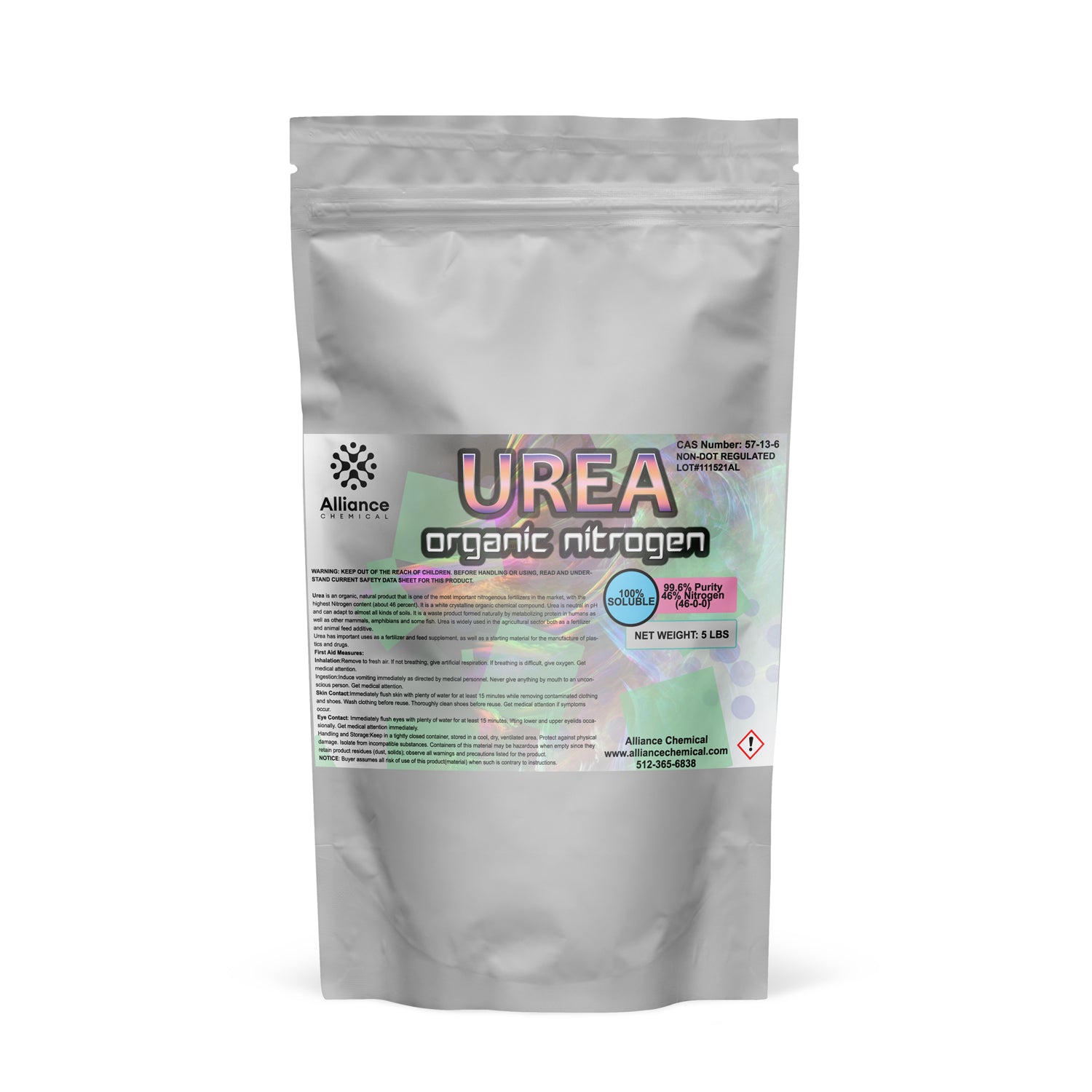
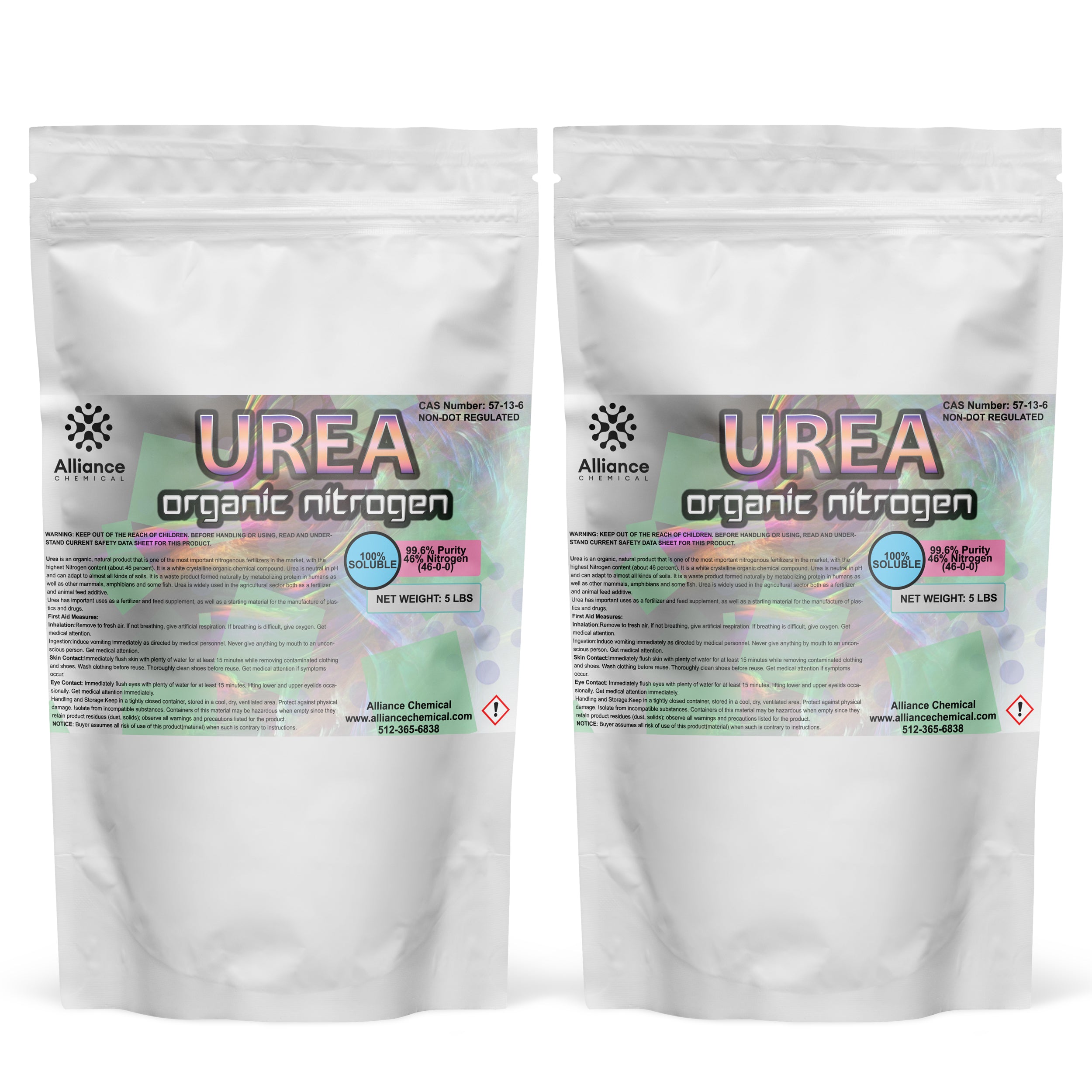
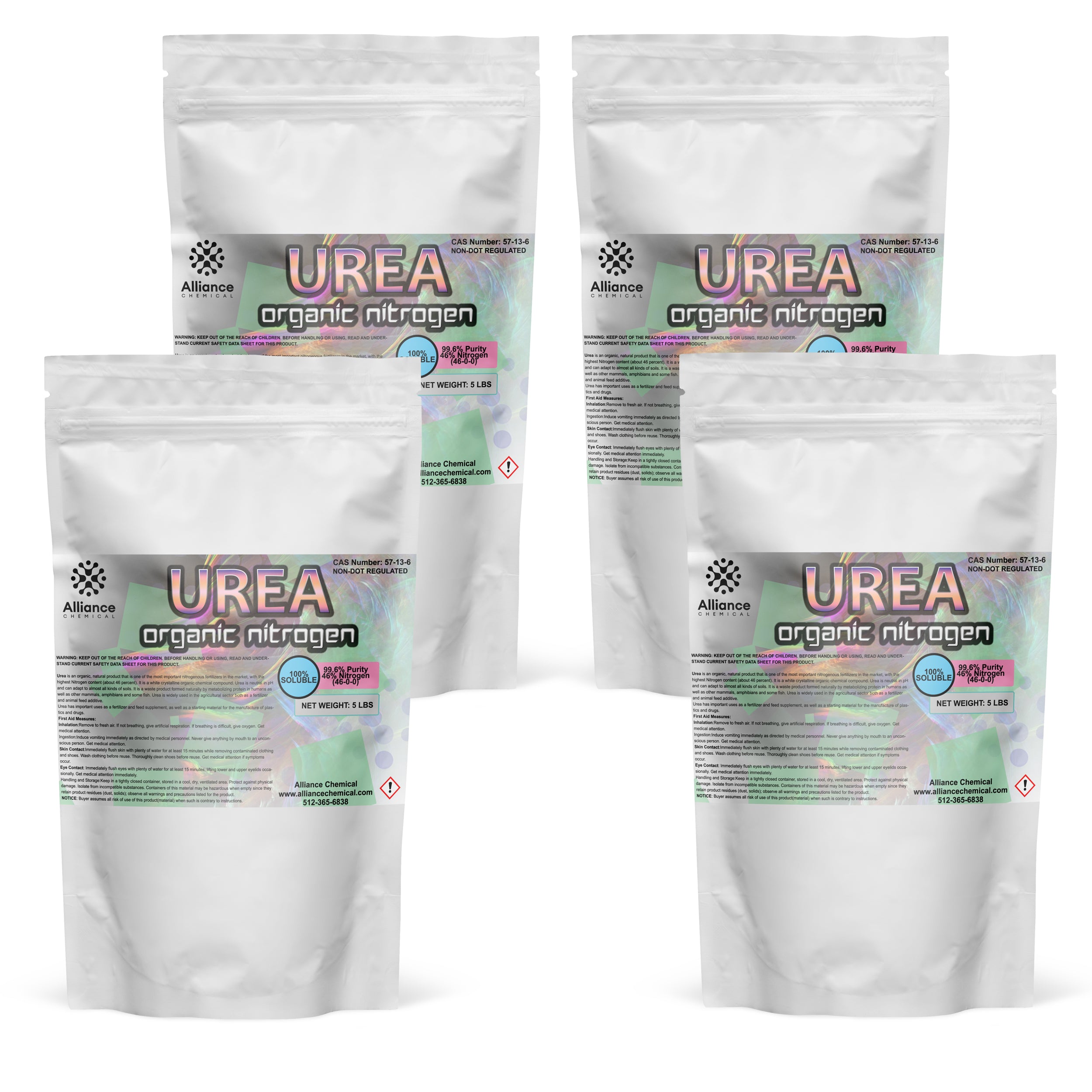
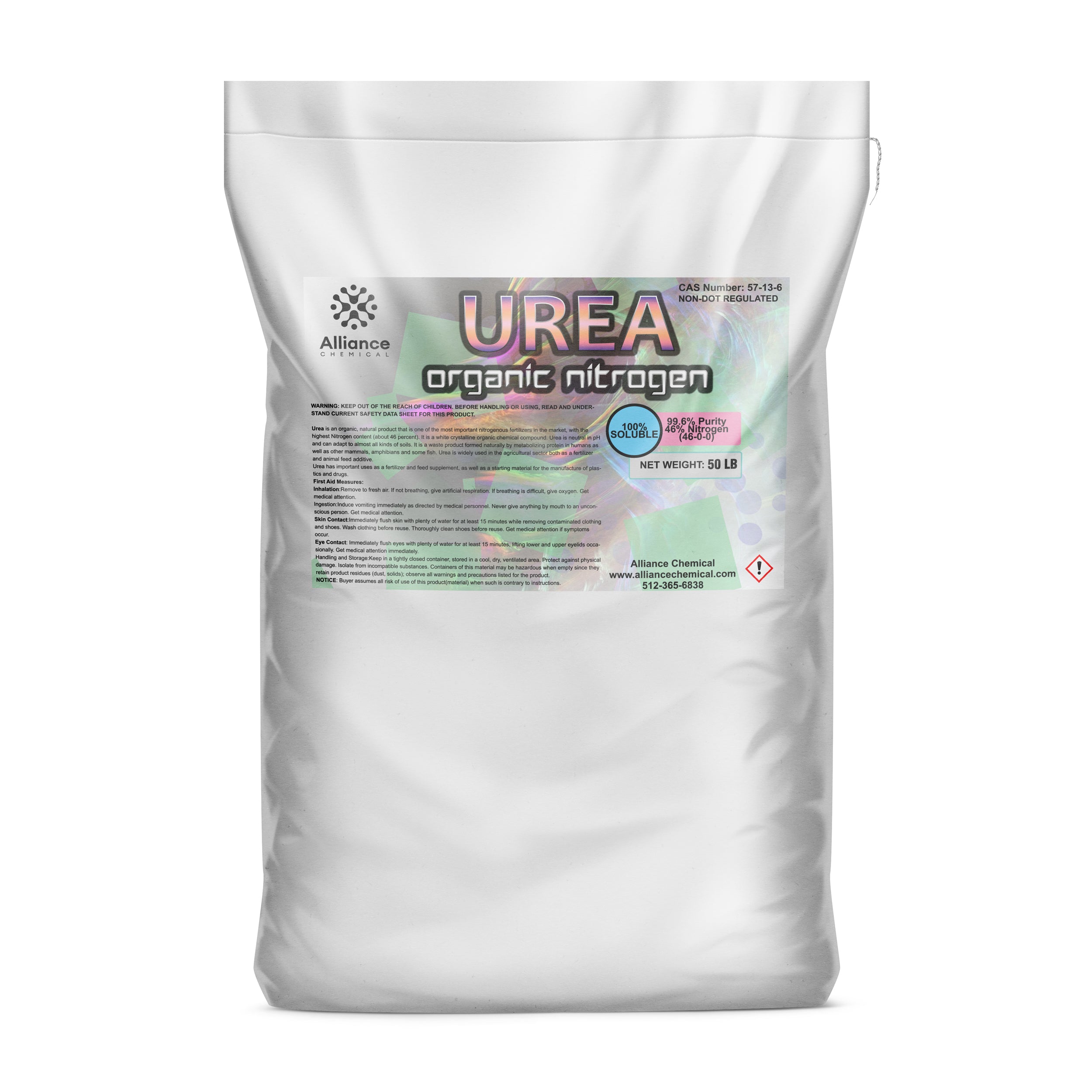
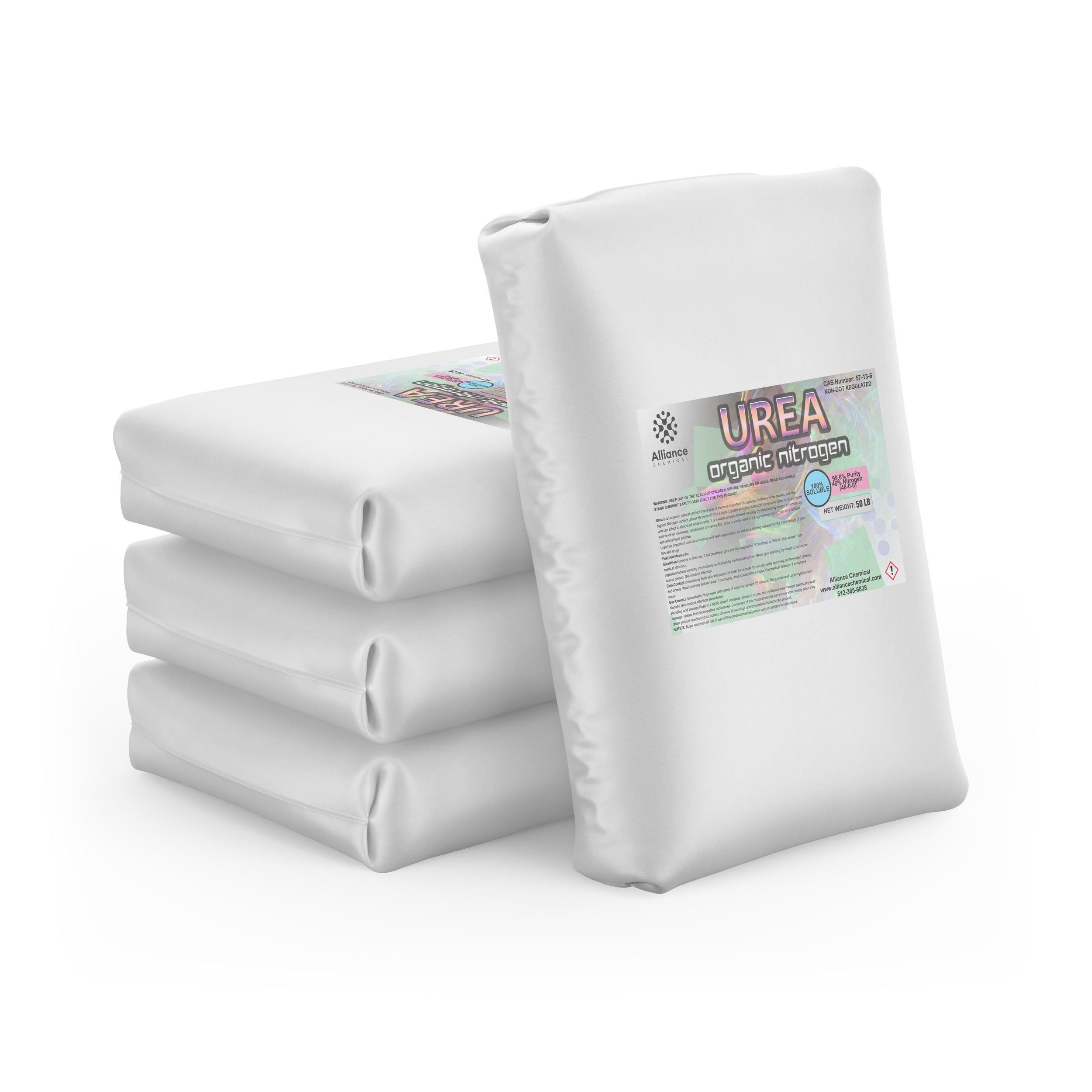
Urea - Organic Nitrogen (CAS 57-13-6), also known as Carbamide, is a high-purity crystalline organic compound utilized as a primary nitrogen source in agricultural and industrial applications. This Technical Grade material exceeds 99.0% assay purity, meeting rigorous standards compatible with ACS Reagent and USP-NF Monograph specifications. It appears as a white, odorless solid with excellent water solubility, designed for precise dosing in formulations.
With a nitrogen content essential for biological and chemical processes, Urea functions as a foundational precursor in the synthesis of resins, plastics, and pharmaceutical intermediates. In agricultural sectors, it serves as a concentrated nitrogen fertilizer and animal feed additive. The product is manufactured with strict control over trace metals and moisture content, ensuring consistent solubility and stability during storage and processing. Its molecular weight of 60.06 g/mol and density of 1.335 g/mL allow for predictable handling in bulk industrial workflows.
Urea is generally considered stable but should be stored in a cool, dry area to prevent caking due to moisture absorption. Use High-Density Polyethylene (HDPE) or glass containers. Isolate from strong oxidizers, nitrites, and inorganic chlorides.
While not classified as a hazardous shipping material, standard industrial hygiene practices apply. Wear protective gloves, safety goggles, and ensure adequate ventilation to avoid dust inhalation. In the event of a spill, sweep up the solid to prevent slippery surfaces and dispose of in accordance with local regulations. Refer to the Safety Data Sheet (SDS) for detailed handling instructions.
High Assay Purity – Typically 99.8% purity allows for use in sensitive chemical reactions and high-grade formulations.
Versatile Nitrogen Source – Efficient delivery of nitrogen for both biological growth (agriculture) and synthetic pathways (resins).
Controlled Impurities – Strict limits on heavy metals and ash ensure compatibility with ACS Reagent grade requirements.
Reliable Supply Chain – Available in 5 lb to 50 lb sizes to support both laboratory research and bulk production.
| Property | Value |
|---|---|
| Molecular Weight | 60.06 g/mol g/mol |
| Formula | CH4N2O |
| Assay | 40%% |
| Grade | Technical |
| Flash Point | >200°C |
| Form | Pellets |
| Solubility | High water solubility, moderate alcohol solubility |
| Appearance | White crystalline pellets |
| Melting Point | 133°C °C |
| Boiling Point | 132°C °C |
| Specific Gravity | 1.32 |
| Industry | Industrial, Agricultural, Research, Wastewater |
5G-X3G4-IIBY
| Price |
|---|
| SKU |
| Rating |
| Discount |
| Vendor |
| Tags |
| Weight |
| Stock |
| Short Description |
Quick and easy COA request for your Alliance Chemical products
We'll email your Certificate(s) of Analysis within 1-2 business days.
Find and download the SDS for your products.
